What visual cues help real foodies discover hidden, authentic food adventure spots?

Beyond the Guidebook: The Art of Spotting Authentic Eats
For the true foodie, a memorable meal isn’t found on a glossy brochure or a sponsored list, but in the heart of local life, often tucked away from the main tourist arteries. It’s an adventure in itself to unearth these culinary treasures, and seasoned explorers rely on a keen eye for visual cues that whisper tales of authenticity and exceptional flavor.
Forget the flashy signs and polished facades; real food adventures are often hinted at by more subtle, yet powerful, visual signals. Learning to read these signs is the secret handshake into a world of genuine tastes and unforgettable experiences.
The Tell-Tale Sign of Local Patronage
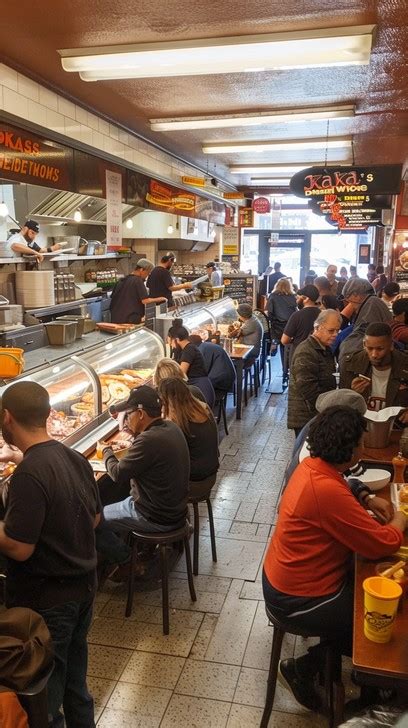
Perhaps the most reliable indicator of an authentic food spot is its clientele. A restaurant packed with locals during peak hours, particularly if it’s not a known tourist draw, is a golden beacon. Observe the demographics: are families dining together? Are workers from nearby businesses grabbing a quick bite? Long lines forming outside an unassuming establishment, especially if those waiting are speaking the local tongue, are almost always a promise of something special.
Locals don’t just eat anywhere; they seek out quality, value, and tradition. Their collective presence is a vote of confidence that speaks louder than any advertising campaign. This visual cue suggests a place is deeply integrated into the community’s daily rhythm, serving dishes that resonate with their palate and heritage.
Unassuming Exteriors and Humble Aesthetics
Authentic spots often forgo elaborate decor and pristine storefronts in favor of focusing resources on what truly matters: the food. Look for establishments with simple, sometimes even worn, exteriors. Hand-painted signs, faded awnings, or a utilitarian entrance can often be indicators of a place that has been around for generations, valuing tradition over trend.
Beware of places that seem overly polished, sterile, or have aggressive touts outside – these are often geared towards capturing tourist dollars rather than delivering a genuine culinary experience. A humble appearance often signifies a deep confidence in their cuisine, letting the food speak for itself.

The Visual Language of the Menu and Ingredients
Once inside, the menu itself offers crucial visual clues. A short, focused menu, particularly one that changes daily or seasonally, suggests a commitment to fresh ingredients and specialized dishes rather than a vast, generic offering. Look for dishes named simply, perhaps in the local language without overly descriptive English translations, which indicates an expectation that patrons know what they’re ordering because it’s a staple.
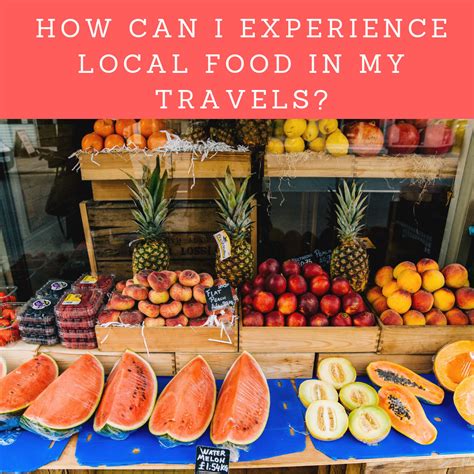
Furthermore, observe the ingredients. Are fresh produce, meats, or seafood visibly displayed? Do you see chefs working with raw materials that look vibrant and of high quality? In some cultures, visible displays of ingredients are common, signalling freshness and transparency.

Peeking into the Kitchen and the People Behind the Food
If possible, a glimpse into the kitchen or food preparation area can be highly revealing. An open kitchen, or even just a counter where food is being assembled, allows you to witness the process firsthand. Look for clean, organized workspaces and cooks who appear focused and passionate.
Beyond the kitchen, observe the staff and proprietors. Is there a family presence, perhaps an older generation working alongside younger members? This often points to recipes passed down through generations, preserving authentic flavors and techniques. The pride taken in their craft is often palpable.

The Overall Vibe: Sensory Clues Beyond Sight
While primarily about visual cues, the overall atmosphere also plays a role in confirming authenticity. Is there a general buzz of conversation and contented eating? The aroma of spices and cooking food should be inviting and unique. Even the presentation of food, which might be rustic rather than refined, can signal a focus on substance over style.
Lastly, pay attention to subtle details: traditional serving ware, unique local condiments on the table, or the specific way a dish is eaten by locals. These small observations collectively paint a picture of a place rooted in its culinary identity.

Trusting Your Instincts for the Ultimate Food Adventure
Discovering hidden, authentic food adventure spots is an exhilarating hunt. It requires developing an astute eye and an open mind. By learning to interpret these visual cues – from the bustling local crowd and unassuming facade to the focused menu and the passion of the people – you unlock a deeper level of culinary exploration. So next time you’re on the hunt for a truly memorable meal, put down the guidebook, look closely, and let your instincts guide you to the authentic flavors waiting to be discovered.