What visual cues help real foodies discover truly authentic local eats?

Beyond the Tourist Traps: The Art of Seeing Authentic Food
Finding truly authentic local food is often the holy grail for any passionate foodie exploring a new destination. While glossy brochures and online recommendations might point you to popular spots, often the most genuine culinary experiences lie hidden in plain sight, revealed only to those who know what visual cues to look for.
The Local Litmus Test: Who’s Eating There?
Perhaps the most reliable visual indicator of authenticity is the clientele. If a place is packed primarily with locals – families, workers on their lunch break, or friends chatting in the local dialect – you’re likely onto something good. Tourists are easily spotted, but a venue thriving on repeat local business is almost always a sign of quality, tradition, and true local flavor. Observe the demographics and the interactions; a bustling, lively atmosphere filled with native speakers is a powerful green light.

Unpretentious Exteriors and Worn-Out Charm
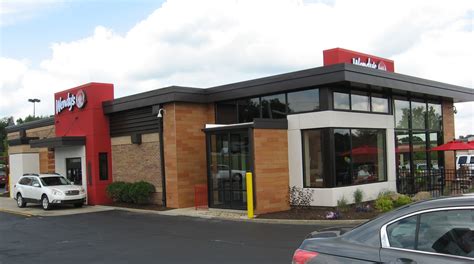
Often, the best local eateries are not flashy. Forget pristine facades or slick, modern branding. Authentic spots frequently sport an unpretentious, even slightly worn exterior. Peeling paint, faded signage, or a general lack of overt ‘tourist appeal’ can paradoxically be a good sign. Look for places that seem to prioritize substance over style. A simple, functional setup, perhaps with plastic chairs and tables, is more common for local gems than lavish décor. Don’t be deterred by a modest appearance; it often signifies a focus on the food itself.
Decoding the Menu: Simplicity, Specialization, and Language
A lengthy, multi-cuisine menu translated into five languages is usually a red flag. Authentic local eateries often have concise menus, sometimes handwritten, featuring dishes specific to the region. Look for menus with limited choices, indicating specialization and mastery of a few dishes. A menu primarily in the local language, perhaps with a few clumsy English translations, is a positive sign. Even better are daily specials posted on a whiteboard, reflecting seasonal ingredients and the chef’s fresh offerings.

Visible Freshness and Traditional Techniques
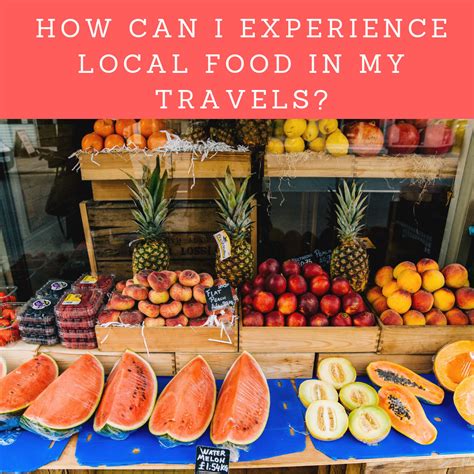
Pay attention to the ingredients. Can you see fresh produce being delivered or prepared? Is there an open kitchen or a visible cooking area where traditional techniques are on display? In many cultures, street food vendors cook right in front of you, a clear sign of freshness and often, time-honored methods. Look for vibrant colors in vegetables, fresh cuts of meat or seafood on display, and the aroma of food cooking, rather than just reheating.

Beyond Food: The Holistic Local Experience
Beyond the plate, the overall ambiance tells a story. Look for practical, sturdy utensils, perhaps not matching, rather than fine dining sets. Notice the background music – is it local or generic international pop? Are there local newspapers or magazines available? Even small details, like the type of condiments on the table or the way food is served, can offer clues about a place’s commitment to local traditions rather than catering to a generalized tourist palate. The most authentic spots often have a lived-in feel, reflecting years of serving the community.

Ultimately, discovering truly authentic local eats is a delightful game of observation and intuition. By sharpening your eye for these visual cues – the local crowds, the unpretentious settings, the specialized menus, and the visible commitment to fresh, traditional preparation – you’ll unlock a world of genuine culinary treasures that many tourists sadly overlook. So, next time you’re exploring, look beyond the shiny facades and trust your foodie instincts; the best meals are often found where the locals eat.