What visual cues help Real Foodies find truly authentic local eats on new adventures?
Decoding Authenticity: The Visual Language of Local Eateries
For the true Real Foodie, travel isn’t just about seeing new sights; it’s an immersive culinary adventure. But in a world often saturated with tourist traps and generic menus, how do you sniff out the genuine local flavors? The answer often lies in visual cues – subtle yet powerful indicators that guide the discerning palate to truly authentic eats. These aren’t just random observations; they are a sophisticated language spoken by the best local establishments, waiting to be understood.
Learning to ‘read’ a new place through its food scene is an art. It requires observation, intuition, and a keen eye for details that many overlook. From the bustling market stall to the quiet backstreet diner, authenticity leaves a trail of visual breadcrumbs.
The Clientele: Who’s Eating Here?
One of the most immediate and reliable visual cues is the demographic of the diners. A place packed with locals, especially during peak meal times, is almost always a good sign. Look for families, workers on their lunch break, or groups speaking the local language animatedly. If you see very few tourists, or no one speaking English unless addressing you, you’re likely onto something good. Contrast this with establishments primarily filled with fellow travelers, often a red flag for inflated prices and watered-down flavors.
Observing how people interact with the food and staff can also be telling. A sense of familiarity, ease, and comfort among the patrons often signifies a beloved neighborhood spot rather than a fleeting attraction.
The Setting and Ambiance: Beyond the Facade
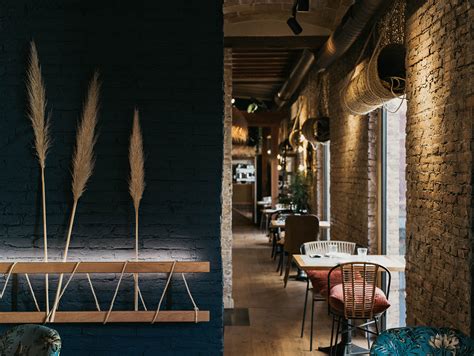
Authenticity rarely screams for attention with flashy signs or polished exteriors. Instead, look for humble, perhaps even slightly worn, facades. A well-loved establishment often shows signs of age and extensive use, which speaks volumes about its longevity and consistent quality. Avoid places with multi-language menus prominently displayed outside, particularly those with glossy pictures of generic food – these are often tailored for quick tourist turnover.
Pay attention to the kitchen. If it’s visible, is it bustling with activity, or do things look pre-made and sterile? The presence of a tandoor oven, a wood-fired grill, or fresh dough being kneaded might indicate dedication to traditional cooking methods. Simple, functional decor often trumps overly themed or ‘traditional’ ornamentation designed purely for tourist appeal.
The Menu: Simplicity, Freshness, and Language
A truly authentic local menu is often short, focused, and predominantly in the local language (perhaps with a small, discreet English translation if they cater to some international visitors). Lengthy, multi-page menus with dishes from every corner of the world can indicate a lack of specialization and authenticity. Look for handwritten specials boards or a menu that changes daily based on seasonal availability.
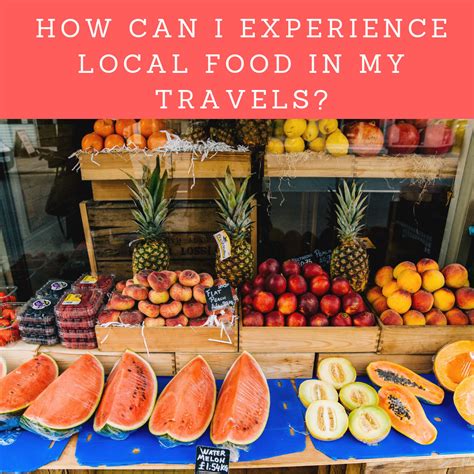
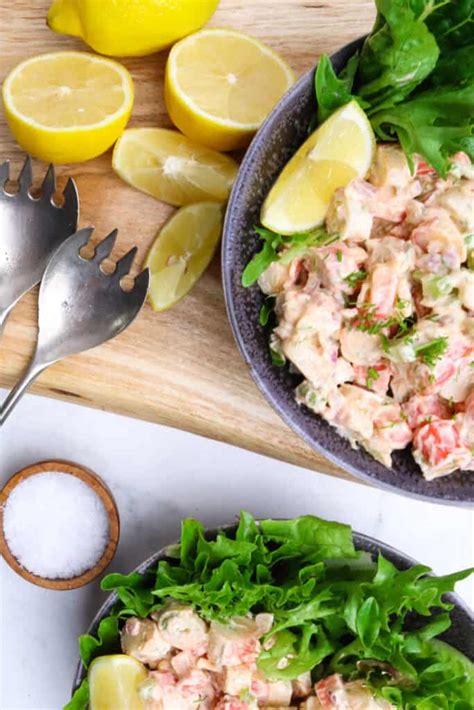
Visually, if you can see fresh ingredients displayed – a vibrant array of vegetables, freshly caught seafood on ice, or cuts of meat – it’s a strong indicator of quality and freshness. The presentation of the food itself should also be observed. Authentic dishes often prioritize flavor and substance over overly styled, ‘instagrammable’ aesthetics.
Little Details and Sensory Overlaps
Sometimes, it’s the tiny details that speak loudest. Are there local newspapers on tables? Are the condiments on the table specific to the region? Do the staff seem like they are genuinely part of the community, not just hired help for a tourist front? Even the sounds and smells contribute to the visual assessment – the sizzle of a wok, the aroma of spices being ground, or the clatter of busy kitchens can all visually guide you to the source of deliciousness.
Awards or recommendations should also be scrutinized. Is it a mention in a local food guide or newspaper, or a sticker from an international travel site? Local recognition often carries more weight for authenticity than broad tourist accolades.

Mastering the Art of Discovery
By honing your ability to recognize these visual cues, you elevate your travel experience from mere sightseeing to genuine cultural immersion. The thrill of discovering that hole-in-the-wall eatery, guided solely by instinct and observation, is a reward in itself. It’s about trusting your eyes, listening to the environment, and embracing the adventure of finding truly authentic local eats that will become the most memorable parts of your journey. So next time you’re in a new place, pause, look around, and let the visual language of food guide your way to an unforgettable culinary experience.