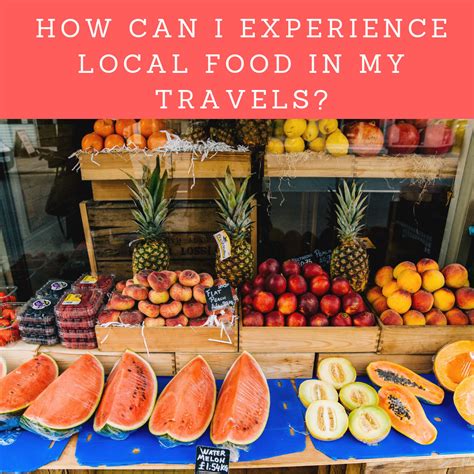
What visual cues help real foodies spot authentic local eateries abroad?

The Quest for Culinary Authenticity Abroad
For the true food enthusiast, traveling isn’t just about seeing sights; it’s a gastronomic journey, a quest to uncover the soul of a destination through its flavors. But how do you sift through the tourist traps and find those hidden gems where locals truly dine? It’s all in the visual cues – subtle yet powerful signals that point towards an authentic culinary experience.

Where the Locals Eat: The Ultimate Indicator
Perhaps the most telling sign of an authentic eatery is its clientele. If a restaurant is bustling with locals, especially during peak dining hours, you’re likely onto something good. Observe their interactions, their comfort, and their ease – these aren’t just customers; they’re regulars. Conversely, a place filled exclusively with tourists, especially those with menus translated into half a dozen languages and prominent ‘Tourist Menu’ signs, is usually a red flag. Look for queues forming outside; locals don’t queue for bad food.
Simplicity Over Spectacle: The Menu Tells a Story
Authentic local spots often have concise, focused menus. They specialize in a few dishes, perfected over generations, rather than offering a sprawling, international selection. A small menu often signifies fresh ingredients and a deep understanding of specific regional cuisine. Be wary of laminated, glossy menus with endless options and generic food photos. Instead, look for handwritten specials, daily changing dishes, or even a menu that’s only in the local language – a strong hint that they cater to a local palate.
Atmosphere and Ambiance: Functional Charm
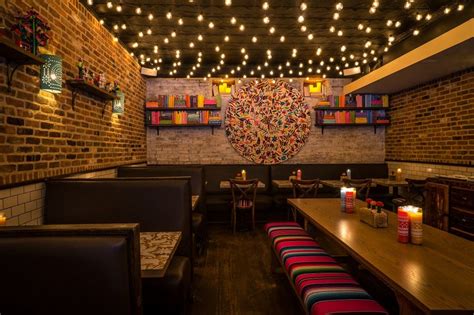
Forget lavish decor or white tablecloths. Authentic local eateries often exude a ‘lived-in’ charm. The furniture might be mismatched, the paint slightly peeling, or the lighting simple. This isn’t a sign of neglect, but rather an indication that the focus is entirely on the food and the dining experience, not a manufactured aesthetic. Listen to the buzz – the clatter of plates, lively conversations, and the general hum of a busy, unpretentious space. The smell of cooking spices and fresh ingredients wafting from the kitchen is also a powerful attractant.
The Visuals of Preparation: Open Kitchens and Freshness
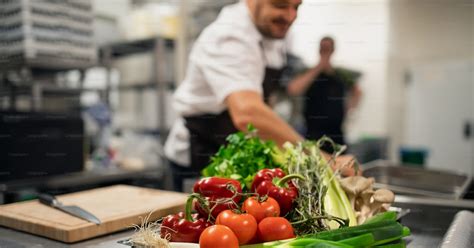
Many traditional eateries, especially street food stalls or smaller restaurants, offer a glimpse into their kitchen or preparation area. Seeing fresh ingredients being chopped, dough being kneaded, or dishes cooked right in front of you is a massive green light. It speaks volumes about transparency and freshness. Are the vegetables vibrant? Is the meat handled hygienically? Observing the chefs and cooks at work provides confidence in both the quality and authenticity of the food you’re about to enjoy.
Pricing and Presentation: Value Over Vanity
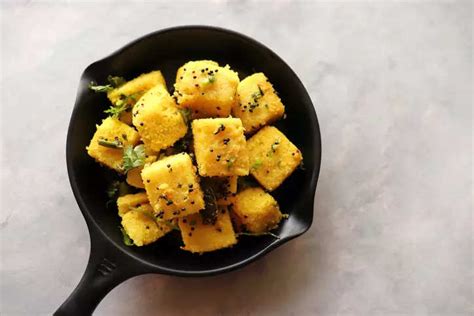
Authentic local spots generally offer excellent value for money. Their prices are usually lower than those in tourist-centric areas, reflecting local income levels and the absence of a ‘tourist premium.’ While presentation is important, it’s often more rustic and straightforward. The emphasis is on hearty portions and robust flavors, not elaborate garnishes or avant-garde plating. A humble dish served with pride and a focus on taste rather than Instagram-worthiness is often a sign of true authenticity.

Conclusion: Trust Your Senses, Follow Your Gut
Ultimately, spotting authentic local eateries abroad is an art refined by observation and experience. Beyond these visual cues, don’t underestimate your gut feeling. Wander off the main thoroughfares, explore side streets, and be open to venturing into places that might not immediately scream ‘fancy.’ Trust the universal language of good food, and you’ll unlock unforgettable culinary adventures that truly capture the essence of your destination.