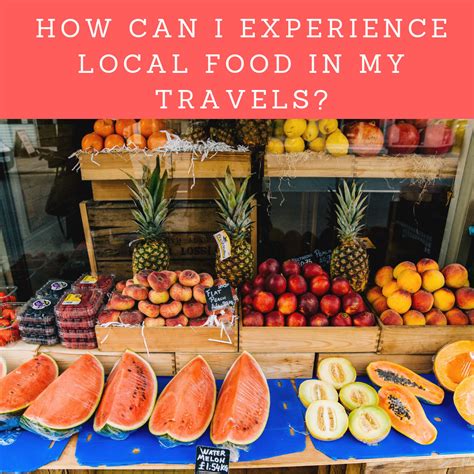
What visual cues help real foodies spot authentic local eats abroad?
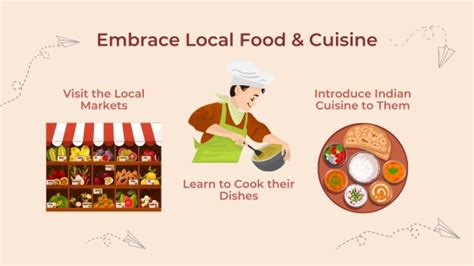
Beyond the Tourist Traps: The Art of Spotting Authentic Local Cuisine
For the true food adventurer, traveling isn’t just about seeing sights; it’s about tasting cultures. But in a world awash with tourist-trap restaurants boasting multi-lingual menus and inflated prices, how do discerning foodies cut through the noise to find the truly authentic local eats? It’s an art form, a subtle dance of observation, and it all starts with visual cues.
Where the Locals Eat: The Power of the Crowd
Perhaps the most obvious, yet often overlooked, indicator is the clientele itself. If a restaurant is packed with locals – especially during peak dining hours – you’re likely onto a winner. Observe their demographics: are they families, friends, workers on their lunch break? A diverse local crowd suggests broad appeal and genuine quality. Conversely, a place primarily filled with other tourists, especially if they look lost or are constantly consulting guidebooks, is a red flag. Also, look for queues! A line forming outside, even for a humble street vendor, is a powerful testament to deliciousness.
The Aesthetic of Authenticity: Simplicity Reigns Supreme
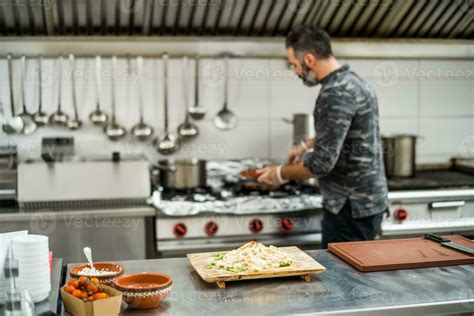
Authentic local eateries often prioritize substance over style. Forget glossy menus, polished chrome, and fancy tablecloths. Instead, look for well-worn tables, functional seating, and perhaps a chaotic but charming atmosphere. Hand-written menus (especially if they’re in the local language with no English translation) can be a strong sign, indicating a focus on daily specials and fresh ingredients rather than a static, tourist-friendly offering. An open kitchen, or one visible from the street, allowing you to see the cooking process, also speaks volumes about transparency and pride in their craft.

The Menu Tells a Story: Focus on Freshness and Specialization
A vast, multi-page menu trying to cater to every conceivable taste is usually a sign of mediocrity. Authentic local spots often have concise menus, sometimes featuring only a handful of dishes. This specialization suggests mastery over those particular items. Look for dishes that highlight seasonal ingredients or regional specialties that you won’t find anywhere else. If they’re serving only a few things, they’re likely doing them exceptionally well. Also, don’t be afraid if the menu is entirely in the local language – that’s a good sign! Pointing or using a translation app can lead to some of the best discoveries.
The Sights, Sounds, and Smells of True Flavor
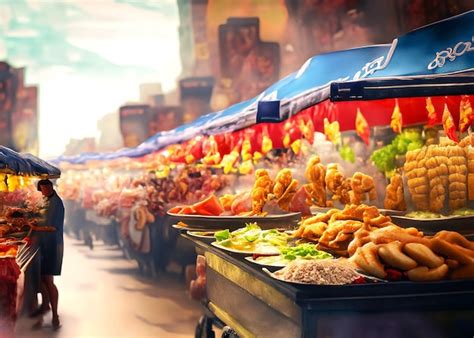
Engage all your senses. What does the food itself look like? Is it vibrant, fresh, and appealing? Even simple dishes should look lovingly prepared. Listen for the sizzle of woks, the clatter of pans, and the lively chatter of satisfied diners. The aroma emanating from a street food stall or a small restaurant can be an irresistible siren call, often signaling genuinely flavorful cooking. Be wary of places with aggressive touts trying to drag you in; truly great food doesn’t need to be sold so hard. The food itself should be the advertisement.
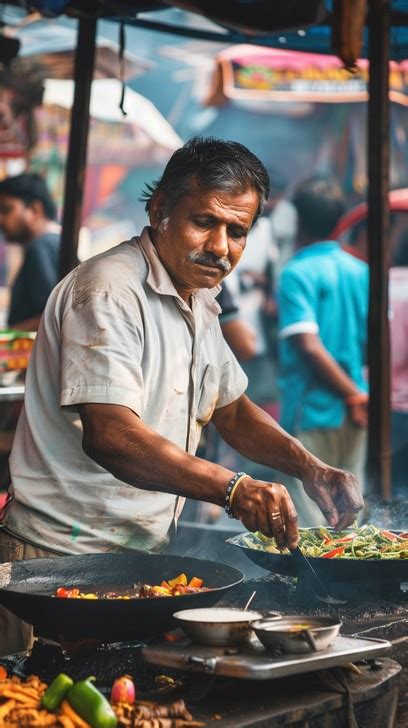
Another subtle visual cue is the presence of food preparation occurring right in front of you. Whether it’s noodles being pulled, fresh pasta being made, or bread being baked in a visible oven, seeing the craft unfold adds immensely to the authenticity and appeal. Local eateries often take pride in displaying their fresh produce or cuts of meat, allowing customers to see the quality of the raw ingredients before they are cooked.
Beyond the Plate: The Vibe and the Vessels
Pay attention to the smaller details. Are the serving dishes traditional or generic? Sometimes, the simple, traditional bowls, plates, or even banana leaves used for serving can add to the authenticity. Observe how the food is eaten by the locals. Are they sharing? Using specific utensils or their hands? Mimicking these customs can enhance your experience. The overall “vibe” is crucial too: a place that feels lived-in, loved, and deeply integrated into the local community is often a goldmine for genuine culinary experiences.

Conclusion: Trust Your Senses and Embrace the Adventure
Spotting authentic local eats abroad is less about a checklist and more about developing an intuitive sense. It’s about looking beyond the flashy signs and trusting your observations of local behavior, simple aesthetics, focused menus, and the undeniable draw of genuinely good food being cooked with passion. So, next time you’re exploring a new destination, take a moment to pause, look around, and let your foodie instincts guide you to an unforgettable culinary adventure.