What visual cues help real foodies spot authentic local eats on adventures?

For the true food enthusiast, travel isn’t just about seeing new places; it’s about tasting them. But navigating an unfamiliar culinary landscape can be daunting. How do you distinguish between a genuine local gem and a tourist trap? Real foodies develop a keen eye for visual cues that whisper, or sometimes shout, ‘authentic!’
The Unspoken Language of Local Eateries
Before even tasting a dish, a wealth of information can be gleaned just by observing a dining spot. It’s an art form, a silent conversation between the discerning foodie and the local environment. Learning this language allows you to bypass the generic and dive straight into the heart of a region’s gastronomic soul.
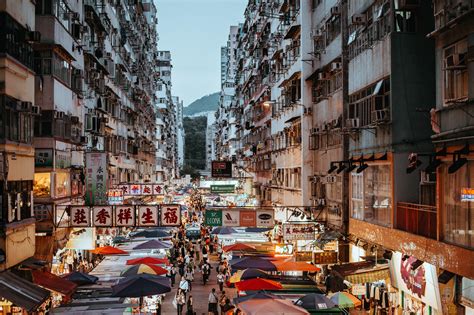
From bustling street food stalls to unassuming hole-in-the-wall restaurants, the visual story unfolds. It’s about more than just a signboard; it’s about the entire ambiance, the clientele, the menu presentation, and even the ingredients on display.
Tell-Tale Signs: What to Look For
The Crowd: Locals Know Best
The most powerful visual cue is often the simplest: who is eating there? A restaurant packed with locals during peak hours is almost always a good sign. If you see families, workers on their lunch break, or groups of friends chatting animatedly in the local tongue, you’re likely in the right place. Tourists are often a red flag unless they are outnumbered significantly by natives.
Observe the flow: do people linger, or is it a quick turnover? A steady stream of repeat customers implies satisfaction and value. This visual social proof is invaluable for an adventurous eater.
The Menu: Simplicity and Specificity
Beware of menus that are too long, feature glossy photos of every dish, or offer a mishmash of international cuisines. Authentic local eateries often have shorter, more focused menus specializing in a few dishes done exceptionally well. Look for handwritten menus, daily specials, or a lack of English translation (though this isn’t always a deal-breaker).
Specific dishes unique to the region or season are also great indicators. If the menu prominently features ‘authentic traditional {local dish name}’, it’s a good sign. Generic ‘pasta’ or ‘chicken’ on a menu in a non-Italian or non-Western country, for example, is usually a warning.
The Setting: Unpretentious Authenticity
While sparkling clean and modern establishments have their place, many authentic local eats thrive in more humble, unpretentious settings. Look for signs of wear and tear, mismatched furniture, or a slightly chaotic yet efficient atmosphere. Peeling paint or simple plastic chairs can often be a badge of honor, signaling a focus on food quality over aesthetics.
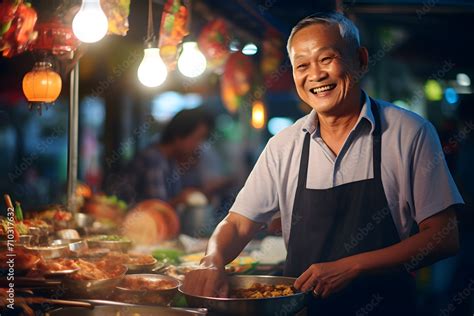
Street food vendors, often operating from carts or small permanent setups, embody this ethos. The visual spectacle of the preparation, the aroma, and the quick, efficient service are all part of the experience.
The Ingredients: Freshness and Local Sourcing
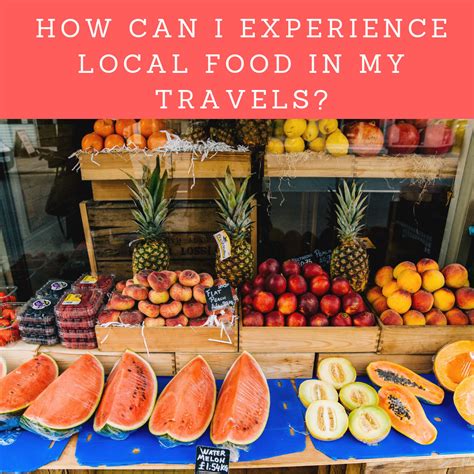
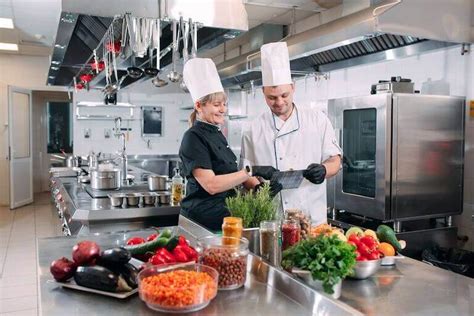
Many authentic local spots prioritize fresh, seasonal ingredients. Visually, this can manifest in various ways: a display of fresh seafood on ice, vibrant vegetables stacked high, or meat hanging to cure. If you can see into the kitchen (common in street food and some smaller restaurants), observe the quality and freshness of the raw ingredients being handled.
A visible connection to local markets or purveyors also speaks volumes. Seeing produce delivered or prepared from scratch rather than pre-packaged goods suggests a commitment to quality and tradition.
The Preparation: Open Kitchens and Traditional Methods
An open kitchen or a visible cooking area is a fantastic visual cue. Watching chefs prepare dishes with practiced ease, using traditional tools and techniques, is a strong indicator of authenticity. Think of a pizza oven roaring in Italy, a wok blazing in a Chinese noodle shop, or a grill master expertly flipping skewers in a Middle Eastern eatery.
The sounds and smells of cooking are also powerful, even if not strictly visual. Bubbling pots, sizzling pans, and the rich aromas wafting through the air are often inseparable from the visual experience of true local cooking.
Beyond Sight: Trusting Your Gut (and Nose)
While visual cues are paramount, the truly seasoned foodie integrates them with other sensory inputs. The tantalizing aroma of spices, the rhythmic chopping from a kitchen, or the enthusiastic chatter of diners all contribute to the overall picture. Trust your intuition; if a place feels right, it often is.
Ultimately, spotting authentic local eats on your adventures is a blend of observation, experience, and a willingness to step off the beaten path. By honing your visual detection skills, you’ll unlock a world of genuine flavors and unforgettable culinary memories.