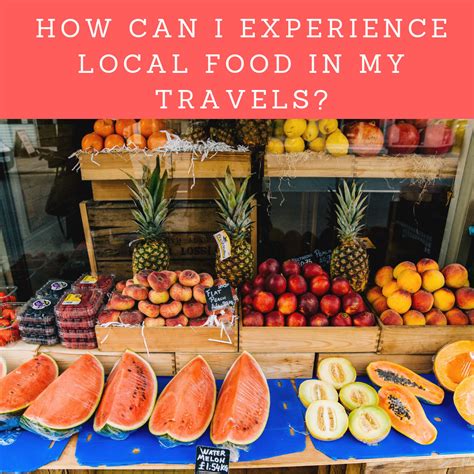
What visual cues help real foodies spot authentic local food adventures?

For the true gastronome, the quest for authentic local food is an adventure in itself. Beyond glowing online reviews or slick marketing, real foodies possess an almost innate ability to sniff out hidden culinary gems. But how do they do it? Often, it’s not just about smell or taste, but a keen eye for visual cues that whisper tales of tradition, quality, and genuine local flavor.
The Buzz of Local Patrons
One of the most telling visual indicators is the crowd. A restaurant or stall packed with locals, especially during off-peak tourist hours, is often a strong sign of authenticity. Look for intergenerational families, uniformed workers on their lunch break, or groups of friends animatedly chatting in the local tongue. Tourists are fine, but a critical mass of locals suggests that the food meets the high standards of those who eat it daily. The sight of long queues, even for a humble street food vendor, can be another excellent sign.
No-Frills Authenticity: The Setting
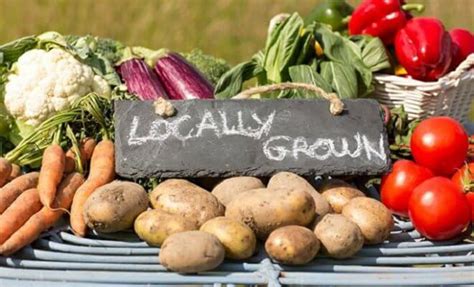
Authentic local eateries often prioritize substance over style. Visually, this translates to an unpretentious, sometimes even spartan, setting. Think worn tables, simple plastic chairs, faded signage, or a bustling open-air market stall. While cleanliness is important, polished decor and trendy aesthetics are often red flags for places catering primarily to an international palate. The visual cue here is a place that looks like it’s been serving the community for decades, with character earned through consistent service rather than an interior designer.
The Food’s Visual Appeal: Freshness and Simplicity
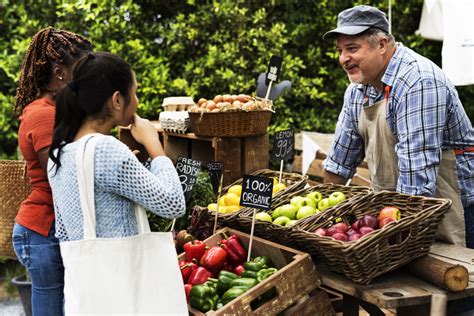
When you peer into a kitchen or at a display, what do you see? Fresh, vibrant ingredients are paramount. Piles of freshly chopped herbs, glistening vegetables, and raw proteins displayed transparently indicate care and quality. The dishes themselves often appear rustic and unadorned, showcasing the natural beauty of the food rather than complex garnishes. A menu that isn’t excessively long, perhaps handwritten or displayed on a simple board, often points to a focus on a few well-mastered dishes, a hallmark of true local specialists.
The Art of Preparation and Interaction
Many authentic local food experiences involve an element of visual theater. Watching your food being prepared, especially in an open kitchen or at a street food cart, builds trust and excitement. Observe the vendor’s movements: are they efficient, practiced, and passionate? Do they interact naturally with customers, perhaps even offering a taste or a suggestion? These visual cues of mastery and genuine engagement contribute significantly to the perceived authenticity of the experience. The steam rising from a wok, the rhythmic chop of a knife, or the careful layering of ingredients are all visual signals of a culinary craft in action.
Beyond the Plate: Subtle Environmental Clues
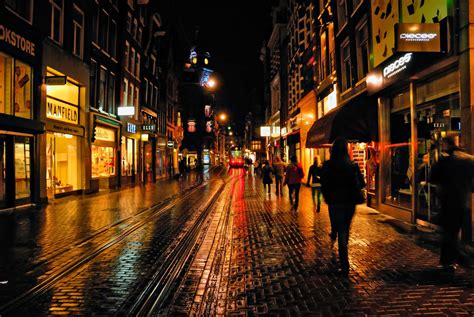
Sometimes, the cues are even more subtle. Is there a local newspaper casually folded on a table? Are there specific condiments or sauces unique to the region that locals are liberally adding to their dishes? Pay attention to how people eat: do they share, do they use their hands, or are there particular rituals involved? Even the surrounding environment – a vibrant local market nearby, a residential street rather than a tourist trap – can offer visual confirmation that you’re far from a tourist-oriented establishment. A vendor who can recommend a specific drink to pair with your dish, or explain the origin of an ingredient, adds another layer of visual and experiential authenticity.
The Verdict: Trust Your Eyes (and Instincts)
Ultimately, spotting authentic local food adventures is about honing your observational skills. It’s about looking beyond the surface-level glamour and understanding the silent language of a food establishment. The presence of locals, the unassuming decor, the freshness of ingredients, the visible passion in preparation, and the subtle environmental nuances all weave together to paint a picture of genuine culinary tradition. By paying attention to these visual cues, real foodies can consistently navigate to the heart of a destination’s gastronomic soul, transforming a simple meal into an unforgettable cultural encounter.