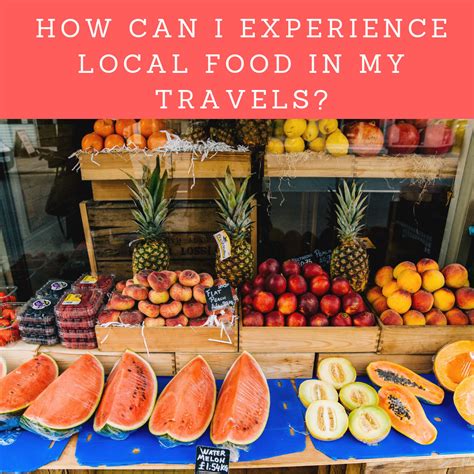
What visual cues help you discover truly hidden food gems?

The Quest for Authenticity: Beyond the Tourist Traps
In a world saturated with highly polished, Instagram-ready dining experiences, the true joy of food discovery often lies in unearthing those unassuming, off-the-beaten-path establishments. These ‘hidden food gems’ rarely advertise heavily, relying instead on word-of-mouth and their sheer quality to draw a loyal following. But for the adventurous eater, how do you spot these diamonds in the rough? It all comes down to a keen observation of visual cues.
The Unassuming Exterior: A Book Not Judged by Its Cover
The first and often most telling cue is the establishment’s exterior. Hidden gems rarely boast flashy signage or modern architecture. Instead, look for a building that might appear a little worn, perhaps even a bit dated, but crucially, it should be immaculately clean. A well-maintained but unpretentious facade often signals a business focused on what happens inside, not on outward appearances. Hand-painted signs, local language prominent, or a menu board with daily specials written in chalk are all good indicators.

If the exterior shows signs of character – perhaps peeling paint or an older sign – but the windows are spotless and the entrance inviting, it suggests a place cared for by its owners. Conversely, overly elaborate or generic chain-like exteriors are usually signals to keep walking if you’re hunting for genuine local flavor.
Local Clientele: The Truest Endorsement
Once you’ve scanned the exterior, observe who’s going in and out, or who’s already seated inside. A restaurant packed with locals – especially during non-peak hours – is a strong visual cue of a beloved spot. Look for families, groups of friends, or local workers on their lunch breaks. If you see more locals than tourists, you’re likely onto something good. Observe their interactions: do they seem like regulars? Are they greeted warmly by staff? This indicates a community hub, which often translates to authentic and consistent quality.
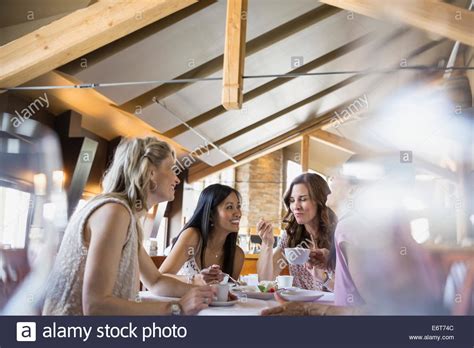
A bustling dining room with a lively atmosphere, even if it’s small or cramped, suggests popularity. Don’t be deterred by a queue forming; often, a line of patient locals is the best possible advertisement for incredible food.
The Menu’s Silent Story: Simplicity and Specialization
Take a moment to glance at the menu, if it’s visible from outside. Hidden gems often feature a shorter, more focused menu rather than an exhaustive list of disparate dishes. Specialization is key. A restaurant that does a few things exceptionally well is usually a better bet than one attempting to offer every cuisine under the sun. Handwritten specials, seasonal offerings, or dishes written exclusively in the local language can also be strong indicators of authenticity and a commitment to fresh, regional ingredients.

Avoid establishments with glossy, laminated menus featuring generic photos of dishes that could be anywhere in the world. Look for signs of homemade items – perhaps a daily baked bread or a specific regional delicacy. A menu that evokes a sense of place and tradition is a good sign.
Kitchen Glimpses and Authentic Tools
If there’s an open kitchen or even a partial view into the preparation area, pay attention. Do you see traditional cooking methods being employed? Are the chefs using specialized tools for a particular cuisine? For example, a tandoor oven for Indian bread, a massive wok for stir-fries, or a pasta machine for fresh Italian pasta are all visual cues that signal dedication to craft. The cleanliness and organization of the kitchen, even if it’s rustic, also speak volumes about the establishment’s standards.

Observing the ingredients being used can also be telling. Fresh, vibrant produce, high-quality meats, or unique local spices are all positive signs. If you see signs of ‘from scratch’ cooking rather than pre-packaged ingredients, you’re likely on the right track.
Beyond the Building: Street Presence and Local Buzz
Sometimes, the cues aren’t just about the restaurant itself. If you’re exploring a bustling market or a lively street, pay attention to clusters of people around food stalls or small carts. A steady stream of customers, engaged conversations, and the visible steam rising from a simmering pot or sizzling grill can all be compelling visual invitations. Observe where local vendors themselves are eating; they often know the best spots.
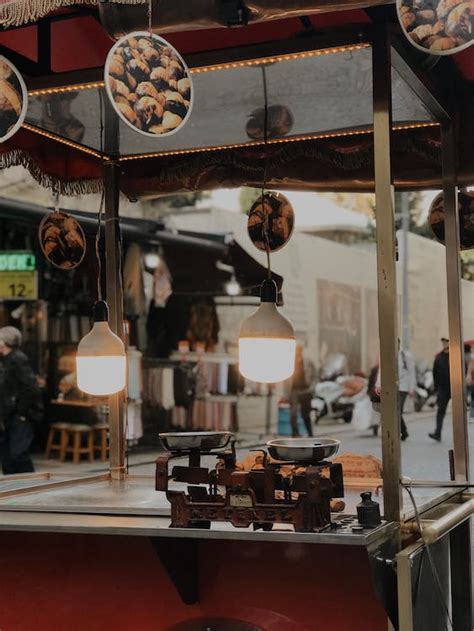
The presence of unique, local ingredients being sold nearby, or even locals carrying take-out boxes from a particular spot, are further visual hints. Trust your instincts and let your eyes guide you to these often-overlooked culinary treasures. The reward for your observational skills is an authentic taste of local culture and truly delicious food.