What visual cues help you spot authentic local food spots for epic photos?

For many travelers, the quest for authentic local food is as crucial as visiting historical landmarks. It’s not just about satisfying hunger; it’s about tasting a culture, experiencing traditions, and creating memories. And for those with a camera in hand, these hidden culinary gems often provide the most captivating subjects for stunning photographs. But how do you sniff out these genuine spots amidst a sea of tourist traps? It all comes down to keen observation and understanding visual cues.
The Allure of Unassuming Exteriors
Often, the most authentic food experiences don’t come with gleaming facades or flashy neon signs. Instead, look for establishments that seem lived-in, perhaps a bit weathered, and possess a certain understated charm. A modest storefront, a hand-painted sign, or even a queue of locals spilling onto the pavement are all strong indicators you’ve found something special.
Pay attention to the general upkeep – a place that prioritizes fresh ingredients and honest cooking might not pour all its resources into elaborate decor. Modest tables, simple chairs, and a bustling, slightly chaotic atmosphere often signal a focus on the food itself rather than an instagrammable aesthetic designed for tourists. This authenticity, ironically, is what makes for the most compelling and real photography.

The Buzz of Local Patrons and Community
One of the most reliable visual cues is the clientele. If a restaurant is packed with locals, especially during off-peak hours for tourists, you’re likely onto a winner. Observe their interactions, their comfort, and their ease. Locals know where the good food is, and they frequent places that offer quality, consistency, and value. Don’t be deterred by language barriers; a busy restaurant full of animated conversation is a universal sign of a beloved spot.
Furthermore, look for signs of community integration. Is the owner chatting with customers? Are there local flyers on display? Does the menu reflect regional specialties, perhaps even changing with the seasons? These elements suggest a place deeply rooted in its surroundings, offering genuine flavors and a true sense of place.
Open Kitchens and Honest Preparation
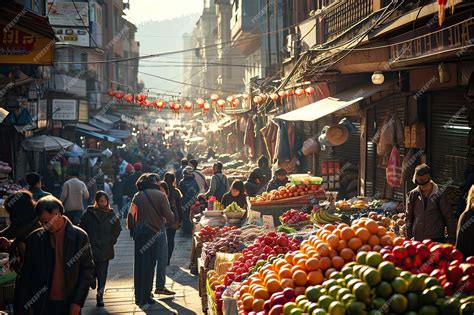
If you can see into the kitchen, or if part of the preparation happens in plain sight, it’s often a good sign. Whether it’s noodles being pulled, tortillas pressed, or skewers grilled over an open flame, visible food preparation speaks to transparency and confidence in their craft. The sight of fresh ingredients being handled with care, the steam rising from simmering pots, or the vibrant colors of produce laid out for selection can instantly tell you about the quality and freshness of the food.
These dynamic scenes also offer incredible photographic opportunities – capturing the action, the textures, and the raw energy of a kitchen brings a unique narrative to your food photos, going beyond just the plated dish. It tells the story of how that delicious meal came to be.

Menus That Tell a Story, Not Just List Dishes
Authentic spots often feature menus that are succinct, focused, and perhaps even handwritten or displayed on a board. A sprawling, laminated menu translated into multiple languages can sometimes be a red flag. Instead, look for menus that highlight a few specialties, often changing daily based on market availability. This suggests a commitment to fresh, seasonal ingredients and a mastery of specific dishes rather than attempting to cater to every possible palate.
The presentation of the food itself, once it arrives, is another cue. While elaborate plating has its place, authentic local food often prioritizes flavor and tradition over avant-garde aesthetics. Expect rustic charm, generous portions, and a focus on the inherent beauty of the ingredients. These are the dishes that look as good as they taste, providing authentic visual narratives for your lens.
Sensory Overload and Unique Ambiance
Beyond what you see, pay attention to what you smell and hear. The rich aroma of spices wafting from a kitchen, the sizzling sound of street food being cooked, or the lively chatter of patrons all contribute to an authentic atmosphere. These sensory cues are powerful indicators of a vibrant, real food scene. The ambiance might be simple, perhaps a bit noisy, but it’s real and full of character – perfect for capturing candid moments and the true spirit of a place.
Finally, trust your gut feeling. Sometimes, a place just feels right. It exudes warmth, passion, and a genuine love for food. These are the spots that not only offer incredible meals but also provide an immersive cultural experience and stunning, authentic visuals that will make your photos truly epic.