What visual cues indicate perfect doneness for veggies & proteins?

Mastering Doneness: The Art of Visual Cues
Achieving the perfect doneness for your vegetables and proteins is a hallmark of skilled cooking. While thermometers and timers are valuable tools, developing an eye for visual cues is an even more intuitive and essential skill. Learning to interpret these subtle signs can elevate your cooking, ensuring every bite is tender, juicy, and full of flavor. Let’s delve into the specific visual indicators that signal when your ingredients have reached their peak.
Visual Cues for Perfectly Cooked Vegetables
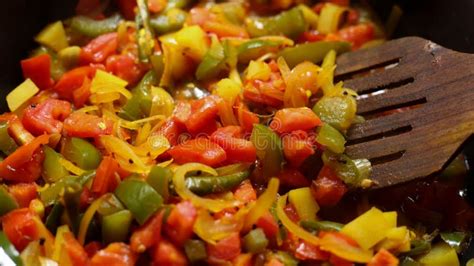
Vegetables often offer a vibrant array of visual changes as they cook, signaling their readiness. The goal is typically tender-crisp, retaining some bite and their natural color, without becoming mushy or dull.
Green Vegetables (Broccoli, Asparagus, Green Beans)
- Brightening: Raw green vegetables have a somewhat muted hue. As they cook, especially when blanched or steamed, their color intensifies, becoming a vivid, almost neon green. This “shocking” of the color is often the first sign they are on their way.
- Slight Give: A quick fork test should reveal a slight give, but not mushiness. They should still have a pleasant snap. Overcooked greens lose their vibrant color, turning army green, and become limp.
Root Vegetables (Carrots, Potatoes, Sweet Potatoes)
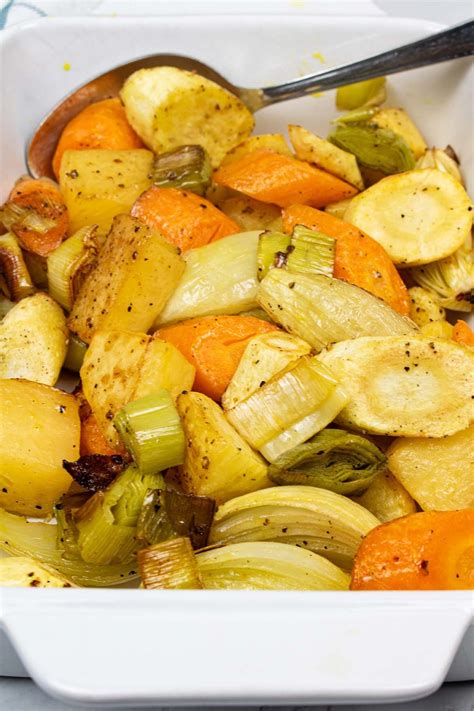
- Softening but Holding Shape: Raw root vegetables are firm. As they cook, they will soften, and a knife or fork should easily slide into them with minimal resistance. They should, however, still hold their shape and not look collapsed or watery.
- Browning/Caramelization (Roasted): When roasting, look for golden-brown edges and a slightly caramelized surface, which indicates natural sugars have developed, adding depth of flavor.
Leafy Greens (Spinach, Kale)
- Wilting and Volume Reduction: These greens cook very quickly. They will rapidly wilt, shrinking significantly in volume. Spinach, for instance, goes from a large pile to a small, tender heap in minutes. The leaves should be tender but not disintegrate.
Visual Cues for Perfectly Cooked Proteins
Proteins undergo more dramatic structural and color changes as they cook, making visual cues particularly reliable for determining doneness.
Poultry (Chicken, Turkey)
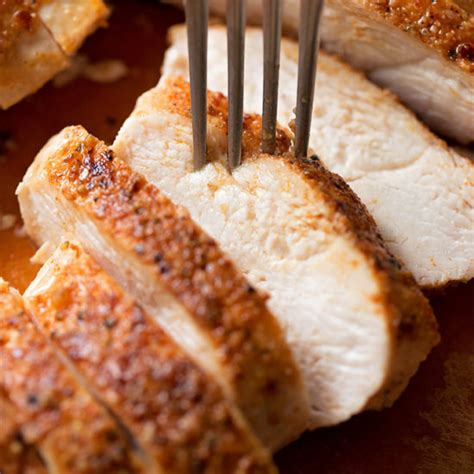
- Opacity: Raw poultry is somewhat translucent and pinkish. As it cooks, the flesh becomes entirely opaque, turning white throughout.
- Clear Juices: When pierced with a knife or fork, the juices that run out should be completely clear, not pink or cloudy. This is a strong indicator of safety and doneness.
Beef and Red Meats (Steak, Lamb)
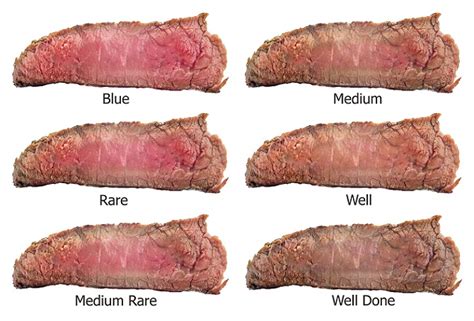
Doneness for red meats is often a matter of preference, indicated by the internal color gradient.
- Rare: Bright red cool center.
- Medium-Rare: Warm red center.
- Medium: Pink center.
- Medium-Well: Slightly pink center.
- Well-Done: Grey-brown throughout.
Externally, look for a good sear or crust (Maillard reaction) and a slight bounce-back when pressed gently, indicating tenderness for desired doneness levels below well-done. The exact firmness corresponds to the internal doneness.
Fish and Seafood (Salmon, Shrimp)
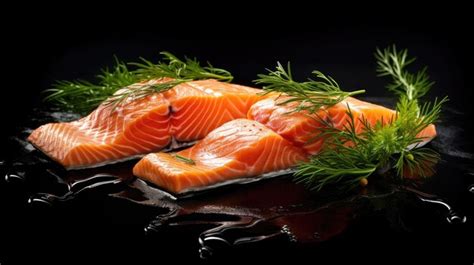
- Opaque and Flaky: Raw fish is translucent. As it cooks, the flesh becomes opaque and turns from glossy to duller. When gently flaked with a fork, it should separate easily along its natural lines. Overcooked fish will be dry and stringy.
- Shrimp: Changes from greyish-translucent to bright pink and opaque, curling into a ‘C’ shape. An ‘O’ shape often indicates overcooked.
Eggs
- Coagulation: The translucent whites turn opaque and firm. Yolks can range from runny (poached, sunny-side up) to fully set and crumbly (hard-boiled). Visuals are key here for achieving specific yolk textures.
The Power of Observation in Your Kitchen
While cooking thermometers provide precision, training your eyes to recognize these visual cues will make you a more confident and intuitive cook. Practice observing these changes closely with different ingredients. Soon, you’ll be able to tell at a glance when your food has reached its optimal state, ensuring delicious results every time.