What visual cues indicate perfect dough proofing or ideal sauce consistency in your recipes?

The Art of Visual Assessment in the Kitchen
Beyond precise measurements and strict timings, the most skilled cooks and bakers develop an innate ability to ‘read’ their food. Visual cues are often the ultimate indicators of success, especially when it comes to the delicate balance of dough proofing and the nuanced perfection of sauce consistency.
Understanding what to look for can elevate your culinary creations from good to exceptional, guiding you through the critical stages where a recipe alone might fall short.

Decoding Perfect Dough Proofing
Dough proofing, the fermentation process where yeast produces gas and causes the dough to rise, is perhaps one of the most nerve-wracking stages for bakers. Under-proofed dough results in dense, heavy bread, while over-proofed dough can collapse and have a sour taste. Here’s what to look for:
The Volume and Appearance Test
One of the primary indicators is volume. Your dough should typically double (or even triple, depending on the recipe) in size from its original state. The surface should appear domed, smooth, and slightly taut, indicating good gluten development and gas retention. Large, distinct bubbles might be visible just beneath the surface.
The Finger Poke Test (The Indispensable Tool)
This is arguably the most reliable visual and tactile test. Gently flour a finger and press it about half an inch into the dough. The way the indentation reacts tells you everything:
- Under-proofed: The indentation springs back immediately and completely. The dough feels dense.
- Perfectly Proofed: The indentation springs back slowly, about halfway, leaving a slight dimple. This indicates the dough is adequately filled with gas but still has enough structure to hold its shape during baking.
- Over-proofed: The indentation remains without springing back, and the dough might even deflate slightly with the poke. The dough feels very soft, gassy, and might even smell strongly yeasty or alcoholic.
Mastering Ideal Sauce Consistency
A well-made sauce can transform a dish, and its consistency is paramount. Whether it’s a rich gravy, a delicate custard, or a vibrant hollandaise, the visual cues for perfection are distinct and crucial.
The “Nappe” or Back-of-a-Spoon Test
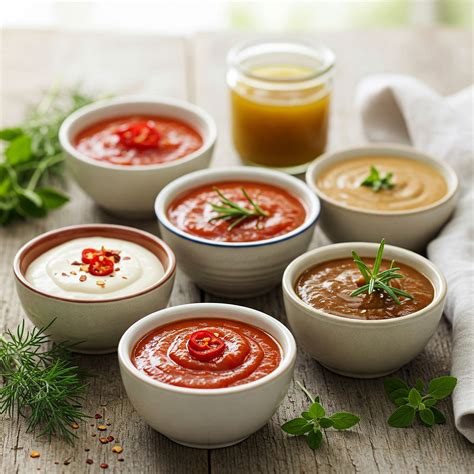
This classic technique is essential for many sauces, especially those thickened with a roux, starch, or egg yolks. Dip a spoon into the sauce and then draw a line across the back of the spoon with your finger:
- Perfect Consistency: The line you drew should hold, and the sauce should evenly coat the back of the spoon without running or dripping excessively. This is often described as “nappe,” meaning it’s thick enough to coat food without being too gloopy or too thin.
- Too Thin: The sauce will run quickly, and the line won’t hold.
- Too Thick: The sauce will be clumpy or excessively viscous, clinging to the spoon in thick blobs.
Ribbon Stage for Egg-Based Sauces and Custards
For sauces like crème anglaise, sabayon, or even some cake batters, the “ribbon stage” (or “nappe” when referring to egg yolks) is a key visual cue. When you lift the whisk or spatula, the mixture should fall back into the bowl in a thick ribbon that sits on the surface for a few seconds before slowly melting back into the rest of the mixture. This indicates adequate thickening and emulsification.
Specific Visuals for Different Sauces
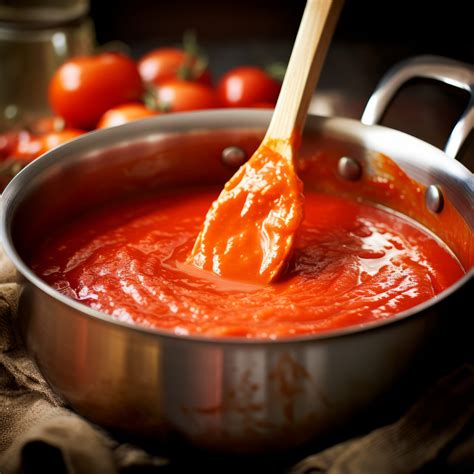
- Gravy: Should be glossy, smooth, and thick enough to coat mashed potatoes or meat, but still pourable. No lumps.
- Béchamel/Cheese Sauce: Smooth, velvety, and coats the back of a spoon effectively. It shouldn’t be pasty or watery.
- Hollandaise/Mayonnaise: A well-emulsified sauce will be light, airy, and opaque with a stable, thick consistency. If it looks broken or oily, the emulsion has failed.
- Pan Sauces: Often reduced to a syrupy consistency, they should cling to ingredients and have a deep, concentrated color.
Conclusion: Trusting Your Eyes and Experience
While recipes provide a foundational roadmap, developing an eye for perfect dough proofing and ideal sauce consistency is a hallmark of culinary confidence. These visual cues are not just aesthetic; they are indicators of proper chemical and physical transformations that directly impact the texture, flavor, and overall success of your dishes. Practice, observation, and a willingness to trust your instincts are the best ingredients for mastering these essential kitchen skills.