What visual cues reveal an authentic, delicious food adventure over a tourist trap?

The Quest for Culinary Authenticity Abroad
For many travelers, discovering local cuisine is as crucial to the experience as visiting historic landmarks. The aroma of spices wafting from a bustling market stall or the promise of a generations-old recipe in a family-run trattoria beckons. Yet, the fear of stumbling into an overpriced, inauthentic tourist trap looms large. How can you, the discerning food adventurer, distinguish a truly authentic, delicious dining experience from a cleverly disguised money pit? The answer lies in observing subtle, yet powerful, visual cues.
The Crowd Tells a Story
Locals vs. Tourists
The first and often most telling visual cue is the clientele. Scan the faces: are they primarily locals, families, business people, or students? If the majority of diners appear to be residents, speaking the local language, laughing, and interacting naturally, you’re likely on the right track. A restaurant packed with fellow travelers clutching guidebooks and speaking a multitude of languages is a significant red flag.
Queue Length & Type
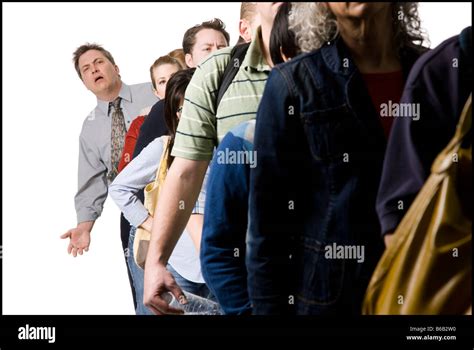
A line out the door can be a strong indicator of quality, but pay attention to who is in that line. Is it a queue of impatient locals eager for their regular fix, or a confused gaggle of tourists unsure of what to order? A restaurant beloved by its community often commands a consistent, local crowd.
Menu Matters: Decoding the Culinary Rosetta Stone
Multilingual Menus & Photos
While a bilingual menu can be helpful, a menu translated into half a dozen languages, often accompanied by glossy, generic photos of dishes that look suspiciously appealing, is usually a bad sign. Authentic establishments might have a simple translation or rely on staff to explain dishes. A menu solely in the local language, perhaps with a few handwritten additions, is often a sign of a place confident in its local appeal.
Dish Specificity & Pricing
Look for specificity. Does the menu offer ‘chicken with rice’ or ‘Arroz con Pollo a la Chorrera con tajadas de plátano maduro’? The more detailed and culturally specific the dish names, the more authentic. Also, compare prices to nearby eateries. Tourist traps often inflate prices significantly for mediocre fare.
Ambiance & Decor: More Than Just Aesthetics
Decor Authenticity
The decor speaks volumes. Is it generic, trying too hard to be ‘ethnic,’ or does it feel lived-in and genuinely local? Hand-written signs, worn but clean tables, local art (or lack thereof), and simple, functional furnishings often characterize an authentic spot. Avoid places with overly flashy, themed decor that screams ‘tourist trap’ rather than ‘local hangout.’
Kitchen Visibility & Cleanliness
If you can see into the kitchen, even partially, it’s often a good sign of transparency. A busy, yet organized, kitchen (even a rustic one for street food) that appears hygienic is reassuring. For street food, observe how ingredients are stored and handled. Freshness and care in preparation are visual indicators of quality.

The Food Display Itself
Freshness & Presentation
Whether it’s a buffet, a street vendor, or a seated restaurant, observe the food itself. Does it look fresh and vibrant, or has it been sitting out under heat lamps for too long? Authentic cuisine often prioritizes the quality of ingredients, which shines through in its simple, honest presentation.
Portion Sizes & Ingredients
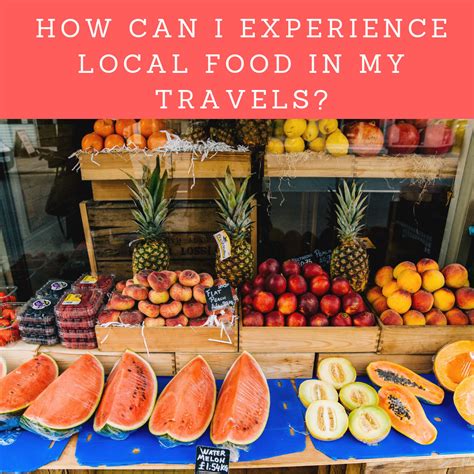
Authentic local eateries often provide generous portions, reflecting local hospitality and value. Take note of the ingredients; are they seasonal and locally sourced? For instance, seeing local produce prominently displayed or used in dishes is a good sign.

Subtle Signs & Sensory Overload
The Sounds & Smells
While not strictly visual, the overall atmosphere provides powerful clues. Listen for local chatter, the sizzle of woks, or the rhythmic chopping of ingredients. Smell the distinct aromas of local spices and cooking. A place that smells bland or of generic frying oil is less likely to offer a truly authentic experience.
Staff Interaction
Observe the staff. Are they genuinely engaged with customers, even if there’s a language barrier? Or are they pushy, trying to lure in passersby, and seem disinterested once you’re seated? Friendly, efficient, and locally focused staff often work in authentic establishments.

Trust Your Gut, Feed Your Soul
Ultimately, navigating the culinary landscape requires a keen eye and a willingness to trust your instincts. By paying attention to these visual cues – the crowd, the menu, the ambiance, the food’s appearance, and the overall sensory experience – you can significantly increase your chances of uncovering a truly authentic, delicious food adventure. Ditch the guidebooks for a moment, look for where the locals eat, and prepare for a meal that truly captures the spirit of your destination.