What visual cues reveal an authentic local food spot from a tourist trap?

The Quest for Culinary Authenticity
One of the greatest joys of travel is immersing oneself in the local culture, and few experiences are as enriching as savoring authentic local cuisine. However, navigating the bustling streets of an unfamiliar city can be tricky, with charming-looking eateries often turning out to be soulless tourist traps designed to siphon traveler’s cash rather than delight their palates. Fortunately, by paying attention to specific visual cues, you can significantly increase your chances of finding that hidden gem where locals truly eat.
Exterior Clues: First Impressions Matter
Before even stepping inside, the exterior of an establishment can offer a wealth of information. Authentic local spots often blend seamlessly into the neighborhood, sometimes even appearing unassuming or slightly worn. Look for signs primarily in the local language, perhaps hand-painted or showing signs of age. If the menu outside features elaborate pictures of every dish, multiple languages prominently displayed, or aggressive touts trying to usher you in, it’s often a red flag. A truly local spot relies on reputation and quality, not flashy marketing.

Pay attention to the clientele visible from the outside. Are locals streaming in and out, perhaps stopping to chat with the proprietor? Or does the crowd consist almost entirely of fellow tourists, often with cameras around their necks and guidebooks in hand? A strong local presence is one of the most reliable indicators of an authentic experience.
Inside Scoop: Decor and Menu Dynamics
Once you venture indoors, the decor can speak volumes. Authentic local eateries typically prioritize functionality and comfort over elaborate themes. You might see simple, practical furniture, local artwork or photographs, and perhaps a bustling, slightly chaotic atmosphere. Tourist traps, on the other hand, often feature overly themed decorations, generic ‘local’ stereotypes, or an excessive emphasis on cleanliness that feels somewhat sterile and impersonal.
The menu is another crucial visual cue. An authentic restaurant’s menu might be shorter, focusing on a few specialty dishes that rotate seasonally. It will likely be primarily in the local language, with perhaps a basic English translation if catering to some foreigners, but not as the primary focus. Be wary of multi-page, laminated menus with glossy, artificial-looking photos of every dish, especially if prices seem disproportionately high for the region. Look for daily specials written on a chalkboard – a sign of fresh, seasonal ingredients.

Observing the Patrons and Staff
Beyond the decor and menu, observing the people within the restaurant provides invaluable insights. Are the majority of the diners locals – perhaps families, friends, or business associates – engaged in lively conversation? Or is it a sea of international visitors, all speaking different languages, likely drawn in by the same ‘tourist-friendly’ facade? True local gems thrive on repeat business from their community.
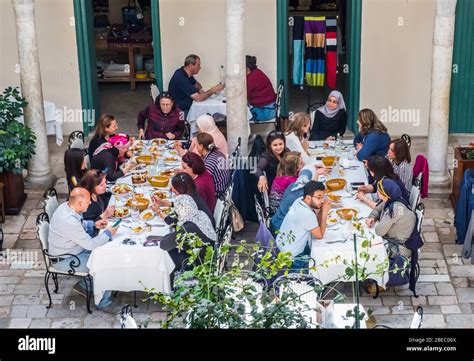
The staff’s demeanor can also be telling. In an authentic spot, servers might be less polished or fluent in English, but they will likely be genuinely warm and passionate about their food. They might even offer recommendations based on your preferences. In tourist traps, staff can sometimes be overly solicitous or, conversely, disinterested, viewing customers as a transaction rather than an opportunity to share their culture.
Subtle Details and the Scent of Authenticity
Don’t overlook the subtle details. Is there an open kitchen where you can see fresh ingredients being prepped? Are there unique condiments or local beverages on the tables? Sometimes, even the aroma can guide you – the rich, complex scent of simmering spices or freshly baked bread versus a generic fried food smell. Authentic places often feature local newspapers, community notices, or even a local television channel playing in the background.
Ultimately, finding an authentic local food spot is an adventure in itself. It requires a keen eye, a bit of intuition, and a willingness to step off the beaten path. By learning to decipher these visual cues, you’ll be well-equipped to bypass the tourist traps and uncover the true culinary heart of any destination, creating delicious and memorable food adventures.