What visual cues reveal an authentic, must-try food adventure spot?

Embarking on a food adventure is about more than just satisfying hunger; it’s a quest for genuine culinary experiences that capture the soul of a place. While online reviews and travel guides can offer starting points, the real magic often lies in unearthing hidden gems that locals frequent. But how do you spot these authentic, must-try food havens amidst a sea of options? The answer lies in mastering the art of reading visual cues.
The Unmistakable Sign: A Crowd of Locals
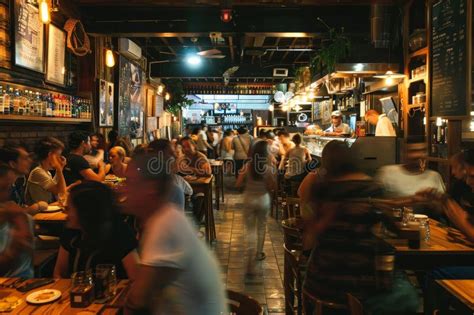
Perhaps the most telling visual cue is the clientele itself. If a food spot is teeming with locals, especially during off-peak hours, you’ve likely hit the jackpot. Locals are discerning; they know where to find the best value, the freshest ingredients, and the most authentic flavors. A tourist-free zone is often a good sign, indicating that the establishment caters to genuine tastes, not just passing visitors.
Observe the rhythm and energy of the place. Is there a constant flow of customers? Are people happily waiting in line, or engaging in lively chatter over their meals? A vibrant, bustling atmosphere, even if it appears chaotic, often signals a beloved local institution where the food speaks for itself.
Humble Exteriors and Unpretentious Charm
Don’t be swayed by gleaming facades or elaborate signage. True food adventures often lurk behind the most unassuming, even dilapidated, exteriors. Many authentic spots prioritize the quality of their food over fancy decor. Look for signs of age, wear, and tear – faded paint, simple furniture, or a menu board that looks like it’s been updated by hand for years. These aren’t signs of neglect, but rather badges of honor, suggesting a long-standing establishment that has built its reputation solely on its culinary prowess.
The Menu: Simple, Focused, and Often Bilingual
A sprawling, multi-page menu boasting international dishes can be a red flag. Authentic establishments typically have a more focused offering, specializing in a handful of dishes they do exceptionally well. A limited menu often means mastery over specific recipes and ingredients. Pay attention to menus that are handwritten, chalkboards, or those that feature a local language first, with perhaps a rudimentary English translation, or none at all. This often indicates a deep connection to local traditions and a less commercial approach.

Visible Preparation and Fresh Ingredients on Display
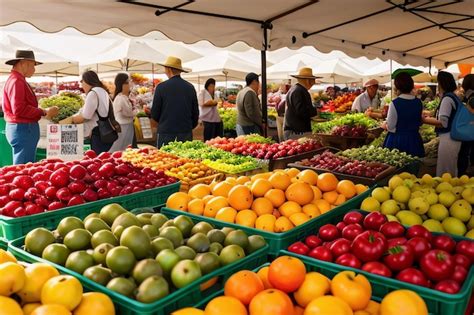
The best food adventures often offer a peek behind the culinary curtain. Look for open kitchens, street vendors openly preparing food, or even just a counter where fresh ingredients are proudly displayed. Seeing chefs or cooks actively working – kneading dough, searing meat over an open flame, or chopping fresh vegetables – provides a comforting assurance of freshness and traditional techniques.
The presence of vibrant, unprocessed ingredients, like colorful produce piled high or fresh seafood on ice, is a strong indicator of quality. It suggests that the establishment values fresh, seasonal produce and isn’t cutting corners. The sounds of sizzling woks, bubbling pots, or the rhythmic thud of a knife against a cutting board are all auditory cues that complement the visual feast.
Sensory Overload: The Aroma and Visual Appeal of the Food Itself
Beyond the establishment’s general appearance, the food itself, as it’s being served to others, offers crucial clues. A truly authentic spot will often fill the air with irresistible aromas – the smoky scent of grilled meats, the sweet spice of curries, or the savory fragrance of simmering stews. Let your nose guide you.
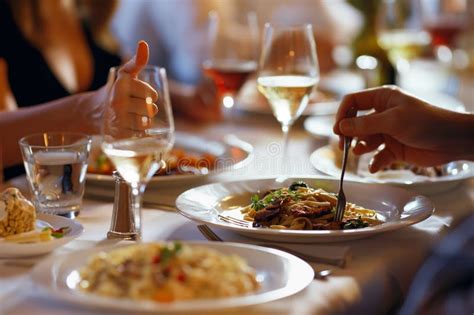
Visually inspect the dishes being delivered to other tables. Do they look vibrant, generously portioned, and appealing? Are the colors natural and inviting? Observe if the locals seem to be savoring every bite. Food that looks hearty, homemade, and unpretentious is often a hallmark of an authentic experience, prioritizing flavor and tradition over elaborate plating.

The Unspoken Language of Community and Passion
Finally, pay attention to the overall vibe. Does the place feel like a hub of community? Are people sharing tables, interacting with staff, or simply enjoying a shared moment over food? Authentic food spots often foster a sense of belonging and passion, both from the patrons and the people running it. It’s a place where the love for food is palpable, and every dish tells a story.
By honing your observational skills and trusting these visual cues, you’ll significantly increase your chances of stumbling upon those unforgettable, authentic food adventures that truly define a culinary journey. So, next time you’re exploring a new place, look beyond the obvious and let your senses guide you to the heart of its gastronomic culture.