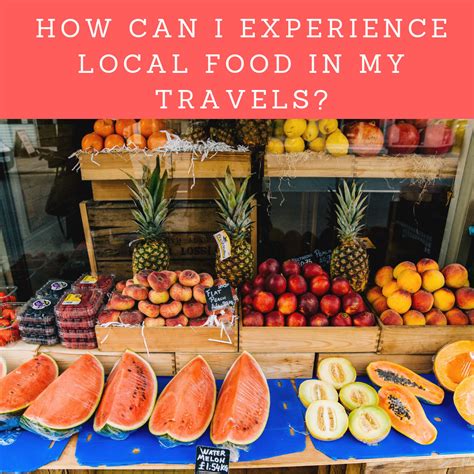
What visual cues reveal authentic local eats for foodie adventures?

The Quest for Culinary Authenticity
For any true foodie, a journey is incomplete without diving deep into the local culinary scene. But in a world often saturated with tourist traps, how do you distinguish the genuine local haunt from the imitation? The secret lies in deciphering visual cues – a language spoken universally by authentic eateries around the globe. Sharpen your observational skills, and you’ll unlock a treasure trove of unforgettable flavors.
The Crowd Tells a Story
One of the most reliable indicators of an authentic local eatery is its clientele. Take a moment to observe who is eating there. Are they primarily locals – families, business people on their lunch break, or groups of friends speaking the local language? If the place is bustling with residents rather than bewildered tourists flipping through phrasebooks, you’ve likely hit a goldmine. Locals know where to find the best food, and their consistent patronage is a powerful endorsement.
Look for queues, especially during peak meal times. While a long line might seem inconvenient, it’s often a sign of exceptional food that’s worth the wait. These establishments usually have a reputation built on quality and tradition, attracting a loyal following.

Menus: Simplicity, Language, and Focus
An authentic local spot often boasts a concise, focused menu. Rather than a sprawling list of international dishes, you’ll find a selection of local specialties, perhaps even just a few signature items they excel at. A menu predominantly (or exclusively) in the local language, possibly handwritten or simply printed, is another strong indicator. While some places might offer a translated version, the primary focus will be on serving the local community.
Beware of menus that are overly glossy, feature generic photos of food that could be anywhere, or are translated into five different languages with aggressive tourist pricing. These are often designed to appeal to the lowest common denominator of visitors rather than showcasing true local cuisine.
The Appearance of the Establishment
Authenticity rarely comes wrapped in flashy decor or polished facades. Many of the best local eats are found in humble, unpretentious settings. Look for well-worn tables, simple chairs, and a decor that reflects the establishment’s history and focus on food over aesthetics. A slightly disheveled look, provided it’s clean, can be a good sign – it suggests all the energy goes into the kitchen, not the showroom.
However, ‘humble’ doesn’t mean unclean. A clean kitchen (if visible), tidy tables, and a general sense of care, even in a rustic setting, are crucial. A quick peek at the kitchen or prep area, if possible, can give you insights into hygiene and the freshness of ingredients.

Observe the Food Itself and Preparation
Once you’ve found a potential spot, take a moment to observe the food being served. Does it look fresh and vibrant? Are the ingredients recognizable and locally sourced? Authentic local dishes often emphasize the quality of their core ingredients with straightforward, rustic presentation rather than overly complex plating. Watch for visible cooking processes – an open kitchen, a bustling street vendor flipping food in a wok, or a baker pulling fresh goods from a traditional oven. Seeing the food prepared before your eyes is not only entertaining but also a testament to its freshness and the cook’s confidence.
The Vibe and Atmosphere
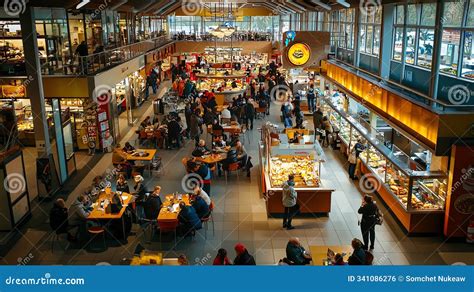
The overall atmosphere of an eatery can speak volumes. A place filled with lively chatter, clanking dishes, and the aroma of delicious cooking often signifies a beloved local spot. The energy should feel authentic and unforced. If the staff are friendly but not overly solicitous (a sign they’re used to regular customers), and if the pace is steady without feeling rushed, you’re likely in good hands. Look for interactions between staff and customers – a familiar rapport often indicates regulars.
Beyond the Obvious: Trust Your Gut
Ultimately, a significant part of the foodie adventure is trusting your instincts. Does the smell from a doorway draw you in? Does a particular stall on a street corner have an undeniable appeal? Don’t be afraid to venture a block or two off the main tourist drags; often, the true gems are hidden in plain sight, just slightly off the well-trodden path. Engage with locals if you can, but primarily, let your eyes and nose be your guides. The reward for this investigative work is an authentic culinary experience that will be a highlight of your travels.

By learning to read these visual cues, you transform from a mere diner into a culinary detective, uncovering the true heart and soul of a destination through its food. Happy hunting!