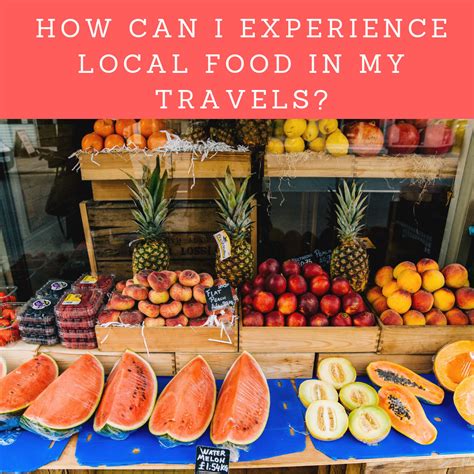
What visual cues reveal hidden, authentic food gems for real foodies?
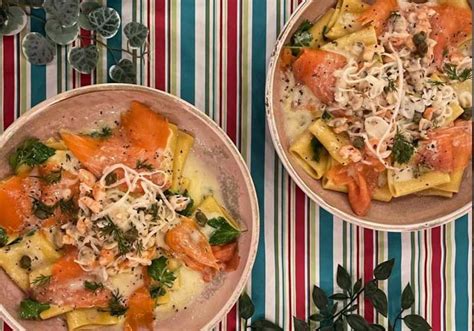
The Quest for Culinary Authenticity Beyond the Tourist Trap
For true foodies, the pursuit of an authentic culinary experience goes far beyond what glitzy guidebooks or algorithms suggest. It’s a hunt for the soul of a place, embodied in its food, its people, and its unpretentious charm. But how do you spot these hidden gems amidst a sea of tourist-oriented eateries? The secret lies in becoming a keen observer, interpreting visual cues that speak volumes louder than any menu translation or flashy sign.
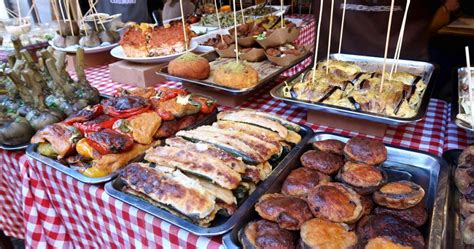
Observing the Crowd: The Ultimate Indicator
The most telling sign of an authentic food spot is its clientele. Are the tables filled with locals – families, friends, business people – speaking the local language, seemingly comfortable in their surroundings? Or is it predominantly tourists clutching maps and snapping photos of their plates? A restaurant packed with residents, especially at times that aren’t peak tourist hours, is almost always a strong indicator of quality and authenticity. Look for multi-generational gatherings, a sign of a cherished establishment.
Conversely, be wary of places with aggressive touts outside, menus in a dozen languages complete with photos of every dish, or locations strategically placed only in high-traffic tourist areas. These are often designed to cater to a fleeting visitor rather than a discerning local palate.
The Aesthetic of Authenticity: Beyond the Polish
Authentic food establishments often eschew elaborate decor for functionality and comfort. Think mismatched chairs, well-worn tables, or a simple, utilitarian setup. Peeling paint, slightly faded signage, or an interior that looks like it hasn’t changed in decades can paradoxically be a badge of honor, signaling a focus on the food itself rather than superficial aesthetics. It tells you that the flavors are so compelling, they don’t need a fancy façade to draw customers.

Menu and Presentation: Simplicity is Key
Delve into the menu. Is it handwritten, perhaps only in the local language, or limited to a few specific dishes? This often suggests mastery over a select range of specialties, honed over years. Spelling mistakes in English on a translated menu can sometimes even be a good sign – indicating the owners are more focused on cooking than perfect linguistics. The food itself, when it arrives, often looks rustic, honest, and less ‘styled’ than high-end or tourist-centric fare. Generous portions, homely presentation, and vibrant, natural colors are common hallmarks.
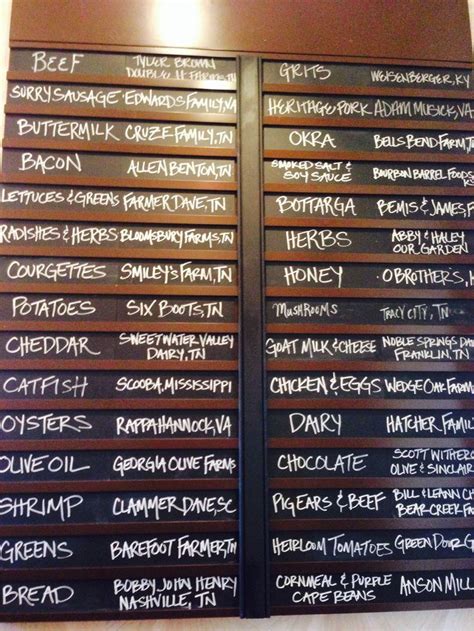
The Sensory Experience: Sound, Sight, and Smell
Beyond what you see on a plate, engage all your senses. An open kitchen or a visible food preparation area is a fantastic sign. Watch the chefs; are they handling fresh ingredients with care and passion? Listen for the sizzle of woks, the rhythmic chopping, the chatter of an engaged kitchen. Inhale the aroma – is it rich with local spices and fresh ingredients? These sensory cues indicate an active, dedicated culinary process. Also, observe the interaction between staff and customers; warm, familial service, even if not highly polished, adds to the authentic vibe.
The “Wear and Tear” Factor
Don’t underestimate the power of well-worn signs. A smooth, polished door handle from years of use, a well-trodden path to the restroom, or an old, faded sign above the door aren’t signs of neglect but of enduring popularity and loyal patronage. These physical markers suggest a place that has stood the test of time, cherished by its community, and proven its worth through consistent quality rather than fleeting trends.
Conclusion: Trust Your Instincts, Unearth the Treasure
Mastering the art of interpreting these visual cues transforms every meal into a detective adventure. It’s about slowing down, observing your surroundings, and trusting your gut feeling beyond what online reviews might tell you. The reward for this diligence is not just a delicious dish, but a genuine taste of local culture, a connection with the community, and a unique story to share. So, next time you’re exploring a new place, put down your phone, look up, and let the authentic visual language of food lead you to your next unforgettable culinary discovery.