What visual cues reveal truly authentic local eats abroad?
The Quest for Culinary Authenticity
For many travelers, the true essence of a foreign land isn’t just in its iconic landmarks, but in the vibrant flavors of its local cuisine. Escaping the tourist traps to find a truly authentic meal can transform a trip from good to unforgettable. But how do you spot these culinary havens? It’s all about tuning into visual cues – subtle yet powerful indicators that reveal where the locals truly eat.
Follow the Local Crowd
Perhaps the most straightforward and reliable sign of an authentic eatery is its clientele. If a restaurant is packed with locals, especially during peak meal times, you’re likely onto a winner. Observe their demographics – are they families, office workers, or groups of friends? A diverse local crowd signifies broad appeal and genuine local endorsement. Conversely, a place primarily filled with tourists, or eerily empty, often suggests a compromised experience catering to an outsider’s palate or simply lacking local appeal.

Decoding the Decor and Ambiance
Authentic local spots rarely prioritize lavish, Instagram-perfect interiors. Instead, look for simplicity, functionality, and signs of genuine wear and tear. A place with well-worn tables, humble chairs, and perhaps a family photo or local art on the walls often indicates a long-standing establishment focused on food rather than superficial aesthetics. Shiny, generic decor designed to appeal to everyone can be a red flag. Pay attention to the kitchen too; if it’s visible, are the chefs engaged, using fresh ingredients, and is there a palpable energy?
The Language Barrier on the Menu
An extensive, multi-lingual menu with glossy pictures might seem helpful, but it’s often a sign of a tourist-centric establishment. Truly authentic eateries often feature menus primarily in the local language, sometimes handwritten, or with only basic English translations. A short, focused menu that changes daily or seasonally is another excellent indicator; it suggests a kitchen specializing in a few dishes, made fresh with available ingredients, rather than trying to offer everything to everyone.
Location and External Appearance
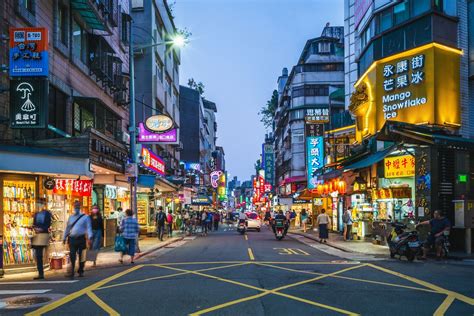
While some authentic gems can be found on main streets, many are tucked away on less-traveled side streets, down alleys, or in residential neighborhoods. Don’t be deterred by a modest or even slightly run-down exterior. Sometimes the best food comes from the most unassuming places. If a place looks like it’s been there for decades, perhaps with a faded sign or a humble storefront, it often harbors a culinary tradition worth exploring. Avoid restaurants with aggressive touts trying to pull you in – genuine quality rarely needs such tactics.

Observing Plates and Presentation
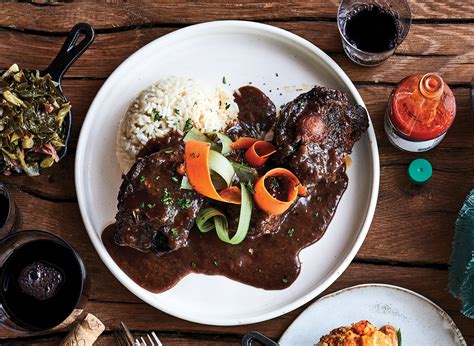
Authentic local food is typically about taste and substance, not elaborate presentation. Expect hearty, unpretentious portions served on simple dishware. Watch how locals are eating: are they sharing dishes? Are they using their hands in cultures where that’s customary? Are there condiments unique to the region on the table? These details can offer valuable insight into local dining customs and authenticity.

Ultimately, finding truly authentic local eats abroad is an adventure in itself. By sharpening your observational skills and trusting these visual cues, you’ll uncover hidden culinary treasures that offer not just a meal, but a genuine taste of the culture. Dive in, explore, and let your eyes guide you to your next unforgettable food experience.