What visual cues signal a truly authentic foodie spot abroad?

Embarking on a culinary journey abroad is often about more than just satisfying hunger; it’s about immersing oneself in the local culture, savoring authentic flavors that tell a story. Yet, in a world brimming with tourist traps and diluted experiences, how does one discern a truly genuine foodie haven from a cleverly disguised imitation? The secret often lies in paying close attention to visual cues – subtle signals that speak volumes before you even take a bite.
The Clues of a Local Clientele
Perhaps the most telling sign of authenticity is the demographic of the diners. A restaurant packed with locals, especially during peak meal times, is almost always a good bet. Listen for the dominant language spoken – if it’s the native tongue rather than a cacophony of international accents, you’re likely in the right place. Locals tend to gravitate towards establishments that offer consistent quality, fair prices, and traditional tastes, making them the ultimate, albeit unspoken, reviewers.

Simplicity Over Spectacle: Menu and Decor
Authentic spots often prioritize substance over flash. Look for menus that are concise, perhaps handwritten, and possibly only in the local language (though a rough translation might be available upon request). A sprawling menu offering every conceivable dish from various cuisines is usually a red flag. Similarly, the decor might be unpretentious, functional, or even a little worn – signs that the establishment’s focus is squarely on the food, not on impressing with lavish interiors. Sometimes, the best meals come from the humblest settings.
The Transparency of Preparation and Ingredients
While not universally true, an open kitchen or visible preparation area can be a strong indicator of confidence in quality and hygiene. Even if the kitchen isn’t entirely open, observe if fresh ingredients are on display, perhaps a stall of local produce adjacent to the restaurant, or freshly baked goods cooling on a rack. This transparency suggests a commitment to using fresh, seasonal components, which is foundational to authentic regional cuisine.

The Unpolished Charm: Furniture and Ambiance
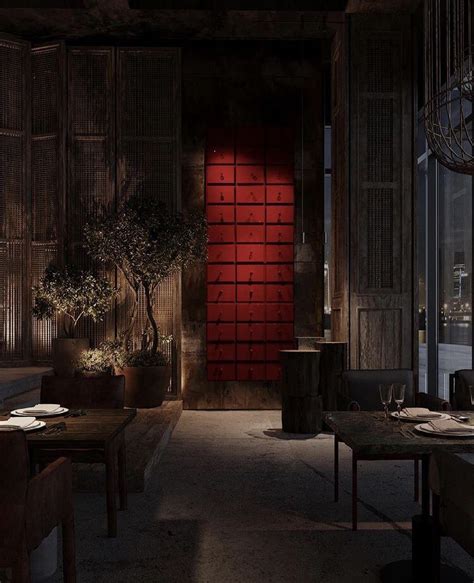
Don’t be deterred by slightly scuffed tables, mismatched chairs, or a generally lived-in feel. These imperfections often tell a story of longevity and resilience, suggesting a place that has served generations of satisfied customers. The ambiance might be lively and a bit chaotic, reflecting the natural energy of a popular local spot. Such places often exude a warmth and character that meticulously designed tourist-centric venues struggle to replicate.
Traditional Presentation and Utensils
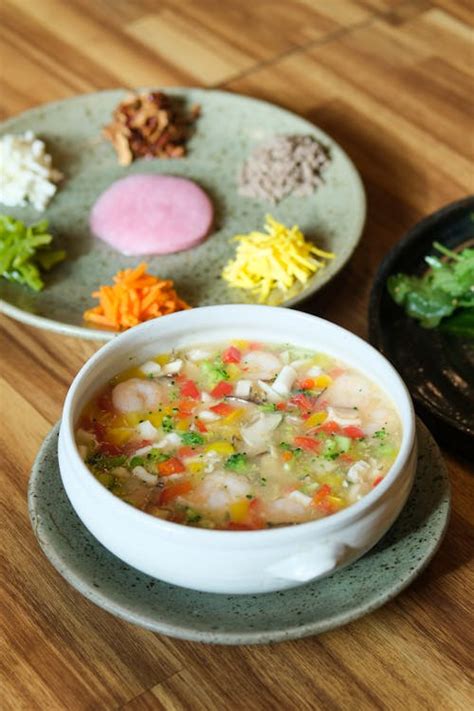
Pay attention to how the food is served. Are they using traditional crockery, specific cutlery, or customary serving methods unique to the region? For instance, a small, local ramen shop might use specific ceramic bowls, or a taco stand might serve on simple paper-lined baskets. These small details indicate respect for culinary traditions and an unwillingness to compromise authenticity for convenience or mass appeal.
Beyond the Visual: The Aroma and Soundscape
While this article focuses on visual cues, it’s worth a quick mention of the other senses. Does the air carry tantalizing aromas that hint at delicious, freshly prepared food? Is there a lively buzz of conversation and clatter that speaks to an active, well-loved establishment? Combining visual signals with these sensory inputs creates a more complete picture.
Finding a truly authentic foodie spot abroad is an art, not a science. It requires observation, a willingness to step off the beaten path, and an openness to experiences that might not fit conventional notions of ‘fine dining’. By honing your eye for these visual cues – from the crowd it attracts to the simplicity of its setting – you can significantly increase your chances of discovering those unforgettable, deeply satisfying culinary treasures that define a true food adventure.