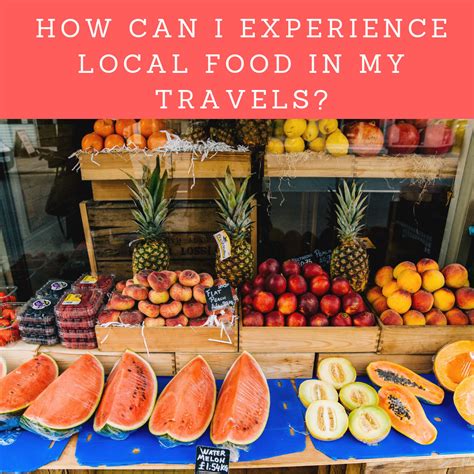
What visual cues signal authentic, delicious, local food adventures?

Embarking on a culinary journey in a new destination is often the highlight of any trip. The quest for authentic, delicious, local food isn’t just about taste; it begins long before the first bite, often with a series of visual cues that signal a true gastronomic gem. Learning to interpret these silent indicators can transform a good meal into an unforgettable adventure, steering you away from tourist traps and towards genuine local flavors.
The Environment Speaks Volumes
The immediate surroundings of a food stall or restaurant can tell you a great deal about its authenticity. A bustling scene, particularly one filled with locals, is perhaps the strongest indicator. If the establishment is packed with people who clearly aren’t tourists, chances are you’ve found a spot cherished by the community for its quality and flavor.
Beyond the crowd, observe the overall aesthetic. Authentic local eateries often prioritize substance over style. Think simple, unpretentious decor, functional seating, and perhaps a well-worn charm that speaks to years of dedicated service. Overly polished, generic, or overtly “themed” establishments can sometimes be a red flag, suggesting a focus on tourist appeal rather than culinary integrity.
The Visual Appeal of the Food and Preparation
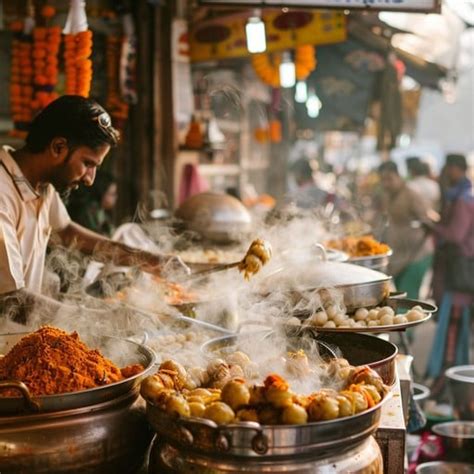
Once you’ve zeroed in on a promising spot, shift your attention to the food itself and how it’s being prepared. Visibility is key. An open kitchen or a street food vendor preparing dishes right in front of you offers not only entertainment but also a transparent view of freshness and technique. Watch for vibrant, fresh ingredients being handled with care – bright vegetables, glistening meats, and aromatic spices.
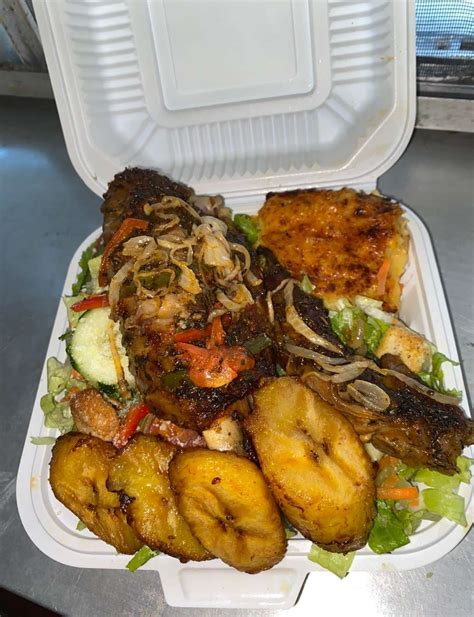
The dishes on offer should look handmade, not mass-produced. Irregularities, a rustic charm, and generous, honest portions are often hallmarks of food prepared with passion and traditional methods. If everything looks too perfect, too uniform, or suspiciously untouched, it might indicate pre-prepared or less authentic fare. Look for bubbling pots, sizzling woks, and the natural colors of ingredients.
Observing the Local Clientele and Staff
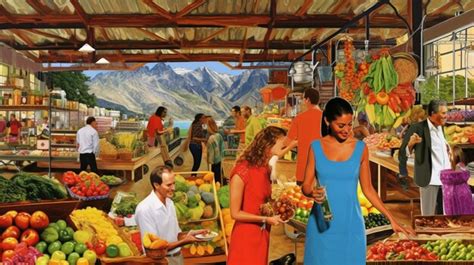
The people eating at an establishment are your best critics. Do they look engaged with their food? Are they chatting animatedly, perhaps sharing dishes, or simply savoring each bite with quiet satisfaction? A diverse mix of ages and backgrounds among the local crowd further reinforces its authenticity, suggesting broad appeal within the community.
Equally important are the people behind the counter. Passionate chefs or vendors who are focused on their craft, even amidst chaos, signal dedication. While not always fluent in English, their warmth and pride in their food can often be communicated non-verbally. A limited menu, expertly prepared, often suggests specialization and mastery of a few dishes rather than a sprawling, mediocre offering.

Subtle Signifiers and Specifics
Beyond the more obvious cues, some subtle signals can further confirm your hunch. Hand-written menus, perhaps in the local language with only a few items, often point to a place deeply rooted in local traditions. The absence of glossy, multi-language menus specifically targeting tourists can be a good sign. Also, notice if specific, regional ingredients are prominently displayed or mentioned.
The presence of unique, traditional cooking equipment – a specific type of oven, grill, or utensil – can also hint at authentic techniques being employed. Finally, trust your other senses: the tantalizing aromas wafting from a stall or restaurant are powerful indicators that deliciousness awaits.

Conclusion: Trust Your Instincts (and Your Eyes)
Ultimately, navigating the world of local food adventures is an art form, a blend of observation, intuition, and a willingness to step outside your comfort zone. By keenly observing the environment, the food, the people, and the subtle nuances, you can significantly increase your chances of discovering those hidden culinary gems that truly define a destination. So, next time you’re exploring, let your eyes be your guide to an authentic and delicious local food experience.