What visual cues signal ideal doneness for vibrant roasted vegetables?
Unlocking the Magic of Perfectly Roasted Vegetables
There’s nothing quite like a platter of vibrant, perfectly roasted vegetables – tender on the inside, beautifully caramelized on the outside, and bursting with intensified flavor. But how do you know when they’ve hit that sweet spot of ideal doneness? While time and temperature provide a guideline, the true secret lies in observing key visual cues. Learning to read these signals will transform your roasting game from good to glorious.
The Golden Rule: Embrace the Maillard Reaction
The most crucial visual cue for ideal doneness is the development of a beautiful, golden-brown crust. This isn’t just about aesthetics; it’s the delicious result of the Maillard reaction, a chemical process that creates hundreds of new flavor compounds. Look for:
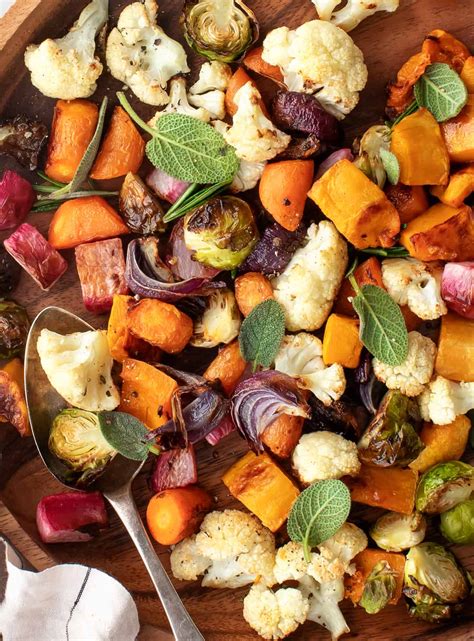
- Deepening Colors: White or pale vegetables like potatoes, cauliflower, or parsnips should transform into rich shades of golden, amber, or even dark brown in spots.
- Caramelized Edges: The edges and flatter surfaces of vegetables should show distinct browning or even a slight char. This indicates intense flavor development.
- Glossy Sheen: Often, perfectly caramelized vegetables will have a slight sheen, especially if roasted with a touch of oil.

Texture and Tenderness: Beyond the Browning
While browning is key, vegetables must also achieve a tender, yet not mushy, texture. This visual cue often goes hand-in-hand with the color change:
- Slight Shriveling: As vegetables roast and release moisture, you’ll notice a subtle shriveling or wrinkling of their skin. This is a good indicator that they’re softening and concentrating their flavors.
- Translucence: For certain vegetables like onions or bell peppers, their flesh may become slightly translucent, signaling that their cell walls have broken down sufficiently.
- Fork-Tender Appearance: Though you’ll want to test with a fork for absolute certainty, vegetables that are done will often look softer and more pliable, rather than rigid.
Crisp Edges and Concentrated Color
For many vegetables, particularly cruciferous ones like broccoli, Brussels sprouts, or even asparagus, look for slightly crisped edges and intensified color:
- Crisp Tips: Broccoli florets should have slightly browned, almost crispy tips. Brussels sprouts should have deliciously charred outer leaves.
- Brightened Colors: While browning is desired, the overall color of the vegetable should still be vibrant, or even more so than when raw. Green vegetables like asparagus or green beans will be an intense, deep green.

Variety Matters: A Quick Guide
- Root Vegetables (Carrots, Potatoes, Parsnips, Sweet Potatoes): Look for deep golden-brown, even slightly blackened spots, and a distinctly soft, almost yielding appearance.
- Cruciferous Vegetables (Broccoli, Cauliflower, Brussels Sprouts): Expect caramelized florets or leaves, some darker, almost charred tips, and a tender but not mushy core.
- Soft Vegetables (Bell Peppers, Zucchini, Asparagus, Onions): These will generally be tender with visible browning and slight wilting, but should retain some structural integrity. Their colors will often intensify.
Ultimately, a keen eye for color, texture, and subtle signs of dehydration will guide you to roasted vegetable perfection. Don’t be afraid to pull out a piece and taste it; after all, your palate is the ultimate judge!
Conclusion: Trust Your Eyes (and a Fork)
By paying close attention to these visual signals – the glorious golden-brown, the tender yield to a fork, and the subtle crisping – you’ll consistently achieve roasted vegetables that are not only delicious but also visually stunning. Move beyond timers and embrace the art of observation; your taste buds will thank you. Happy roasting!