What visual cues signal truly authentic local food spots for amazing foodie adventures?

Decoding Authenticity: Your Guide to Local Culinary Gems
For the intrepid foodie, there’s nothing quite like stumbling upon a hidden culinary gem – a place where the flavors are genuine, the ingredients are fresh, and the experience is a true reflection of local culture. But in a world often saturated with tourist traps, how do you visually distinguish the authentic from the artificial? It’s all about sharpening your observation skills and looking for subtle, yet powerful, visual cues.
The Local Crowd Test: Follow the Natives
One of the most reliable indicators of an authentic local eatery is its clientele. Do you see more locals than tourists? Are families gathered, friends laughing, and regulars engaging in comfortable conversation? A bustling establishment filled with neighborhood residents, especially during non-peak hours, often signals a place cherished by the community for its consistent quality and true local flavor. Long lines composed primarily of locals are also a very positive sign, indicating a spot worth the wait.

Unpretentious Aesthetics and Ambiance
Authentic local spots rarely prioritize flashy decor or over-the-top branding. Instead, look for an unpretentious, lived-in feel. This might manifest as simple furniture, well-worn tables, or a decor that tells a story rather than screams ‘newly renovated.’ Charm often comes from character, not polished surfaces. Hand-drawn signs, quirky local art, or even a slight disarray can be signs of a place focused more on its food and community than on superficial appearances.
Menu Boards and Signage Secrets
The menu itself can be a powerful visual cue. Is it handwritten? Is it short and focused, suggesting mastery of a few dishes rather than an encyclopedic offering? A menu predominantly in the local language, with perhaps a very basic English translation (or none at all), often points to a place catering primarily to its local community. Avoid multi-language menus with generic photos of dishes; these are classic red flags for tourist-oriented establishments.

Kitchen Transparency and Ingredient Clues
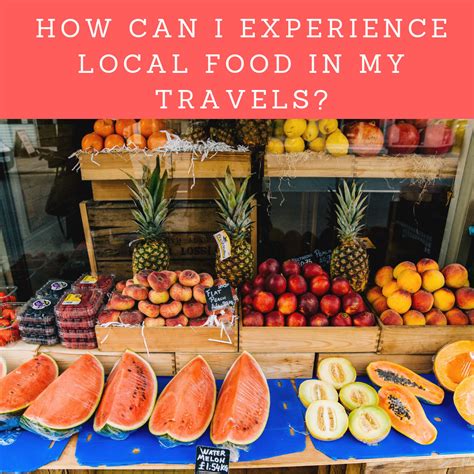
If you can catch a glimpse of the kitchen or food preparation area, observe what’s happening. Do you see fresh ingredients being handled? Are dishes prepared with care and attention? In many authentic street food stalls or smaller eateries, the cooking process is an open show, allowing you to see the freshness of produce and the skill of the chefs. Visible sacks of local grains, fresh seafood on ice, or vibrant produce baskets are all excellent indicators.
The Well-Worn Path and Humble Exteriors
Sometimes, the older, less flashy facade harbors the most authentic flavors. An establishment that looks like it’s been around for decades, perhaps with chipped paint or an unassuming entrance, often has a rich history and a loyal following that transcends aesthetics. Don’t be swayed by sleek, modern exteriors; true authenticity often lies behind a humble, well-loved storefront that blends seamlessly into the neighborhood rather than standing out with aggressive marketing.

Avoiding the Tourist Traps: Red Flags to Watch For
Conversely, certain visual cues should raise a red flag. Oversized, glossy photos of generic dishes outside, aggressive touts trying to pull you in, or menus translated into a dozen languages with exorbitant prices are usually signs of a place targeting transient visitors rather than local palates. These spots often prioritize profit over genuine culinary experience.

Conclusion: Trust Your Eyes, and Your Gut
Ultimately, finding truly authentic local food spots is an art form that combines keen observation with a willingness to explore. By paying attention to the local crowd, the unpretentious aesthetics, the menu’s authenticity, and the visible signs of fresh preparation, you can significantly increase your chances of discovering incredible foodie adventures. Let your eyes be your guide, and prepare for a delicious journey into the heart of local culture.