What visual cues tell me a recipe’s doneness is perfect, beyond just time?

While a recipe’s suggested cooking time offers a valuable guideline, experienced cooks know that true doneness often transcends the tick of a clock. Variations in ingredient temperature, oven calibration, pan type, and even humidity can all subtly alter cooking outcomes. This is where mastering the art of observation — specifically, understanding visual cues — becomes an invaluable skill. Learning to “read” your food empowers you to consistently achieve perfect results, ensuring everything from a perfectly risen cake to a tender-crisp vegetable.
The Limitations of Time and the Power of Sight
Relying solely on a timer can lead to undercooked or overcooked dishes. Instead, paying close attention to what your food looks like as it cooks provides a dynamic, real-time assessment of its state. Visual indicators like browning, bubbling, steaming, and changing textures are your primary allies in the kitchen, signaling chemical and physical transformations occurring within your ingredients.
For instance, surface browning, known as the Maillard reaction, indicates the development of complex flavors and aromas, often signaling a critical stage of doneness for many savory dishes and baked goods. Bubbling can show that liquids are evaporating or that internal temperatures are reaching boiling points, while subtle changes in sheen or opacity speak volumes about moisture content and internal structure.
Unlocking Doneness in Baked Goods
Baked goods offer a rich tapestry of visual cues. For cakes and muffins, a golden-brown top and edges that pull slightly away from the pan are classic indicators. The surface should spring back gently when lightly touched, and a skewer or toothpick inserted into the center should come out clean (for most recipes, though some, like brownies, might have moist crumbs). Cookies are often done when their edges are golden-brown and set, even if their centers still look a little soft – they will firm up as they cool.

Breads, similarly, will develop a deep, rich brown crust and often sound hollow when tapped on the bottom. The crust itself will be firm and resistant, not soft or doughy. Paying attention to how evenly the color develops across the surface can also tell you about hot spots in your oven and inform future adjustments.
Mastering Meats and Poultry
For meats and poultry, visual cues are paramount, though often best combined with temperature checks for safety. Externally, a beautiful sear or char indicates flavor development. Internally, changes in color are key: pork and chicken should lose all pinkness and turn opaque white or light brown throughout (again, a thermometer is vital for safety here). Beef and lamb offer a spectrum, from bright red for rare to gray-brown for well-done, with varying degrees of pink in between. The juices that run from cooked meat can also be an indicator – clear juices usually signify doneness, while pink or bloody juices suggest further cooking is needed.
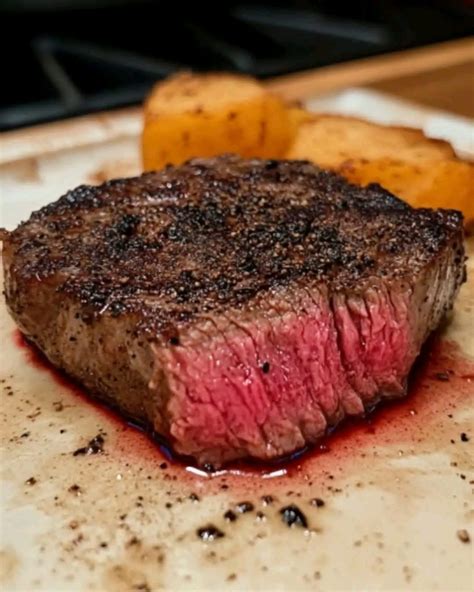
The texture can also be visually perceived; a steak that looks firm and slightly shrunken around the edges is often more done than one that appears plump and jiggly. Poultry skin will become crisp and deeply golden when perfectly cooked, with the underlying meat looking tender and opaque.
Vegetables, Sauces, and Grains: A Symphony of Sight
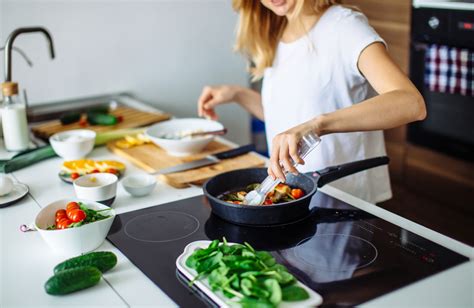
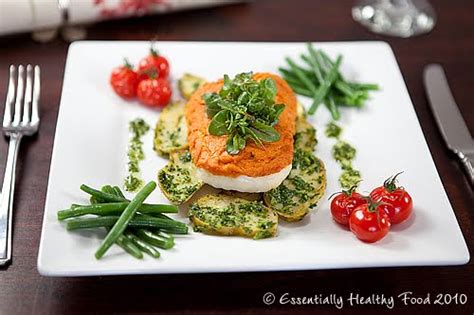
Vegetables typically signal doneness by changing in color and texture. Bright green vegetables like broccoli or asparagus turn a more vibrant green just before they start to dull and soften too much – aim for that peak vibrancy for tender-crisp perfection. Root vegetables will often soften and caramelize, developing slight browning on their edges when roasted. A healthy char on grilled vegetables signifies intense flavor development without necessarily being overcooked.

Sauces and soups thicken as they cook, often developing a noticeable sheen or coating the back of a spoon. Reduction is a key visual cue here, as the volume decreases and the consistency becomes richer. Grains like rice or quinoa absorb liquid and plump up, separating into distinct kernels when properly cooked, rather than being sticky or clumpy. Pasta achieves “al dente” when it’s still firm to the bite but no longer chalky white in the center when broken.
Beyond a Single Glimpse: Combining Your Senses
While visual cues are powerful, doneness is truly confirmed when you engage multiple senses. Smell can tell you if something is burning or if savory aromas are fully developed. Sound – the sizzle of searing meat, the gentle bubbling of a sauce, the hollow tap of a finished loaf – provides valuable clues. Touch, too, plays a role, whether it’s the springiness of a cake or the firmness of a steak (though be careful with hot food!). Learning to integrate these sensory inputs with what you see creates a comprehensive understanding of your dish’s progression.
Ultimately, becoming adept at recognizing doneness through visual cues is a skill honed through practice and observation. The more you cook and consciously pay attention to how ingredients transform, the more intuitive it becomes. Ditch the rigid reliance on the timer and trust your eyes – they are often the best indicators for achieving culinary perfection.