What visual cues tell real foodies a street food stall is truly authentic?

For the true foodie, the quest for authentic street food is an adventure in itself, a culinary treasure hunt that often begins long before the first bite. While the aroma might draw you in, it’s the visual landscape of a street food stall that provides the most telling clues about its legitimacy and deliciousness. Discerning diners develop an almost sixth sense, picking up on subtle indicators that separate the tourist trap from the true local gem. So, what exactly are these visual cues that whisper ‘authentic’ to the experienced palate?
The Buzz of Locals: A True Authenticity Meter
The most immediate and undeniable sign of an authentic street food stall is its clientele. If the line is long and predominantly filled with locals – not just fellow tourists – you’re likely onto something special. Locals know where the good food is; they’re repeat customers, drawn by consistent quality and flavor. A stall bustling with regulars is a living endorsement, a testament to its genuine appeal within the community. Pay attention to the demographics of the crowd; a sea of local faces usually means you’re in the right place.
Specialization Over Sprawl: The Focused Menu
Authenticity often thrives in specialization. A stall with a very short, focused menu, perhaps featuring just one or two signature dishes, speaks volumes. This indicates mastery over a particular craft, a dedication to perfecting a handful of items rather than spreading efforts thin across a vast, generic offering. When a vendor has spent years perfecting a single noodle soup, a specific type of taco, or one unique dumpling, the results are almost always superior. Avoid stalls with laminated menus featuring pictures of every cuisine under the sun; these are often a red flag.
The Patina of Time: Equipment and Setup
Take a good look at the stall itself. Authentic street food operations often bear the marks of time and continuous use. Worn cutting boards, blackened woks, a seasoned grill, or a well-loved soup pot with a beautiful patina are not signs of neglect, but rather badges of honor. They tell a story of countless meals prepared, flavors infused into the very tools of the trade. Conversely, a stall that looks too new, too pristine, or overly generic might lack the history and soul that define true authenticity. The setup should look functional, efficient, and lived-in.

Freshness on Display: Ingredients and Preparation
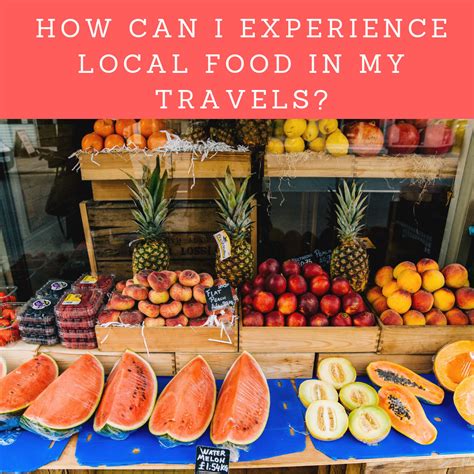
Authentic vendors pride themselves on fresh ingredients. Look for stalls where ingredients are openly displayed, fresh and vibrant, and where food preparation happens right before your eyes. Seeing vegetables being chopped, dough being kneaded, or meat being grilled à la minute instills confidence. Transparency in the cooking process is a huge indicator of quality and freshness. If ingredients are hidden away, or if food looks like it’s been sitting out for too long, it might be best to move on.
The Chef’s Dance: Dedication and Craft
Observe the person behind the counter. A dedicated street food chef often exhibits a quiet intensity, a practiced rhythm, and a deep familiarity with their craft. Their movements are efficient, their focus unwavering. They aren’t trying to upsell or perform; they are simply creating delicious food with pride. The chef’s demeanor, their interaction (or lack thereof, if they’re busy perfecting a dish), and their overall command of their workspace can communicate a deep passion and commitment to their culinary art.
Beyond the Gimmicks: Subtle Marketing
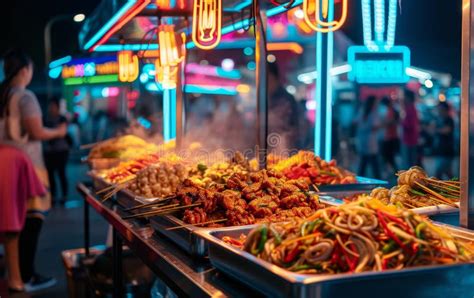
Truly authentic street food stalls rarely rely on flashy signs, neon lights, or aggressive touting to attract customers. Their ‘marketing’ is word-of-mouth and the irresistible aroma wafting down the street. If a stall has overly elaborate English menus, professional-looking marketing materials, or someone aggressively trying to pull you in, it’s often a sign that they’re catering primarily to tourists rather than upholding a local tradition of quality. The food, not the fanfare, should be the star.
Practical Cleanliness: An Honest Assessment
While street food hygiene standards vary globally, it’s important to distinguish between ‘hospital clean’ and ‘practically clean.’ An authentic stall might not be sparkling, but it should appear organized, with clear separation between raw and cooked ingredients, and visible efforts to maintain a reasonable level of cleanliness during food handling. Watch how they manage waste, clean surfaces, and handle money. Trust your gut: if something looks genuinely unsanitary, it probably is. But don’t let a little grime (the good kind, from consistent cooking!) deter you.

Mastering these visual cues is an invaluable skill for any foodie embarking on a street food adventure. By observing the crowds, the menu, the equipment, the ingredients, and the chef, you unlock a deeper understanding of the local food scene and significantly increase your chances of discovering those unforgettable, truly authentic culinary experiences that make travel so rewarding.