What visual elements in Bites truly convert real foodies to recipe explorers?

In the vibrant digital landscape of food media, short, captivating ‘Bites’ – be they images, GIFs, or brief videos – are the primary gateways to culinary inspiration. For food brands, content creators, and home cooks alike, the ultimate goal isn’t just to make viewers salivate, but to transition them from passive admiration to active recipe exploration. This article dissects the specific visual elements that truly resonate with discerning foodies, prompting them to click, save, and ultimately, embark on their own cooking adventures.
The Irresistible Charm of Authenticity and Realism
Gone are the days when overly styled, hyper-perfect food photos held sole dominion. Modern foodies, especially those who cook regularly, are drawn to authenticity. This means embracing natural lighting that showcases the true colors and textures of ingredients, rather than artificial studio setups. Imperfections, such as a slightly bubbling sauce, a sprinkle of flour on the countertop, or a perfectly browned (not burnt) crust, signal a dish that’s real, approachable, and achievable in a home kitchen. Visuals that feel ‘lived-in’ and genuine foster a sense of trust and connection.

Highlighting Texture, Movement, and Culinary Technique
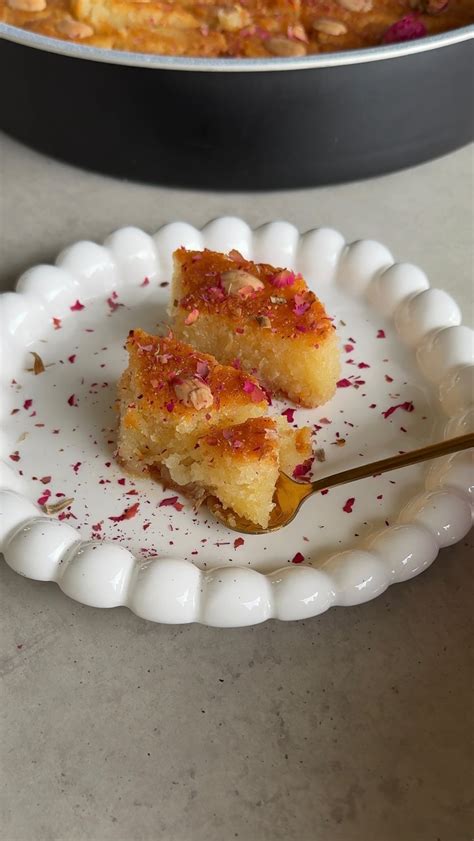
Beyond mere appearance, the visual depiction of texture is paramount. A glistening sauce, the crisp shatter of a freshly baked cookie, the tender flakiness of a fish, or the rich creaminess of a dessert—these tactile cues are powerful conversion tools. Video bites excel here, capturing steam rising from a hot dish, cheese pulls, or the satisfying sizzle of ingredients. Dynamic visuals that show the cooking process—a deft chop, a smooth stir, a perfect flip—not only educate but also empower viewers, making complex recipes seem attainable. These ‘action shots’ spark curiosity about the ‘how-to’ rather than just the ‘what’.
The Art of Plating and Composition
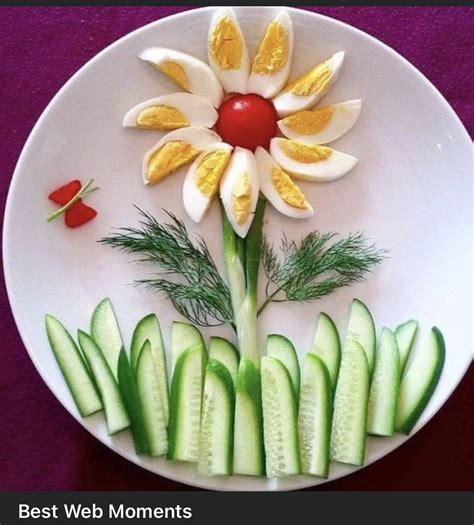
While authenticity is key, thoughtful presentation elevates a dish from delicious to desired. Foodies appreciate the artistry involved in plating, even for simple meals. Visuals that demonstrate a thoughtful arrangement, balanced colors, and strategic garnishes make the final product look restaurant-worthy yet accessible. Elements like a contrasting background, purposeful negative space, or the careful layering of ingredients communicate care and expertise, subtly suggesting that the recipe itself is equally well-crafted. This appeals to the foodie’s desire for an elevated dining experience, even at home.
Storytelling Through Process and Transformation
One of the most effective ways to convert a foodie into an explorer is by telling a visual story. This can be achieved through ‘before and after’ shots, showcasing raw ingredients transforming into a magnificent meal, or sequential process shots that break down a recipe’s steps. Seeing the journey, rather than just the destination, demystifies cooking. It builds confidence by illustrating that the impressive final dish is the result of manageable, clear steps. Visual narratives that emphasize ease, simplicity, or a clever hack are particularly compelling for inspiring direct action.
The Relatability Factor: User-Generated and Lifestyle Content
In an increasingly social media-driven world, visuals that feel relatable often have the highest conversion power. This includes user-generated content (UGC) where real people are seen preparing or enjoying the food, or lifestyle shots that place the dish within an aspirational yet attainable context—a cozy dinner, a vibrant picnic, a shared meal with friends. Seeing others succeed with a recipe, or enjoying the fruits of their labor, acts as a powerful social proof. These visuals connect on an emotional level, moving viewers from ‘I want that’ to ‘I can make that’ and ‘I want that experience’.
Conclusion
Ultimately, converting real foodies into active recipe explorers through visual ‘Bites’ is a nuanced art that blends authenticity with aspiration. It’s about more than just a pretty picture; it’s about conveying texture, technique, presentation, and the story behind the food. By focusing on realism, highlighting crucial culinary details, demonstrating thoughtful plating, telling a visual journey, and fostering relatability, content creators can craft ‘Bites’ that don’t just tempt the eyes, but inspire the hands to cook and explore.