What visual hook for a “Bite” best drives foodies to click your full recipe?
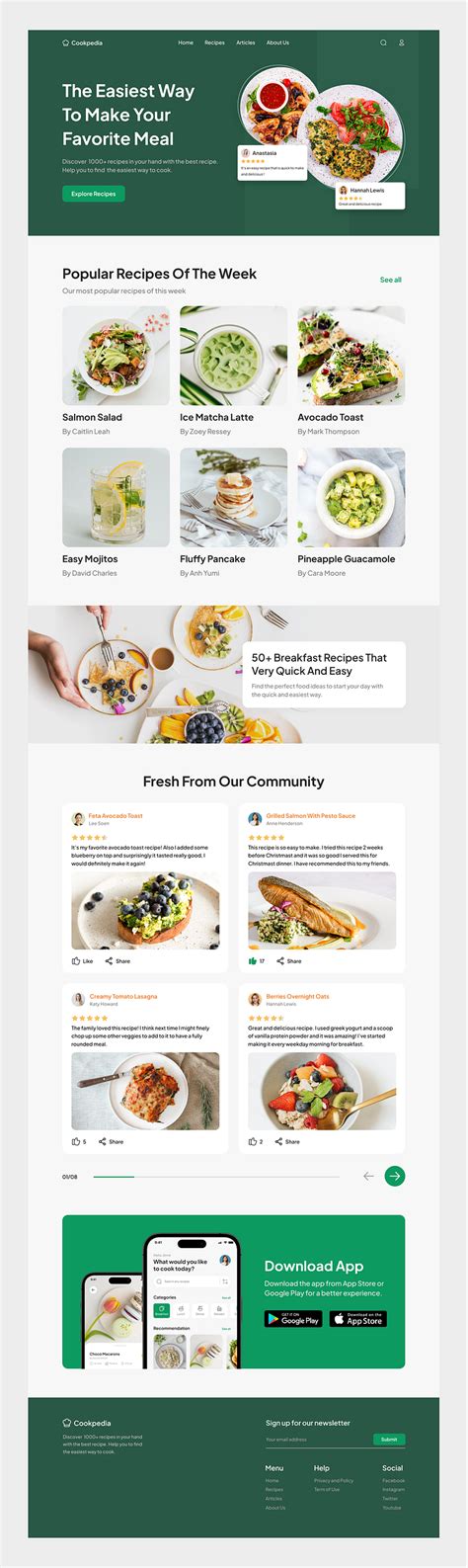
In the fast-paced world of digital food content, a mere glimpse is often all you get to capture a foodie’s attention. A “bite” – whether a quick photo or a short video clip – must do more than just look appealing; it needs to create an immediate, undeniable craving that translates into a click-through to your full recipe. But what specific visual elements are most potent in driving that desired action?
Beyond Just Pretty: The Science of Clickable Food Visuals
It’s no longer enough to simply present a beautiful dish. The most effective visual hooks tell a story, evoke a sensory experience, and promise a rewarding culinary journey. High-quality photography and videography are foundational, emphasizing sharp focus, natural lighting, and a compelling composition that highlights the star of the show. Think about the emotional connection – does your visual make someone nostalgic, excited, or simply hungry?
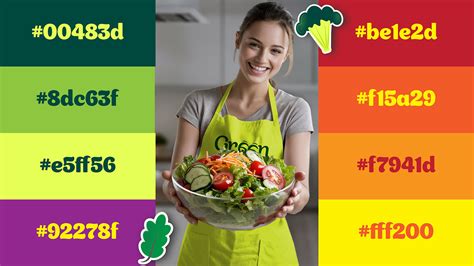
Color theory plays a significant role here. Vibrant, fresh colors often suggest health and freshness, while rich, warm tones can convey comfort and indulgence. Understanding how your chosen color palette interacts with the food itself can profoundly impact a viewer’s subconscious decision to engage further.
Highlighting Texture and Key Ingredients
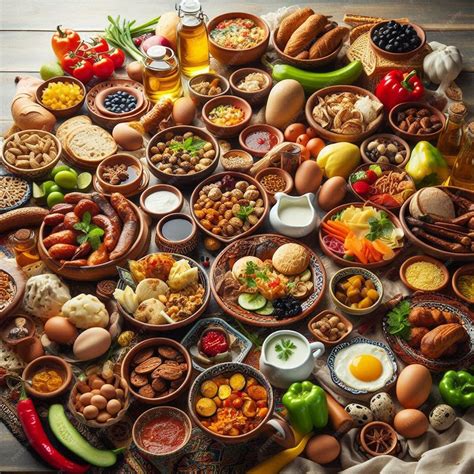
Food is a multi-sensory experience, and your visual hook should tap into that. One of the most powerful drivers for recipe clicks is the tangible appeal of texture. Showcase that gooey cheese pull, the crispy crust, the glistening sauce, or the delicate crumble of a pastry. These are the details that make viewers almost taste the food through their screens. Don’t be afraid to get a close-up that emphasizes these mouth-watering qualities.
Furthermore, if your recipe features a unique or particularly appealing ingredient, make it prominent. A perfectly ripe avocado in a guacamole shot, plump berries atop a dessert, or exotic spices subtly layered can pique curiosity and signal quality, making the viewer eager to know how these elements come together in your full recipe.
The Power of Movement and Dynamic Action Shots
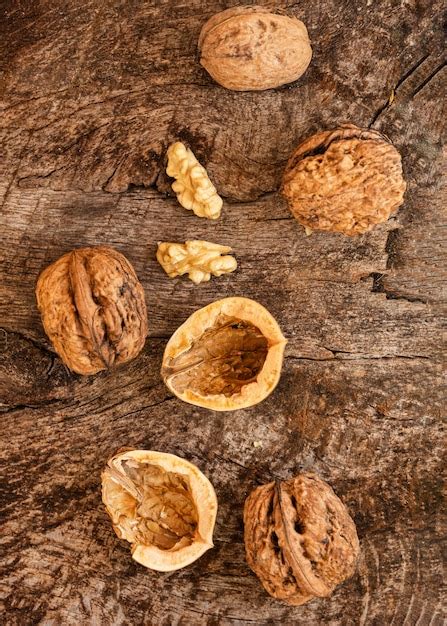
For video bites, movement is your secret weapon. A slow-motion pour of sauce, a sprinkle of fresh herbs, the gentle stirring of a creamy soup, or the satisfying slice through a perfectly cooked piece of meat can be incredibly captivating. These action shots create a sense of immediacy and reveal the delightful process, making the end result even more appealing. Even in still photography, implying movement or capturing a moment just before an action can add dynamic energy.
These dynamic elements don’t just show the food; they show the experience of preparing or enjoying it, making the viewer feel like they are part of the moment and inspiring them to recreate it.
![[100+] Food 4k Wallpapers | Wallpapers.com](/images/aHR0cHM6Ly90czMubW0uYmluZy5uZXQvdGg/aWQ9T0lQLnVULWJsZFVKdTY2T0hKWEZndmlOT0FIYUVLJnBpZD0xNS4x.webp)
Creating a “Wow” Factor: Unexpected Angles and Unique Twists
In a saturated market, standing out is crucial. Consider unexpected angles, creative plating, or unique props that add personality without distracting from the food. Sometimes, a slightly unconventional twist – a surprising ingredient combination hinted at, or an innovative serving suggestion – can be the hook that differentiates your content and drives clicks. The goal is to make viewers pause and think, “I haven’t seen that before!” or “I need to know how to make that!”
Subtle storytelling through your visual can also build anticipation. A beautifully styled scene might suggest a cozy brunch, an elegant dinner party, or a vibrant summer picnic, adding context and making the recipe feel more aspirational.
The Subtle Art of the Call to Action
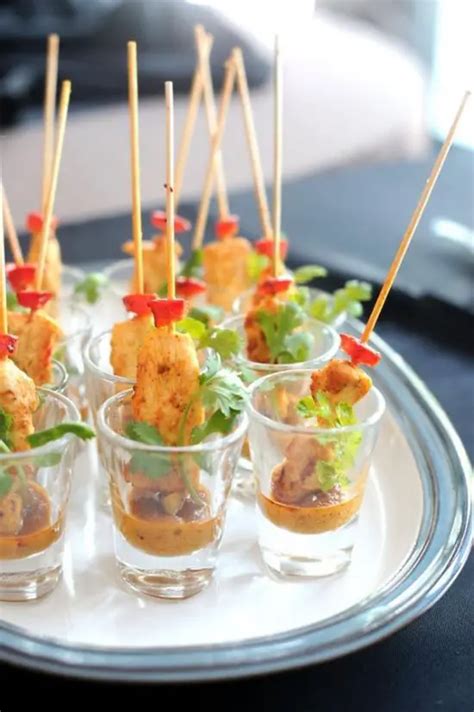
While the visual itself is the primary hook, a well-placed, subtle call to action can reinforce the viewer’s desire to click. This could be text overlay suggesting “Tap for the full recipe!” or a voiceover in a video. However, often the most powerful call to action is implicit: the visual is so compelling that the viewer instinctively seeks out more information.
Analyzing your audience’s preferences through engagement metrics is also key. What types of visuals perform best? Which textures or dishes consistently drive the most clicks? Leveraging this data allows you to refine your strategy and consistently produce more effective visual bites.
Conclusion: Crafting Irresistible Visual Narratives
Ultimately, the most effective visual hook for a food “bite” combines high-quality aesthetics with sensory appeal, dynamic elements, and a dash of unique personality. By focusing on rich textures, mouth-watering ingredients, engaging actions, and thoughtful composition, you can transform a fleeting glimpse into an irresistible invitation, compelling foodies to dive deeper into your culinary world and discover the full recipe.