What visual plating hacks make everyday healthy meals look gourmet for real foodies?

For true foodies, the enjoyment of a meal extends far beyond taste and nutrition; it’s a multi-sensory experience where visual appeal plays a starring role. Even the most wholesome, everyday healthy meals can transform into culinary masterpieces with a few smart plating techniques. You don’t need a Michelin star kitchen to make your broccoli and chicken look like it came from one. It’s all about understanding the psychology of presentation.
The Foundation: Understanding Your Canvas
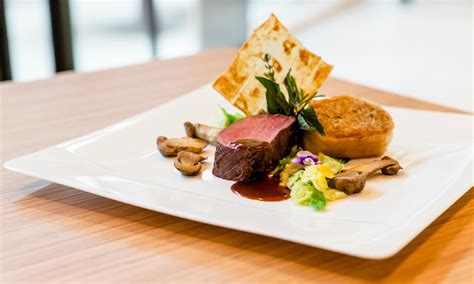
Think of your plate as a blank canvas. The first step to gourmet plating is selecting the right plate itself. White plates often work best as they provide a neutral background, allowing the colors of your food to pop. Consider the size and shape – too large a plate can make a portion look meager, while too small can appear cluttered. Aim for a balance, leaving some negative space around your food to create a sense of elegance and highlight individual components.
Mastering the Art of Arrangement and Height
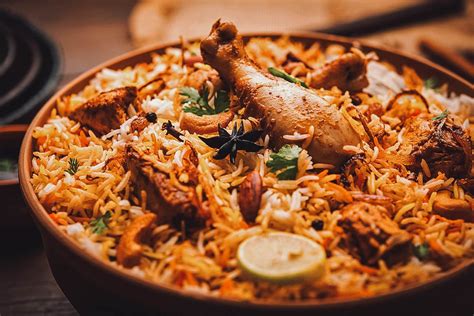
The way you arrange components on the plate can drastically alter its perception. Instead of simply piling ingredients, think about creating visual interest through deliberate placement. A classic hack is the “rule of odds” – arranging ingredients in odd numbers (e.g., three asparagus spears, five cherry tomatoes) often looks more natural and appealing than even numbers. Focus on creating a focal point, perhaps with your protein or a vibrant vegetable, and build around it.
Adding height is another secret weapon. Instead of laying everything flat, stack components (like a neat pile of roasted vegetables or a small tower of grains with a protein on top). This creates dynamism and a professional touch. Even a simple lean of sliced avocado against a piece of salmon can elevate the dish significantly.
Playing with Color and Contrast
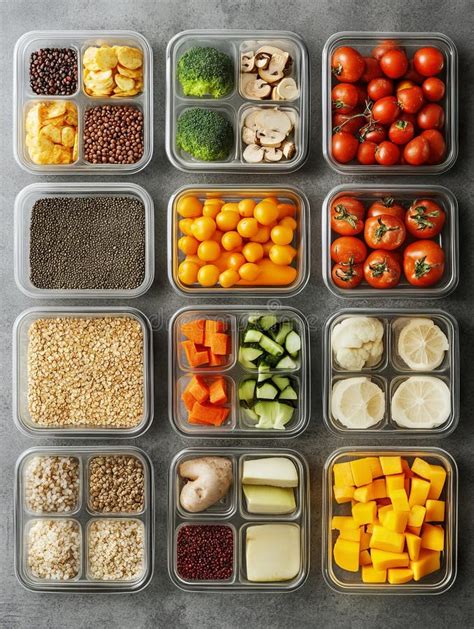
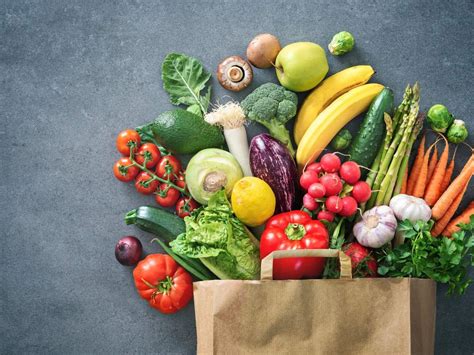
Nature provides an incredible palette, and healthy meals are often bursting with natural colors. Maximize this by incorporating a variety of colorful ingredients. Think vibrant reds from bell peppers, deep greens from leafy vegetables, bright oranges from carrots, and rich purples from berries or beets. Contrasting colors can make each component stand out more effectively. For instance, a bright green pesto drizzled over a creamy white pasta, or a sprinkle of fresh red chili flakes on a green salad.

Texture and Shape: Adding Sensory Depth
Beyond color, varying textures and shapes adds another layer of sophistication. Consider how different cooking methods create different textures: crispy roasted vegetables, creamy purees, crunchy nuts, or tender proteins. Use your knife skills to create interesting shapes – precise dices, elegant julienned strips, or artful wedges. A mix of soft and crisp elements on the same plate is always a winner.
The Magic of Sauces, Swipes, and Drizzles
Sauces aren’t just for flavor; they’re an artistic medium. Instead of drowning your food, use sauces strategically. A delicate drizzle across the plate, a graceful swipe with the back of a spoon, or small, artful dots can transform a simple dish. Use squeeze bottles for precision, or a spoon to create controlled patterns. The key is moderation – the sauce should enhance, not overpower, the visual appeal and the dish itself.

Garnish with Purpose: The Finishing Touch
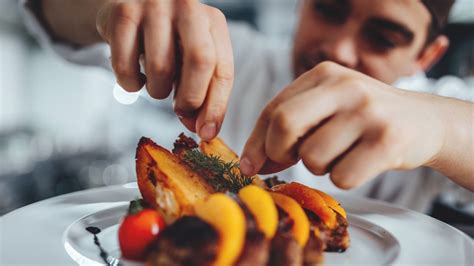
Garnishes are the jewellery of your dish, but they should always serve a purpose – either visual or flavor-wise. Fresh herbs like parsley, cilantro, or dill add a pop of green and aromatic freshness. Edible flowers can bring an unexpected touch of elegance. A sprinkle of toasted seeds, a dash of paprika, or a lemon wedge can complete the picture. Remember, less is often more; a single well-placed sprig of thyme can be more impactful than a scattering of random greens.
Embrace the Process: Practice Makes Perfect
Transforming everyday healthy meals into gourmet delights is a journey of creativity and practice. Start with one or two hacks, like adding height or focusing on color contrast, and gradually incorporate more techniques. Pay attention to how chefs plate dishes in restaurants or online for inspiration. Soon, you’ll find yourself intuitively arranging food in ways that not only look incredible but also enhance the entire dining experience. Your taste buds and your camera will thank you!