What visual plating hacks make everyday healthy real food meals look gourmet?

Elevate Your Everyday: The Art of Gourmet Plating for Healthy Meals
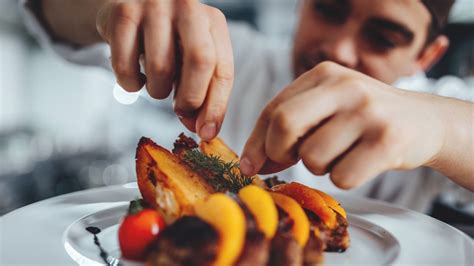
In a world increasingly focused on wellness and nutrition, healthy eating has become a cornerstone of a balanced lifestyle. Yet, many associate “healthy food” with bland, utilitarian plates. The truth is, eating well doesn’t have to sacrifice aesthetic appeal. With a few clever visual plating hacks, you can transform your wholesome, real food meals into culinary masterpieces that rival any restaurant dish, making healthy eating not just enjoyable, but truly inspiring.
Why Plating Matters: Beyond Just Looks
The saying “we eat with our eyes first” holds profound truth. A beautifully plated meal doesn’t just look good; it enhances the entire dining experience. It stimulates appetite, heightens perceived flavor, and even makes you more mindful of what you’re eating. When healthy food looks appealing, you’re more likely to enjoy it, stick to your dietary goals, and perhaps even impress your dinner guests without needing complex cooking techniques.
The Core Principles of Gourmet Plating
1. Color Contrast and Balance
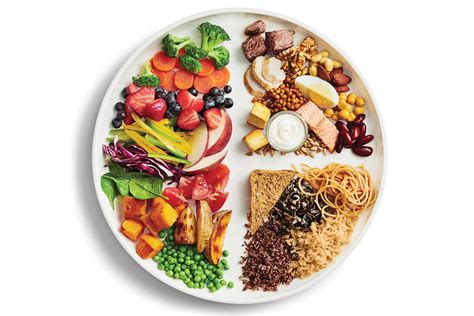
Healthy meals, by nature, often burst with vibrant colors from vegetables, fruits, and lean proteins. Harness this. Aim for a spectrum of colors on your plate. If your main component is monochromatic (e.g., roasted chicken), add a bright green garnish, a pop of red from tomatoes, or an orange swirl of carrot puree. Think about balancing warm and cool tones.
2. Texture Variation
A gourmet plate isn’t just visually appealing; it promises a delightful textural journey. Combine soft elements (like a creamy sauce or mashed sweet potato) with crunchy components (toasted nuts, crispy kale, fresh sprouts) and chewy textures (grains, roasted vegetables). This contrast keeps each bite interesting and satisfying.
3. Height and Dimension
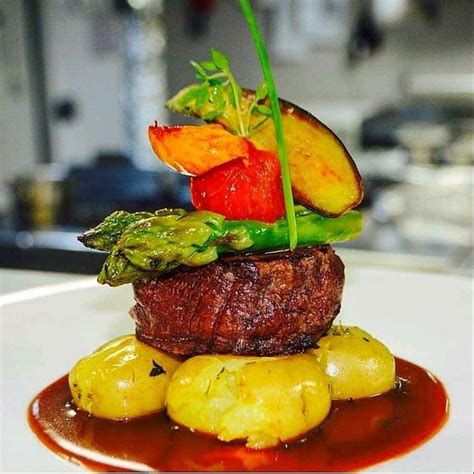
Flat food is boring food. Introduce height to your plate by stacking ingredients intentionally. A tower of roasted vegetables, a carefully mounded grain, or even leaning components against each other can add impressive dimension. Use molds or ring cutters for perfect circles, or simply build upwards with your main protein as the base.
4. Embrace Negative Space
Don’t overcrowd the plate. Negative space, the empty areas on your plate, is crucial for elegance. It allows each component to stand out and gives the dish a clean, sophisticated feel. Think of the plate as a canvas, and your food as the art – leave some breathing room around your masterpiece.
Practical Hacks to Elevate Your Everyday Meals
1. The “Rule of Odds”
When arranging smaller items (like cherry tomatoes, potato wedges, or shrimp), group them in odd numbers (3, 5, 7). This creates a more dynamic and visually appealing arrangement than even numbers, which can look too symmetrical and static.
2. Thoughtful Cuts and Shapes
Instead of haphazardly chopped vegetables, try uniform dicing, julienning, or diagonal cuts. Consider using a crinkle cutter for fun edges on carrots or potatoes. Precision in cutting shows care and elevates the dish immediately.
3. Sauces and Drizzles with Finesse
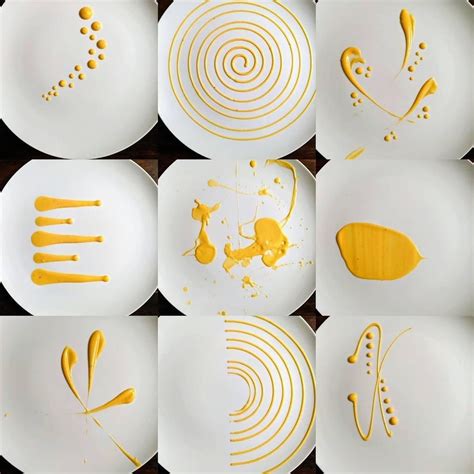
Transform a simple sauce into a design element. Use a spoon to create a graceful swoosh across the plate, or drizzle dots around your main components. A squeeze bottle can help with more intricate patterns. Remember, less is often more – a concentrated burst of flavor and color is more effective than a messy flood.
4. Layering and Stacking
Instead of mixing everything, layer components. For a salad, start with greens, then layer your protein, vegetables, and toppings on top. For grains, place the grain, then carefully arrange protein and vegetables over or around it. This creates visual interest and makes each ingredient discernible.
5. The Right Plate as Your Canvas
Choose your plates wisely. White plates are often preferred by chefs because they make colors pop. Consider different shapes – square plates can offer a modern edge, while classic round plates are timeless. The size of the plate is also key; a larger plate with strategic negative space feels more gourmet than a small, overflowing one.
Finishing Touches: The Garnish Game Changer
A simple garnish can take a dish from good to gourmet. Think fresh herbs (parsley, cilantro, dill), microgreens, toasted seeds (sesame, chia), a sprinkle of edible flowers, or a grind of fresh black pepper. These add freshness, color, and often an extra layer of flavor and texture. Even a final drizzle of high-quality olive oil or a balsamic glaze can make a significant difference.
Conclusion: Experiment and Enjoy the Process
Transforming your everyday healthy meals into gourmet spectacles doesn’t require advanced culinary training. It’s about mindfulness, creativity, and applying a few simple visual hacks. Start by focusing on one or two principles at a time, observe how chefs plate dishes, and don’t be afraid to experiment. The goal is to make healthy eating a more beautiful and enjoyable experience, one stunning plate at a time.