What visual plating techniques elevate basic recipes for stunning foodie feeds?
Transforming Everyday Dishes into Visual Masterpieces
In the age of social media, how a dish looks is almost as important as how it tastes. For aspiring home chefs and seasoned foodies alike, mastering visual plating techniques can turn a basic recipe into a stunning ‘foodie feed’ sensation. It’s about more than just arranging food; it’s about telling a story, enticing the senses, and elevating the entire dining experience before the first bite.
The Art of Negative Space and Focal Point
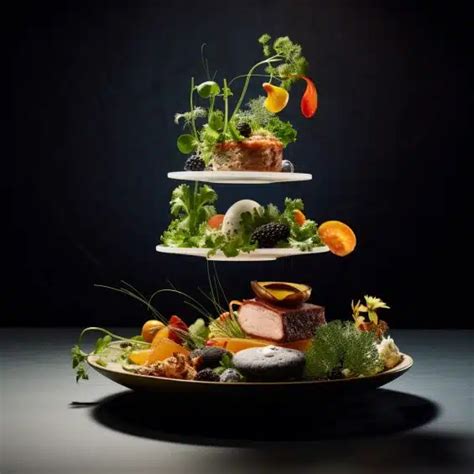
One of the foundational principles of professional plating is the strategic use of negative space. Instead of crowding the plate, leave some areas empty. This creates a sense of elegance and allows the eye to focus on the main elements of the dish. Think of your plate as a canvas, where the food is the art. Identify a clear focal point – perhaps the most vibrant component or the perfectly cooked protein – and build your presentation around it, ensuring it commands attention.
Playing with Color, Contrast, and Texture
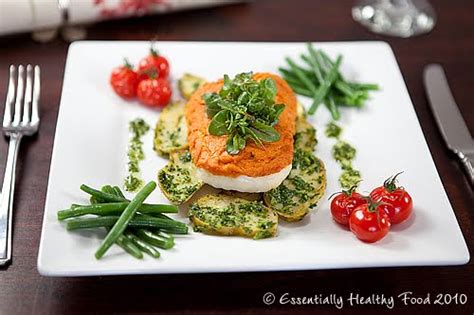
A visually appealing dish is a feast for the eyes, often achieved through a thoughtful interplay of colors, contrasts, and textures. Basic recipes can be dramatically improved by introducing components with vibrant hues – think fresh herbs, colorful vegetables, or a brightly colored sauce. Contrast isn’t just about color; it’s also about texture. Pairing something creamy with something crispy, or a smooth purée with a crunchy garnish, adds dynamic interest and complexity to the plate.
Achieving Height and Dimension
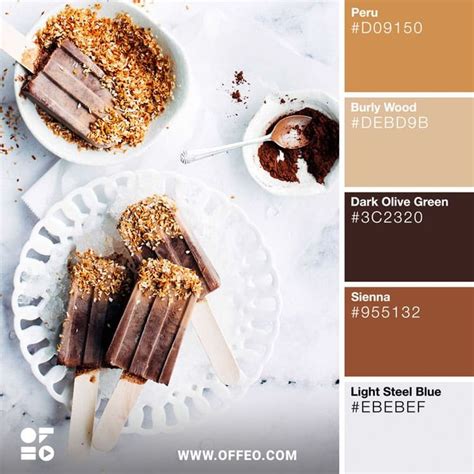
Flat dishes rarely excite. Adding height and dimension can instantly make a plate look more sophisticated and gourmet. Techniques like stacking components (e.g., polenta cakes, layered vegetables), leaning ingredients against each other, or using ring molds to create neat, elevated structures can transform the perception of a simple meal. Even a spoonful of a side dish placed artfully can add a subtle rise.
The Power of Garnishes and Sauces
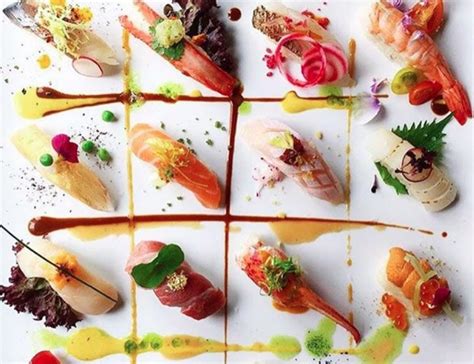
Garnishes are not just an afterthought; they are the finishing touches that can elevate a dish from good to extraordinary. A sprinkle of fresh microgreens, a perfectly placed edible flower, a dusting of spices, or a delicate drizzle of sauce can add professional flair. Sauces, applied with a squeeze bottle or a spoon, can be used to create artistic smears, dots, or swirls, adding both flavor and visual flow to the plate. Remember, less is often more when it comes to garnishing – keep it purposeful and complementary to the dish.
Consider the Vessel and Composition
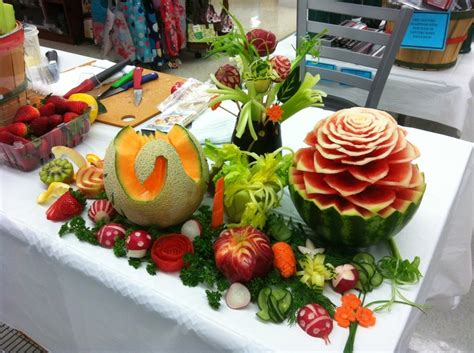
The plate itself plays a crucial role. White plates often make colors pop, while different shapes (round, square, rectangular) can inspire unique plating strategies. When composing your dish, consider the rule of thirds or an off-center approach rather than placing everything squarely in the middle. Asymmetry can create a more dynamic and artistic presentation. Think about how the elements lead the eye across the plate.
Practical Tips for Stunning Feeds
- Clean Edges: Always wipe the rim of the plate clean before serving.
- Temperature: Serve hot food hot and cold food cold; it affects presentation.
- Practice: The more you experiment with different arrangements, the better you’ll become.
- Simple Tools: Tongs, squeeze bottles, and small offset spatulas are invaluable.
Elevating basic recipes for stunning foodie feeds is an enjoyable journey of creativity and attention to detail. By applying these visual plating techniques – focusing on negative space, embracing color and texture, building height, and using garnishes wisely – you can transform your everyday cooking into Instagram-worthy culinary art that tastes as good as it looks.