What visual plating tips make any home-cooked dish Instagram-ready?
In the age of social media, a delicious meal isn’t just about taste; it’s also about how it looks. Turning your humble home-cooked dish into an Instagram-ready masterpiece doesn’t require a culinary degree or fancy restaurant equipment. With a few thoughtful visual plating tips, you can elevate your food’s presentation and impress your followers (and your dinner guests!).
Choose Your Canvas Wisely: The Plate
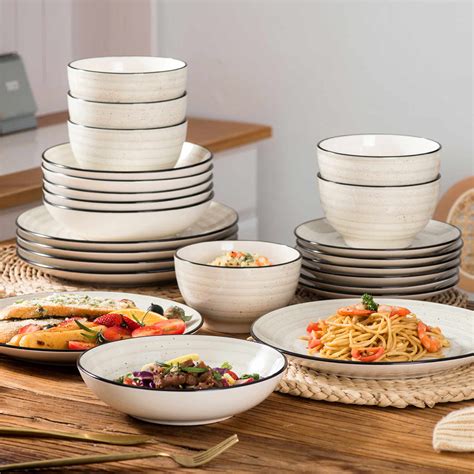
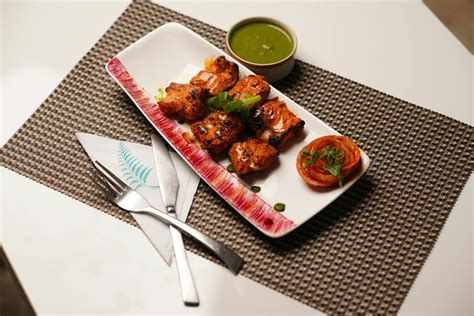
The foundation of any great plating job starts with the plate itself. Think of it as the canvas for your edible art. Opt for simple, neutral-colored plates (white, cream, or slate grey) as they allow the vibrant colors of your food to truly pop. Avoid overly busy patterns that can distract from the dish. Consider the size of your plate too; a larger plate provides more negative space, making the portion appear more elegant and intentional, rather than crammed.
Embrace Color and Contrast
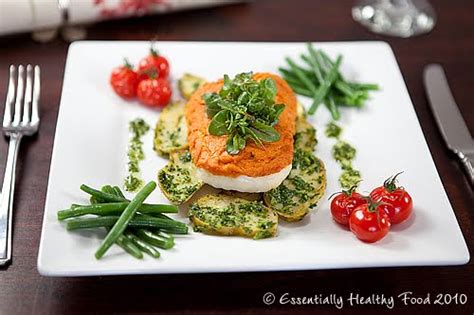
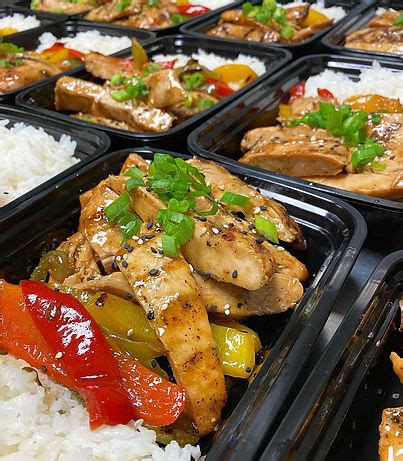
Food is naturally beautiful, and a great plate highlights this. Use a variety of colorful ingredients to create visual interest. Think about contrasting colors—a bright green herb against a rich red sauce, or vibrant orange carrots next to a dark protein. Don’t be afraid to incorporate fresh vegetables, fruits, or even edible flowers to add bursts of color and freshness. The goal is to make the dish visually exciting and appetizing.
Build Height and Texture
Flat food can look uninspired. Add dimension to your dish by building height. This can be achieved by stacking ingredients strategically, creating small mounds, or leaning components against each other. For example, instead of spreading pasta flat, twirl it into a neat mound. Layering different textures also adds appeal—a crispy element next to something smooth, or a creamy sauce drizzled over a robust protein. This creates a more dynamic and engaging presentation.
Master the Art of Negative Space and the Rule of Odds
Less is often more when it comes to plating. Don’t overcrowd your plate. Leaving ample “negative space” around your food makes the dish look more sophisticated and allows each component to stand out. Additionally, culinary composition often benefits from the “rule of odds”—arranging elements in odd numbers (e.g., three asparagus spears, five shrimp) tends to be more aesthetically pleasing and natural to the eye than even numbers.

The Finishing Touches: Sauces and Garnishes
Sauces aren’t just for flavor; they’re also a powerful plating tool. Instead of pouring sauce all over your dish, consider drizzling it artfully, creating swirls, or placing a dollop strategically to complement a specific ingredient. Garnishes are the jewelry of your dish. A sprinkle of fresh herbs, a zest of citrus, a drizzle of olive oil, or a few toasted nuts can add a professional finish, extra texture, and a pop of color that elevates the entire presentation. Ensure your garnishes are relevant to the dish’s flavor profile.
Cleanliness and Precision
No matter how well you’ve arranged your food, smudges, spills, or stray crumbs can ruin the effect. Before serving, always take a moment to wipe the rim of your plate clean with a damp cloth. Precision in placement and neatness in execution are hallmarks of professional plating that can easily be replicated at home. A clean plate truly makes your dish shine.
Conclusion
Transforming your home-cooked meals into Instagram-ready masterpieces is an achievable goal with a little practice and attention to detail. By focusing on the right plate, balancing colors and textures, creating height, utilizing negative space, and adding thoughtful garnishes, you can turn everyday dishes into visual delights. So, next time you cook, take a moment to plate with purpose – your camera (and your taste buds!) will thank you.