What visual plating tips make healthy home-cooked meals truly pop in photos?

In an age where food is often as much a feast for the eyes as it is for the palate, presenting healthy home-cooked meals beautifully is key, especially when sharing them online. It’s not just about gourmet restaurants anymore; even a simple salad or a nourishing stir-fry can look incredibly appealing with a few thoughtful plating tricks. Making your healthy creations ‘pop’ in photos isn’t just for food bloggers—it’s about celebrating your culinary efforts and inspiring others to eat well.
The Power of Color and Contrast
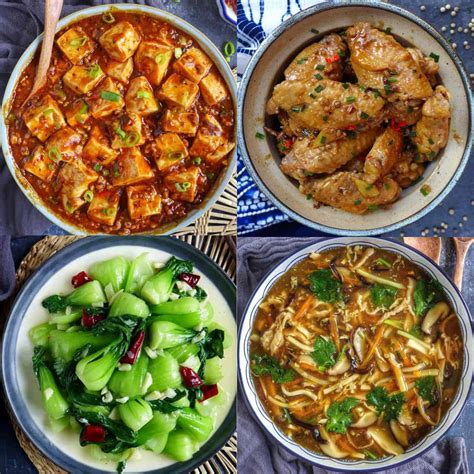
Healthy meals are often naturally vibrant, thanks to an abundance of fruits and vegetables. Harness this inherent beauty by thinking about color contrast. A plate that features a mix of reds, greens, yellows, and purples will always be more eye-catching than a monochromatic one. Consider pairing darker proteins with brighter vegetables, or vibrant sauces with milder-colored bases.
Vibrant Veggies are Your Best Friends
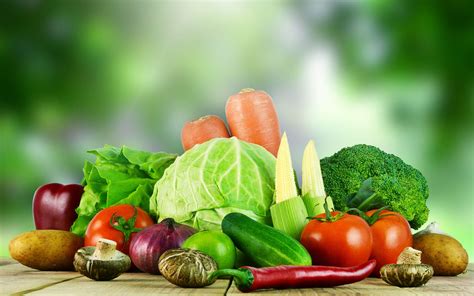
Broccoli, bell peppers, carrots, beets, and leafy greens aren’t just nutritious; they’re your primary palette. Steam or roast them to retain their natural color and arrange them to create a visual mosaic. Don’t be afraid to use a splash of contrasting color from a surprising source, like a sprinkle of pomegranate seeds on a green salad.
Strategic Sauces and Drizzles
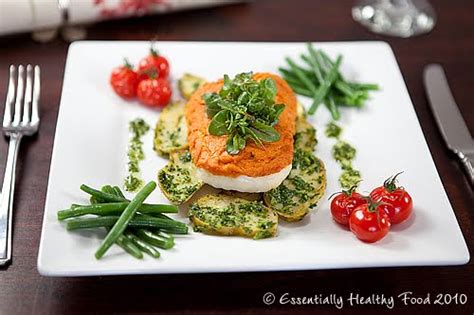
A drizzle of olive oil, a swirl of balsamic glaze, a dollop of a brightly colored sauce (like pesto or a red pepper coulis) can add both flavor and a powerful visual accent. Use a spoon or a squeeze bottle to create intentional lines or dots rather than just pouring haphazardly.

Mastering Texture and Dimension
A flat-looking meal rarely photographs well. Introduce different textures to create visual interest and depth. Think about crunch, creaminess, crispness, and tenderness.
Crunch, Cream, and Crisp
A salad benefits from crunchy nuts or croutons. A soup can be topped with a swirl of cream or crispy fried onions. Roasted vegetables can offer a delightful crispness against a tender protein. These varying textures not only improve the eating experience but also make the dish more appealing to the eye.
Building Up, Not Out
Instead of spreading your food across the entire plate, consider building a little height. Stack ingredients neatly, or create a small “mountain” of grain with a protein resting beside it. This adds a three-dimensional quality that looks far more dynamic in photos.
Composition: Arranging Your Edible Art
The way you arrange elements on your plate can dramatically impact its photographic appeal. Think of your plate as a canvas and your food as the paint.
The Rule of Odds and Thirds
Instead of even numbers, aim for odd numbers of items (e.g., three asparagus spears instead of four). This creates a more dynamic and less static composition. Applying the “rule of thirds” from photography can also guide your placement, imagining a tic-tac-toe grid on your plate and placing key elements along the lines or at their intersections.
Negative Space for Impact
Don’t overcrowd the plate. Allowing some “breathing room” or negative space around your main elements makes the dish look more refined and highlights the food itself. It guides the viewer’s eye to what’s important.
The Magic of Garnishes
Garnishes are the finishing touch that can transform a good-looking dish into a great one. They add freshness, color, and often another layer of texture.
Fresh Herbs and Zesty Citrus
A sprinkle of fresh parsley, cilantro, dill, or mint can instantly brighten a dish. A wedge or zest of lemon or lime not only adds a pop of color but also a burst of aroma and flavor that hints at deliciousness. These simple additions signify freshness and care.
Seeds, Nuts, and Edible Flowers
Toasted sesame seeds, chia seeds, chopped nuts, or even a few edible flowers can add beautiful texture and color. They’re often associated with healthy eating and visually communicate the nutritious aspects of your meal.
Choosing the Right Canvas: Dishware and Background
The plate itself and its surroundings are integral to the overall visual presentation.
Simple, Subtlety, and Size
Opt for simple, neutral-colored dishware (white, off-white, grey, or dark tones) that won’t compete with the food. The size of the plate matters too; a larger plate with a modest portion leaves more negative space, creating an illusion of elegance and focus. Avoid overly patterned or brightly colored plates that distract.
Beyond the Plate: Props and Backdrop
Consider the background and any subtle props. A wooden cutting board, a linen napkin, or a simple utensil can add context and depth without overpowering the food. Natural light is almost always your best friend for food photography; position your plate near a window for soft, diffused lighting.

Conclusion
Turning healthy home-cooked meals into photographic masterpieces is an achievable goal for any home cook. By paying attention to color, texture, composition, garnishes, and the right dishware, you can transform your everyday meals into visual delights. These simple plating tips not only make your food look more appealing in photos but also enhance the overall dining experience, proving that healthy eating can be both delicious and beautiful.