What visual plating tips make simple real food dishes irresistible?

The Secret Ingredient: Visual Appeal
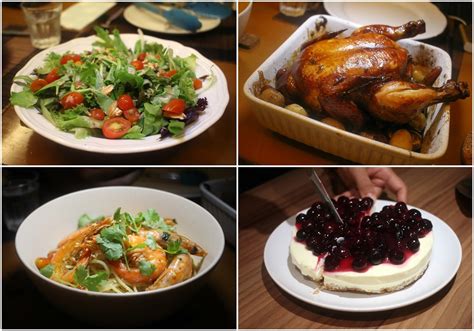
It’s often said we eat with our eyes first, and this couldn’t be truer, even for the most humble home-cooked meals. While gourmet plating might seem daunting, simple real food dishes can become truly irresistible with just a few mindful visual plating techniques. Elevating your everyday meals from ‘good’ to ‘gorgeous’ isn’t about fancy ingredients, but about understanding how presentation impacts perception and enjoyment.
Embrace Color and Contrast
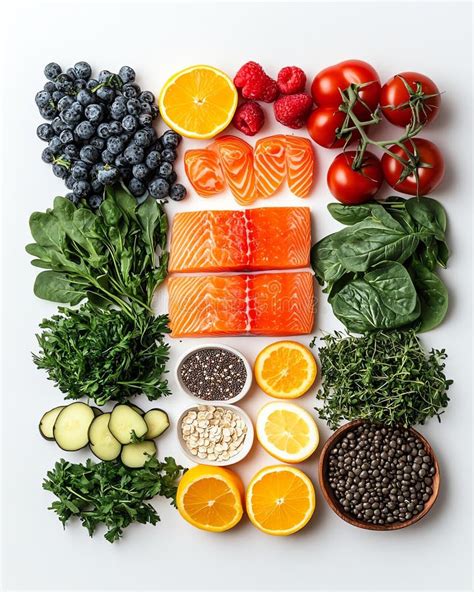
One of the easiest ways to make a dish pop is by incorporating a variety of colors. Monochromatic meals, while potentially delicious, often lack visual excitement. Think about adding vibrant elements like fresh herbs, brightly colored vegetables (red bell peppers, cherry tomatoes, green beans), or a splash of a contrasting sauce. Aim for a balanced palette that makes the dish look fresh and appealing.
Contrast isn’t just about color; it’s also about light and dark. A bright sauce on a darker protein, or a dark sprinkle (like toasted nuts or black sesame seeds) on a light background, can create visual interest and draw the eye.
Create Texture and Height
Flat food can be boring. Introducing varying textures adds depth and excitement to a plate. Consider crunchy elements (croutons, toasted seeds, crispy fried onions) alongside softer components (purees, tender meats, creamy sauces). Building height on the plate also makes a dish look more sophisticated and appealing. This can be achieved by stacking ingredients, leaning them against each other, or mounding them artfully. A simple way to add height is by placing your main protein on a bed of greens or a vegetable puree.
Master Arrangement and Negative Space
Think of your plate as a canvas. Instead of just dumping ingredients, arrange them purposefully. The ‘rule of thirds’ often used in photography can apply here – placing key elements off-center can create a more dynamic and interesting composition than a perfectly centered pile. Asymmetrical arrangements can be very pleasing.
Equally important is negative space – the empty area on the plate. Don’t crowd your plate with food. Leaving some white space around your components makes the dish look more refined, less overwhelming, and allows each element to stand out. It guides the eye and prevents a cluttered look.
The Art of Garnish and Finishing Touches
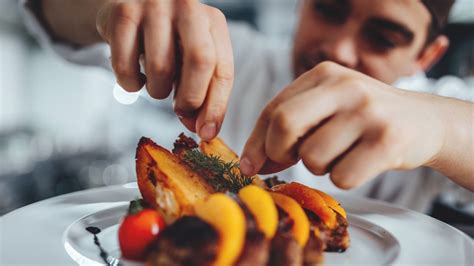
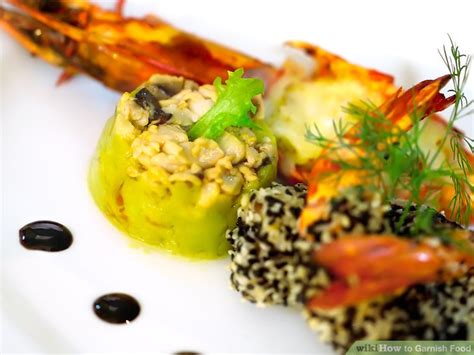
Garnish isn’t just for restaurants; it’s the jewelry of your dish. A simple sprig of fresh parsley, a few cilantro leaves, a sprinkle of chives, or a dash of paprika can instantly elevate a dish. Consider a light drizzle of high-quality olive oil, a sprinkle of flaky sea salt, or a grind of black pepper just before serving. Sauces can also be applied artfully, perhaps a swirl, a series of dots, or a delicate drizzle across the plate, rather than just pooling at the bottom.
Keep it Clean and Simple
No matter how beautifully arranged your food is, a messy plate rim can detract from the entire presentation. Always take a moment to wipe the edges of your plate clean with a paper towel before serving. Avoid over-garnish or piling too many elements on the plate. Often, less is more. A clean, uncluttered plate with thoughtfully placed components will always look more appealing than an overly busy one.

Making your simple real food dishes irresistible through visual plating is a skill that develops with practice. It’s about paying attention to details, experimenting with arrangement, and having fun with the creative process. By incorporating these tips, you’ll not only make your food look incredible but also enhance the entire dining experience for yourself and your loved ones.