What visual red flags scream ‘tourist trap’ on food adventures?

Embarking on a food adventure in a new city or country is one of the most exciting aspects of travel. The tantalizing promise of authentic flavors, unique ingredients, and a true taste of local culture is often a major draw. However, alongside these culinary gems lurk numerous tourist traps designed to separate you from your money with mediocre food and inflated prices. The good news is that many of these establishments give themselves away with glaring visual red flags.
Overly Aggressive Solicitation & Location Clues
One of the most immediate visual giveaways is an overly aggressive approach from staff trying to pull you in from the street. If someone is practically accosting you with a menu, promising the ‘best food in the city’ in multiple languages, proceed with extreme caution. Genuine, popular local eateries rarely need to resort to such tactics; their reputation speaks for itself, and often, you’ll see locals patiently waiting for a table.
Additionally, consider the location. Restaurants directly abutting major tourist landmarks (e.g., right next to the Eiffel Tower, Colosseum, or Times Square) are prime real estate for tourist traps. While convenient, the convenience often comes at the cost of authenticity and quality, with prices inflated purely for the view or proximity.
Generic Decor & Multilingual Menus
Take a peek inside. Does the decor feel generic, plastic, and devoid of any local character? If it could be any restaurant anywhere in the world, that’s a warning sign. Authentic local spots often have a distinct ambiance, reflecting the region’s culture, history, or even just a well-worn, beloved feel from years of local patronage.
The menu itself is a treasure trove of clues. While a few key translations are helpful, a glossy, laminated menu with dozens of pages, generic stock photos of food, and translations into five or more languages is a massive red flag. Even worse if the photos look nothing like what’s served, or if the dishes are described in overly simplistic, unappetizing terms.
Inflated Prices & Lack of Local Patrons
Scan the prices. Do they seem significantly higher than what you’d expect for the type of food, especially compared to eateries just a block or two away from the main tourist drag? Tourist traps bank on travelers not knowing local price points. A quick comparison with a reputable local guide or app can confirm your suspicions.
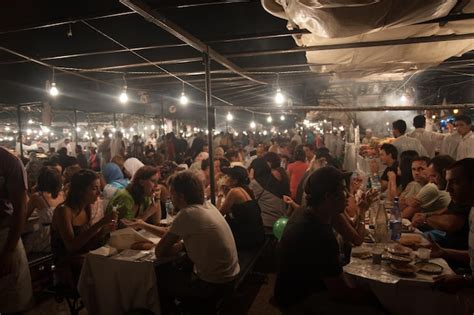
Perhaps the biggest visual indicator is the clientele. Look inside: who is eating there? If you see a restaurant full exclusively of other tourists, speaking various languages but none of the local tongue, that’s a strong sign it caters specifically to visitors. Locals are often the best critics; if they’re not eating there, there’s likely a good reason.
Suspicious Dish Offerings & ‘Combo’ Meals
Be wary of menus that offer a bewildering array of international dishes alongside a few token ‘local’ options. A truly authentic local restaurant will usually specialize in the cuisine of its region, not attempt to be all things to all people. Furthermore, watch out for ‘combo’ meals heavily pushed for tourists – like a ‘traditional local dish’ served with fries and a soda, a common tactic to maximize profit with low-quality ingredients.
Similarly, if a restaurant is advertising ‘authentic’ food with neon signs, flashing lights, or overly dramatic presentation (e.g., a giant chef statue outside), it’s often trying too hard to sell an experience rather than focusing on the quality of the food itself. Simplicity and confidence in their cooking are hallmarks of good local establishments.
Lack of ‘Buzz’ During Peak Hours
Finally, observe the ‘buzz’ of a place. If it’s prime lunch or dinner hour and a large, centrally located restaurant is eerily quiet, with empty tables and bored-looking staff, that’s a major warning sign. Authentic, high-quality local establishments are often bustling and lively during peak times, even if they require a short wait. A lack of activity suggests a lack of returning customers and local appeal.
By keeping an eye out for these visual red flags, you can significantly improve your chances of finding genuine culinary delights on your travels and avoid the disappointment (and expense) of a tourist trap. Trust your instincts, look where the locals eat, and your food adventures will be all the more rewarding.