What visual techniques elevate food Visual Bites from good to crave-worthy for foodies?
The Irresistible Allure of Visual Bites
In the digital age, a picture is often the first taste foodies get of a dish. Moving beyond mere representation, truly crave-worthy food visuals—often dubbed ‘Visual Bites’—are masterpieces of sensory evocation, designed to trigger hunger, nostalgia, and an immediate desire to experience the food firsthand. But what exactly separates a good food photo from one that makes mouths water and compels immediate action? It’s a precise blend of artistic techniques that transform simple ingredients into an irresistible feast for the eyes.
Mastering Light: The Ultimate Flavor Enhancer
Light is perhaps the single most crucial element in food photography. It can make a dish look fresh and vibrant or dull and unappetizing. Natural light, especially soft diffused light from a window, is often preferred for its ability to create gentle shadows and highlight textures. Backlighting can make liquids glow and textures pop, giving food an ethereal, inviting quality. Strategic use of hard light, on the other hand, can create dramatic shadows and a sense of moodiness, perfect for rich, indulgent dishes. The right lighting sculpts the food, emphasizing its best features and making it appear more dimensional and appealing.
Composition and Angle: Crafting the Perfect Frame
How a dish is framed and from what perspective can dramatically impact its desirability. A classic overhead ‘flat lay’ angle works wonders for showcasing a variety of dishes or intricate plating. Eye-level shots are intimate, inviting viewers to imagine themselves at the table. A 45-degree angle often mimics a diner’s perspective, providing a natural and appealing view. Utilizing the rule of thirds, leading lines, and negative space helps guide the viewer’s eye, creating a balanced and aesthetically pleasing image. Close-ups can magnify tantalizing details—the glistening sauce, the crisp crust, the delicate garnish—making the viewer almost feel they can reach out and touch the food.
The Art of Food Styling and Props
Food styling is the unsung hero behind many crave-worthy visuals. It involves everything from the deliberate placement of each ingredient on the plate to the selection of background elements and props. Garnishes are not just decorative; they add pops of color and freshness. Deliberate messiness, like a sprinkle of herbs or a drip of sauce, can make a dish feel authentic and approachable. Props such as rustic cutting boards, vintage cutlery, or a subtly blurred background with complementary textures create a narrative, adding context and making the food feel part of a larger, appealing experience rather than just an isolated object.

Color Theory, Texture, and Movement
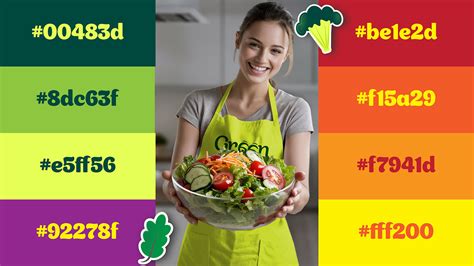
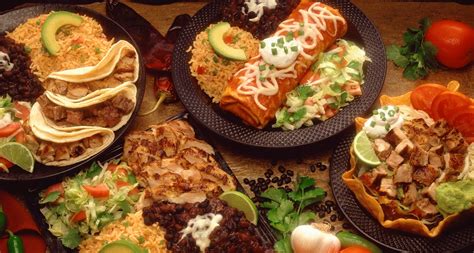
Vibrant colors are inherently appetizing. A balanced palette with contrasting hues (e.g., bright green herbs against a rich red sauce) makes food visually pop. Beyond color, texture plays a huge role; the visual representation of a crispy skin, a creamy filling, or a flaky pastry immediately communicates a desirable mouthfeel. Incorporating subtle movement, such as a wisp of steam rising from a hot dish, a sprinkle of cheese, or a drizzle of dressing, adds dynamic energy and a sense of immediacy, making the food seem alive and fresh out of the kitchen.
The Final Polish: Post-Production Magic
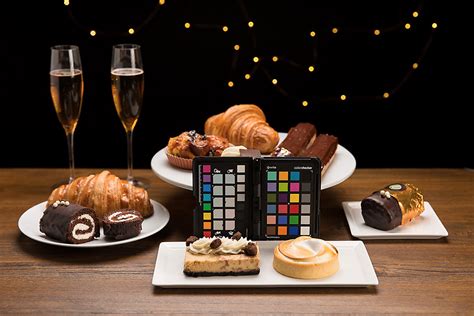
While the foundation of a great Visual Bite is laid during shooting and styling, post-production is where the magic truly happens. Careful editing can enhance colors, adjust contrast, sharpen details, and correct imperfections. Selective focus, often achieved through a shallow depth of field during shooting or subtle blurring in post-production (bokeh), helps isolate the main subject and draw the viewer’s eye directly to the most appetizing part of the dish. Professional color grading ensures that the food looks its most vibrant and true-to-life, transforming a good shot into a truly irresistible one.

Conclusion: A Recipe for Crave-Worthy Content
Elevating a food visual from merely good to undeniably crave-worthy is a meticulous art that combines technical prowess with creative intuition. It’s about more than just showing food; it’s about telling a story, evoking emotion, and stimulating the senses long before a fork meets a plate. By thoughtfully applying techniques in lighting, composition, styling, and post-production, creators can craft Visual Bites that not only capture attention but also ignite an insatiable desire, making every foodie’s culinary dreams feel just a screen tap away.