What visual & text overlay best practices boost recipe Visual Bite engagement on mobile feeds?
Capturing Attention: The Art of Visual Bites on Mobile Feeds
In the fast-paced world of mobile scrolling, culinary content faces fierce competition for attention. Recipe “Visual Bites” – short, engaging visual snippets designed to showcase food and cooking – are potent tools for captivating audiences, but only if executed with precision. Boosting engagement requires a strategic blend of stunning visuals and impactful text overlays, tailored specifically for the mobile experience.
Mastering the Visual Hook: Quality and Composition
The foundation of any successful Visual Bite is the visual itself. On a tiny mobile screen, clarity, appeal, and immediate recognition are paramount. High-resolution photography or videography is non-negotiable; grainy or poorly lit shots are instant scroll-stoppers. Focus on a vibrant, appetizing hero shot of the finished dish, or dynamic clips that highlight key ingredients and mouth-watering textures during the cooking process.
- Lighting: Utilize natural light whenever possible to make food look fresh and inviting.
- Composition: Use the rule of thirds or leading lines to draw the eye to the most appealing part of the dish.
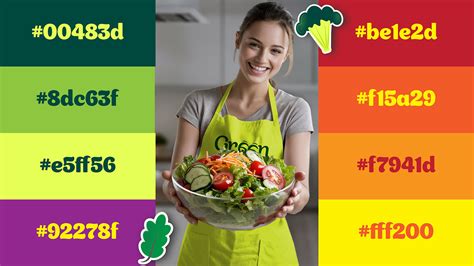
- Color Palette: Bright, appealing colors naturally attract attention. Ensure food pops against its background.
- Authenticity: While polished, Visual Bites should still feel achievable and real, fostering a connection with the viewer.
Crafting Compelling Text Overlays for Impact
Once the visual has caught the eye, the text overlay provides crucial context and encourages further interaction. This isn’t a place for lengthy paragraphs; brevity and clarity are key. Text overlays should enhance the visual, not compete with it, and deliver immediate value.

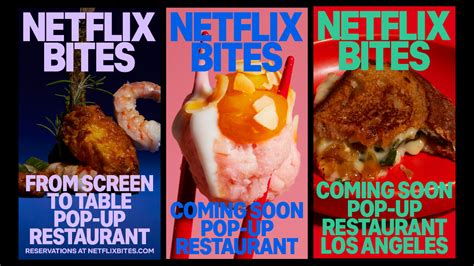
- Legibility First: Choose clear, sans-serif fonts that are easy to read on small screens. Ensure sufficient contrast between the text and background, using outlines or background boxes if necessary.
- Concise Messaging: Highlight the recipe’s name, a key benefit (e.g., “30-Minute Weeknight Meal,” “Vegan Delight”), or a teaser for a unique ingredient. Avoid overcrowding the screen with too many words.
- Strategic Placement: Place text in ‘safe zones’ that don’t obscure the most appealing parts of the food or critical visual information. Consider where a user’s thumb might naturally rest.
- Call to Action (Implicit/Explicit): While a direct CTA isn’t always needed for a “Bite,” the text should implicitly invite further action, like “Save this recipe” or “Tap for full instructions.”
- Brand Consistency: Maintain consistent font styles, colors, and tone across all your Visual Bites to build brand recognition.
Mobile-First Design: Optimizing for the Small Screen
Every element of your Visual Bite must be designed with the mobile user in mind. This means more than just shrinking a desktop design; it requires a fundamental shift in approach.
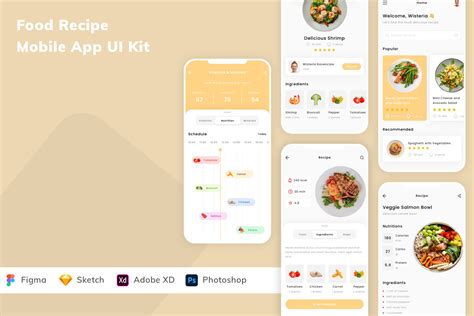
- Aspect Ratio: Optimize for vertical formats (e.g., 9:16) common on platforms like Instagram Reels, TikTok, and YouTube Shorts. This fills the mobile screen, creating an immersive experience.
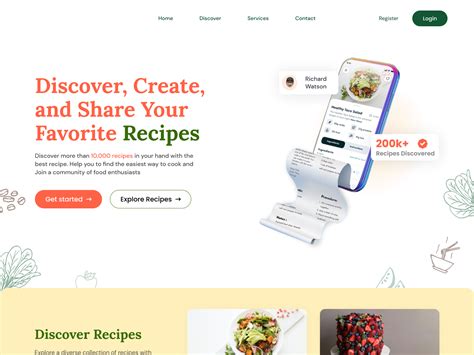
- Text Size and Spacing: Text must be large enough to be effortlessly read without squinting. Ample line spacing and character spacing improve readability.
- Speed and Efficiency: For video Visual Bites, get straight to the point within the first few seconds. For images, ensure they load quickly.
- Accessibility: Consider users with visual impairments. High contrast and clear text benefit everyone.
Recipe-Specific Strategies for Engagement
When it comes to recipe content, the goal is to inspire culinary action. Your Visual Bites should be mini-storytellers for your dishes.
- Highlight Key Ingredients: Visually showcase unique or star ingredients. A quick flash of a fresh herb or an exotic spice can intrigue.
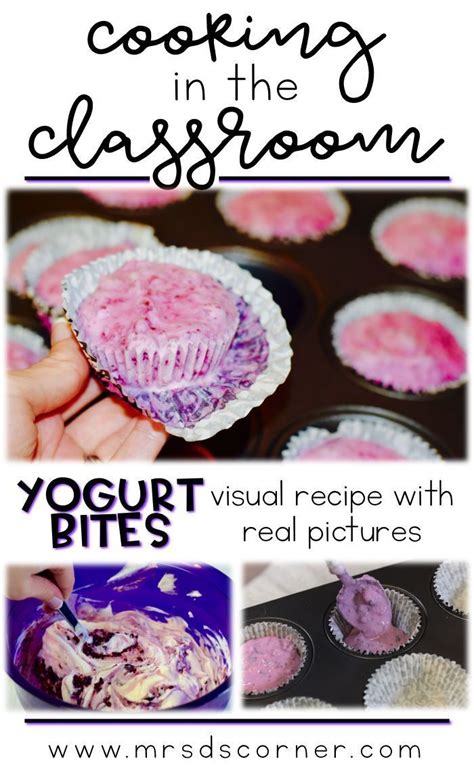
- Show Don’t Tell Steps: For short video bites, demonstrate a crucial technique or a quick overview of the most satisfying steps (e.g., mixing, plating).
- Emphasize the ‘Why’: Is it quick? Healthy? Indulgent? Use text overlays to convey the primary benefit or emotion associated with the recipe.
- Create Desire: The ultimate goal is to make viewers hungry and eager to try the recipe themselves. Focus on the delicious outcome.
Conclusion
Boosting recipe Visual Bite engagement on mobile feeds is an art form that combines visual appeal with strategic communication. By prioritizing high-quality, mobile-optimized visuals and crafting concise, legible text overlays, creators can transform passive scrollers into active participants. Implement these best practices to ensure your culinary content not only stops the scroll but also inspires the cook.