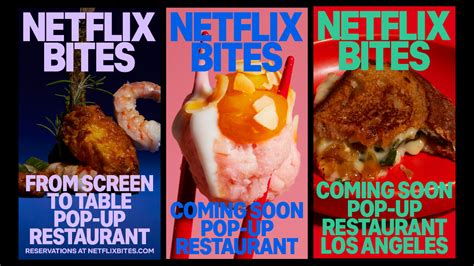
What visual tricks make food Bites instantly clickable for real foodies?
Real foodies don’t just eat with their mouths; they feast first with their eyes. In the bustling digital world, where countless culinary creations vie for attention, merely good-looking food isn’t enough. To truly stand out and achieve instant clickability, a dish needs to tell a compelling visual story that sparks desire and commands attention. For content creators, understanding these visual tricks is the secret ingredient to turning casual browsers into captivated followers and loyal customers.
The Art of Plating: Composing Edible Masterpieces
Presentation is paramount. A truly clickable food bite begins long before the camera comes out, with the intentional arrangement of every ingredient on the plate. Think of your dish as a canvas. Employ the rule of thirds to create balanced yet dynamic compositions, ensuring your focal point isn’t dead center. Utilize negative space strategically to allow the hero elements to breathe and shine, drawing the viewer’s eye exactly where you want it.
Consider height and layers to add dimension and visual interest. A flat dish often looks less appealing than one with varying levels, creating shadows and highlights that add depth. Whether you opt for elegant symmetry or a more organic, artful asymmetry, every component should contribute to the overall visual harmony and tell part of the dish’s story.
Lighting is Everything: Crafting the Golden Glow
No amount of plating artistry can save a poorly lit photograph. Mastering lighting is arguably the single most important visual trick. Natural light is almost always your best friend – soft, diffused light from a window can transform a dish from dull to dazzling. Avoid harsh direct sunlight, which creates unflattering shadows and blown-out highlights. Instead, position your dish near a window, using side or backlighting to enhance textures and add a beautiful rim light around your food.
Backlighting, in particular, can make liquids shimmer and edges glow, lending a professional, ethereal quality to your images. If natural light isn’t available, invest in softboxes or diffusers to mimic its effect, ensuring your food looks fresh, vibrant, and utterly appetizing.
A Feast for the Eyes: Color, Texture, and Contrast
Beyond composition and lighting, the inherent visual qualities of the food itself play a crucial role. Vibrant, fresh colors immediately signal deliciousness and health. Incorporate a spectrum of hues where appropriate, ensuring they complement rather than clash. Think about garnishes like fresh herbs, colorful spices, or a drizzle of contrasting sauce to elevate the visual appeal.
Texture is another powerful tool. A mix of smooth sauces, crunchy elements, soft proteins, and glistening glazes adds depth and tactile temptation. High contrast – both in color and brightness – makes elements pop and prevents your image from appearing flat. A bright sauce on a dark plate, or a crisp topping on a creamy base, creates an immediate visual draw that foodies can’t resist.
Setting the Scene: Thoughtful Props and Backgrounds
The environment surrounding your food is just as important as the dish itself. A well-chosen background can provide context, enhance the mood, and make your food pop, while a cluttered or distracting background can ruin an otherwise perfect shot. Opt for simple, understated backgrounds that complement your food without overpowering it – think rustic wood, clean white, or textured linen.
Props, when used sparingly and intentionally, can add personality and storytelling to your visual bites. A strategically placed fork, a crumpled napkin, a sprig of herb, or a related ingredient (like whole coffee beans next to a latte) can make the scene feel authentic and inviting. The key is to select props that enhance, rather than detract from, the main subject, making the viewer imagine themselves enjoying the meal.
Dynamic Angles and Post-Production Polish for Maximum Impact
Choosing the right angle can dramatically change how your food is perceived. An overhead shot (flat lay) is excellent for showcasing intricate details and multiple dishes on a table, perfect for communal meals or complex plating. Eye-level shots are ideal for dishes with impressive height or layers, allowing the viewer to feel like they’re right there at the table. Macro shots can highlight tantalizing textures or a glistening sauce, creating an intimate, irresistible close-up.
Finally, don’t underestimate the power of post-production. Even the best raw photos can benefit from a little polish. Adjusting exposure, white balance, contrast, and sharpness can bring out the best in your food. Cropping for impact and maintaining a consistent visual style across your “bites” establishes a recognizable brand. Thoughtful editing can transform a good photo into an instantly clickable masterpiece, making real foodies stop scrolling and start salivating.
Conclusion: Crafting Irresistible Visual Narratives
In the competitive realm of online food content, making your “visual bites” instantly clickable for real foodies is an art and a science. By mastering the nuances of plating, harnessing the magic of natural light, strategically playing with color, texture, and contrast, thoughtfully utilizing props, and refining your shots with dynamic angles and expert post-production, you can transform ordinary dishes into extraordinary visual narratives. These aren’t just tricks; they are essential tools for any food enthusiast or brand looking to captivate, inspire, and drive engagement in a visually-driven world. So, grab your camera, experiment with these techniques, and watch your culinary creations become the next viral sensation.