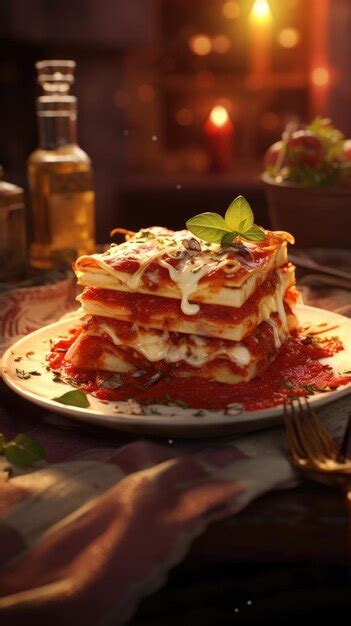
What’s the #1 Visual Bite styling tip to make everyday food look gourmet for foodies?
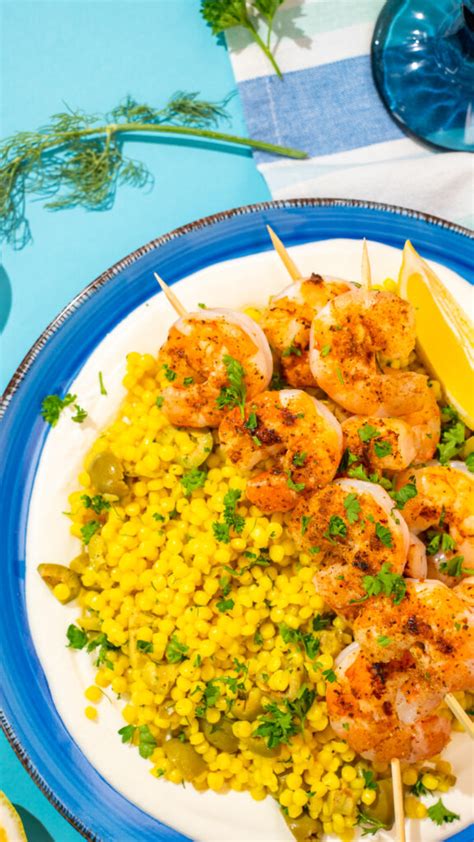
In the age of Instagram and culinary exploration, making everyday food look gourmet isn’t just for professional chefs – it’s an art every foodie can master. While many elements contribute to a visually appealing dish, there’s one overarching principle that stands out as the ultimate game-changer:
The Strategic Use of Negative Space and Thoughtful Plating
This isn’t just about putting food on a plate; it’s about creating a composition. Think of your plate as a canvas, and your food as the subject. The way you arrange elements, and perhaps more importantly, the space you leave empty, dictates the perceived elegance and sophistication of your dish.
1. Embrace Negative Space: Less is More
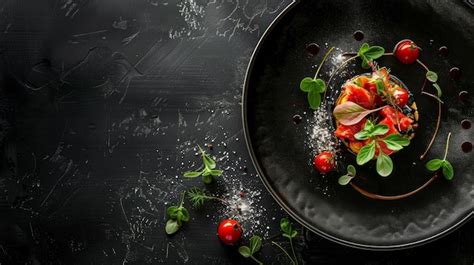
Many home cooks tend to fill the entire plate. However, professional chefs understand that empty space – often called ‘negative space’ – is crucial. It gives the food room to breathe, prevents an overcrowded appearance, and directs the eye to the hero elements of the dish. A sparsely plated dish instantly communicates intention and refinement.
2. Thoughtful Plating: Building Your Edible Canvas
Once you’ve understood the power of negative space, the next step is to deliberately place your food. Consider the following techniques:
The Rule of Thirds (and Beyond)
- Off-Center Placement: Instead of piling everything in the middle, arrange your main protein or vegetable slightly off-center. This creates dynamic tension and visual interest.
- Angles and Lines: Think about creating lines or arcs with your sauce, or stacking elements to add height.
- Avoiding the ‘Puddle’: Ensure sauces are applied neatly, perhaps as a swipe, a drizzle, or in a controlled pool, rather than letting them spread haphazardly.
Height and Texture: Adding Dimension
Flat food is often uninspiring. Add height by:
- Stacking: Carefully stack components like vegetables, grains, or proteins. Even a simple burger looks more gourmet when its layers are thoughtfully arranged.
- Piping: Use a piping bag (even a Ziploc bag with the corner snipped) for purees, mashed potatoes, or creams to create elegant swirls or dots.
- Varied Textures: Incorporate elements with different textures – a crisp garnish on a smooth puree, crunchy nuts on tender meat – to add visual and gastronomic interest.
3. Color Contrast and Balance
Colors play a vital role in appetite appeal. Aim for:
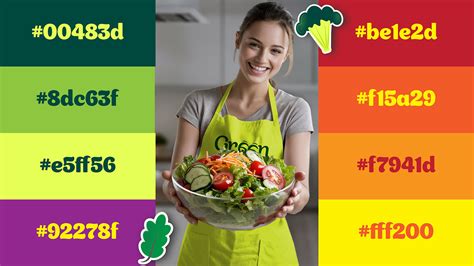
- Vibrant Hues: Use fresh, colorful ingredients. A pop of green from herbs, a bright red from a cherry tomato, or the rich brown of a perfectly seared steak.
- Contrast: Light food against a dark plate, or vice versa, can make the dish pop. Similarly, contrasting colors within the food itself (e.g., green asparagus with orange salmon) are highly effective.
4. The Art of Garnish: The Finishing Touch
A garnish isn’t just an afterthought; it’s the culinary equivalent of jewelry. It should:
- Be Edible and Relevant: Choose garnishes that complement the dish’s flavor profile. Fresh herbs, a citrus zest, a sprinkle of toasted seeds, or a drizzle of high-quality oil are perfect examples.
- Be Minimalist: A small sprig of rosemary, a few microgreens, or a carefully placed edible flower can elevate a dish significantly without overwhelming it.
- Provide a ‘Sparkle’: A final touch of flaky sea salt, a crack of black pepper, or a glisten of olive oil can add visual ‘life’ to the food.
Practice Makes Perfect
Transforming your everyday meals into gourmet visual bites is a skill that improves with practice. Start by focusing on one meal a day, applying the principles of negative space and thoughtful plating. Experiment with different arrangements, garnishes, and plateware. Soon, you’ll find yourself intuitively creating dishes that not only taste incredible but also look like they belong on a Michelin-starred menu.
So, next time you plate a meal, remember: it’s not just food, it’s an opportunity for art. Embrace negative space, plate with purpose, and watch your everyday dishes transform into culinary masterpieces.