What’s the best bite-sized visual format to boost foodie recipe saves?
Capturing Palates and Pinterest Boards: The Visual Recipe Revolution
In the bustling digital kitchen, where countless recipes vie for attention, merely presenting a delicious dish isn’t enough. Foodies, by nature, are visual creatures, and their decision to save a recipe often hinges on that crucial first impression. With shrinking attention spans and an endless scroll, the challenge for creators is to package culinary delights into a bite-sized visual format that’s irresistible and, most importantly, savable.
The goal isn’t just to entertain but to inspire action – specifically, the ‘save’ button. This act signifies future intent, a bookmark for later kitchen adventures. But what visual format truly cuts through the noise and makes foodies hit that digital bookmark?

The Power of Dynamic Storytelling: Short-Form Video
When it comes to immersive engagement, short-form video formats like Instagram Reels, TikToks, and YouTube Shorts are undeniably powerful. These platforms excel at showcasing the entire recipe journey, from raw ingredients to the final plated masterpiece, often set to trending audio.
Pros: Videos can demonstrate techniques, textures, and the sheer joy of cooking in a way static images cannot. The quick, digestible nature makes them perfect for discovery, and a compelling ‘reveal’ moment at the end significantly boosts save rates. They create a narrative, drawing the viewer in.
Cons: Production can be time-consuming and require more technical skill than photography alone. Not all users have sound on, so captions are essential.
Step-by-Step Clarity: Carousels and Infographics
For recipes that benefit from clear, sequential instructions, carousels (especially on Instagram) and visually rich infographics stand out. Carousels allow creators to present multiple images or short video clips in a single post, guiding the user through each stage of the recipe.
Pros: They offer a detailed yet organized approach, perfect for complex recipes or those requiring specific steps. Each slide can highlight an ingredient, a technique, or a progress shot, making the recipe feel achievable. Infographics can distill complex information into easily digestible chunks, often pairing an enticing hero shot with key ingredients and instructions.
Cons: Carousels require users to swipe, which can be a barrier for some. Infographics demand strong design skills to remain clear and uncluttered.
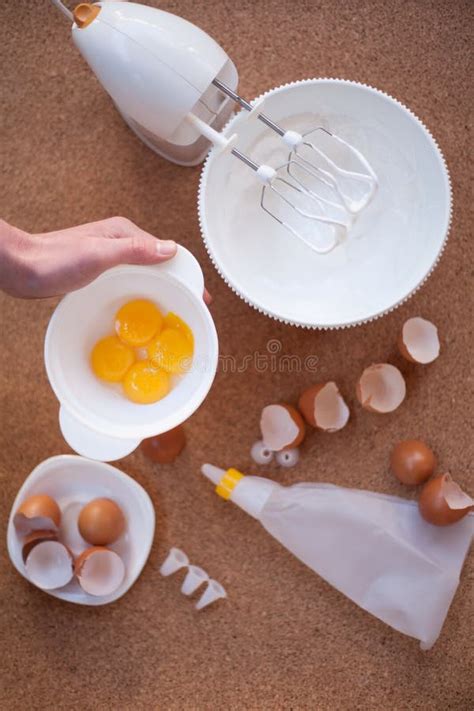
Instant Gratification: High-Quality Single Images with Text
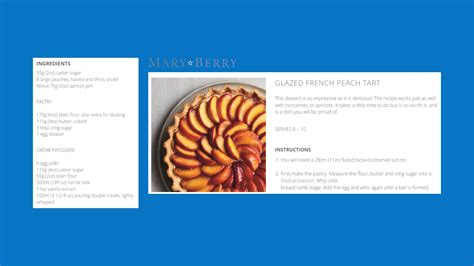
Sometimes, simplicity reigns supreme. A single, exquisitely styled photograph with a captivating text overlay or a concise caption can be incredibly effective. This is often the bread and butter of food blogging and visual platforms like Pinterest.
Pros: A stunning hero shot immediately communicates deliciousness. With a clear, punchy headline or a brief instruction snippet overlaid, it can serve as an immediate call to action for saves, especially if the full recipe link is easily accessible. Visual appeal is paramount here.
Cons: It relies entirely on the quality of one image to convey the full story. It might lack the instructional depth of other formats, requiring users to click through for details.
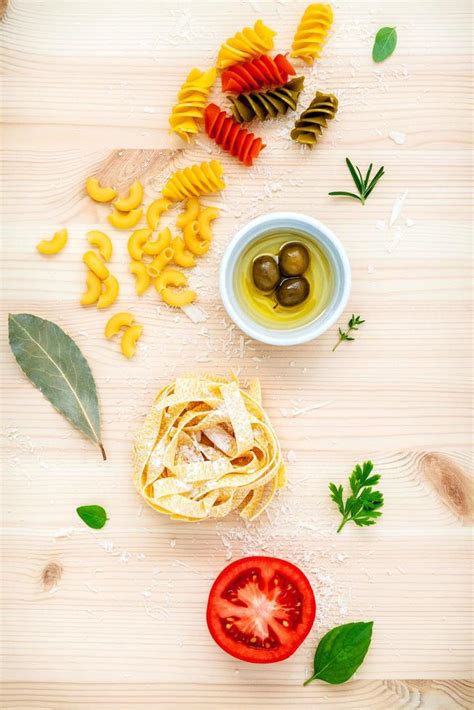
The Verdict: A Hybrid Approach Dominates
While each format has its strengths, the ‘best’ bite-sized visual format often isn’t a single entity but a strategic combination. For maximum recipe saves, a hybrid approach tends to be most effective:
- For Discovery and Engagement: Lead with short-form video (Reels/TikToks) that showcases the final dish and a quick sizzle of the process. This hooks viewers.
- For Detailed Instructions: Follow up with a carousel post or a visually rich infographic that provides step-by-step guidance, leveraging the initial video’s allure.
- For Aesthetic Appeal and Pinterest: Always have a show-stopping single hero image that can be shared widely and pinned for later inspiration.
Ultimately, the key lies in understanding your audience, the complexity of the recipe, and the strengths of each platform. By mastering dynamic storytelling, clear instruction, and mouth-watering aesthetics, food creators can transform casual scrolls into valuable recipe saves, building a loyal community of home cooks eager for their next culinary adventure.