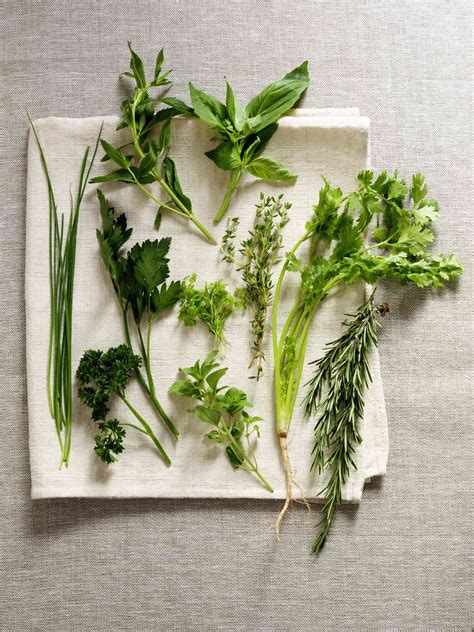
What’s the best hack for keeping fresh herbs vibrant longer for stunning garnishes?

Unlock the Secret to Ever-Vibrant Herbs
Fresh herbs are the unsung heroes of culinary artistry, transforming a simple dish into a masterpiece with their aromatic fragrance and bright, verdant color. Yet, their fleeting freshness can be a source of frustration, with delicate leaves wilting just days after purchase. But what if there was a simple, game-changing hack to keep your basil perky, your parsley pristine, and your cilantro crisp for weeks? There is, and it’s surprisingly straightforward.

The #1 Hack: The “Bouquet in Water” Method
Forget damp paper towels or complicated sealing techniques for most common herbs. The best and most widely recommended method for extending the life of your fresh, tender herbs is to treat them like a floral arrangement:
- Trim the Stems: Just like cut flowers, fresh herbs benefit from a fresh cut. Snip about a half-inch from the bottom of the stems at an angle. This reopens the capillaries, allowing them to absorb water more efficiently.
- Place in Water: Fill a small glass or jar with about an inch of fresh, cool water. Stand the herb stems upright in the water, ensuring only the cut ends are submerged.
- Cover Loosely: For most herbs (especially tender ones like parsley, cilantro, and dill), loosely cover the entire setup with a plastic bag. A plastic produce bag works perfectly. This creates a mini-greenhouse effect, trapping moisture and preventing dehydration. Avoid sealing it tightly; a little air circulation is good.
- Refrigerate (Mostly): Place the covered herbs in the refrigerator. This cool environment slows down decay. Change the water every 1-2 days, or if it appears cloudy.
Why This Method Works Wonders
This technique mimics the herb’s natural environment. By providing a continuous supply of water to the cut stems, you prevent wilting and keep the leaves hydrated and firm. The plastic bag acts as a humidity dome, reducing moisture loss from the leaves, which is the primary cause of wilting and browning in cold, dry refrigerator air. The cool temperature simply slows down metabolic processes, buying you more time.
Variations for Specific Herbs
- Basil’s Exception: Basil is a tender herb that famously dislikes the cold. For basil, follow steps 1 and 2, but instead of refrigerating, leave it on your countertop away from direct sunlight. Cover it with a plastic bag if your kitchen is particularly dry. It might not last quite as long as other herbs in the fridge, but it will maintain its flavor and avoid blackening.
- Hardy Herbs: Woody-stemmed herbs like rosemary, thyme, oregano, and sage are more forgiving. While the water-bouquet method works, you can also wrap them snugly in a slightly damp paper towel, then place them in an airtight container or a resealable plastic bag in the refrigerator. Their robust nature means they’re less prone to quick wilting.

Beyond the Fridge: Other Longevity Tips
- Wash Just Before Use: Excess moisture can accelerate spoilage. Only wash your herbs right before you’re ready to chop and use them.
- Freezing for Flavor (Not Garnish): While not suitable for vibrant garnishes, freezing herbs is excellent for preserving their flavor for cooking. Chop herbs finely, pack them into ice cube trays, cover with a little olive oil or water, and freeze. Pop out cubes as needed for soups, stews, or sautés.
- Dry Them Out: For very long-term storage, consider drying your herbs. This changes their texture and intensity, making them unsuitable for fresh garnishes, but perfect for seasoning.

Embrace Ever-Fresh Garnishes
With this simple yet effective ‘bouquet in water’ hack, you can banish limp, lackluster herbs from your kitchen forever. Imagine the joy of reaching for vibrant, fresh greenery whenever inspiration strikes, effortlessly elevating your dishes with stunning, aromatic garnishes. It’s an easy habit to adopt, and one that will significantly reduce food waste while enhancing your culinary creations.