What’s the best visual cue for finding authentic, must-try local dishes?

Embarking on a culinary adventure in a new city or country is one of the most exciting aspects of travel. However, navigating the myriad of dining options to find truly authentic, must-try local dishes can be a challenge. How do you distinguish a hidden gem frequented by locals from a tourist trap serving mediocre fare? The answer often lies in subtle, yet powerful, visual cues.
The Golden Rule: Follow the Locals
This is arguably the most reliable indicator. If you see a restaurant bustling with local patrons, especially during off-peak hours when tourists might not be around, you’ve likely struck gold. Locals know best where to find good food at reasonable prices. Observe families, office workers on lunch breaks, or groups of friends enjoying a meal – their presence is a strong endorsement of authenticity and quality. A restaurant packed with locals suggests high turnover, ensuring fresh ingredients and consistent preparation.
Don’t be swayed by glossy menus in multiple languages or aggressive touts outside the door; these are often red flags. Instead, look for places where the language spoken is predominantly local, and the atmosphere feels genuinely part of the community fabric.

Unpretentious Decor and Focused Menus
Authentic eateries often prioritize the food over elaborate decor. If a place looks simple, perhaps even a bit worn, but clean, it can be a sign that they’re investing their resources into ingredients and cooking, not fancy trimmings. White tablecloths and chandelier-laden dining rooms are not typically where you’ll find the best street food or home-style cooking.
Another strong cue is a short, focused menu. Restaurants that excel in authentic local cuisine often specialize in a handful of dishes, perfecting them over generations. A vast menu offering everything from local specialties to international staples can indicate a kitchen trying to cater to all tastes, often at the expense of true culinary excellence. Look for menus handwritten or simple, perhaps even just a signboard listing daily specials.

Visible Food Preparation and Fresh Ingredients
Many truly authentic local spots, especially street food vendors or small eateries, have their cooking process openly visible. Being able to see the chefs at work, whether it’s grilling skewers, kneading dough, or stirring a pot, is a fantastic sign. This transparency not only assures you of hygiene (if they’re confident enough to show it) but also indicates a passion for the craft and fresh preparation.
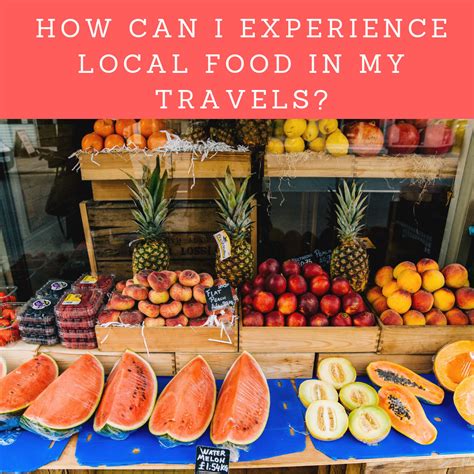
Furthermore, pay attention to the ingredients. Are they fresh and vibrant? Are vegetables crisp, seafood gleaming, and meats well-marbled? Visible displays of fresh produce or a bustling fish market nearby often feed directly into the local restaurants, guaranteeing quality ingredients. If a dish is supposed to feature a specific seasonal fruit or vegetable, confirm its presence and freshness before committing.
The Line-Up and the Aroma Test
A long line, particularly one composed mostly of locals patiently waiting, is a universally recognized sign of an exceptional eating establishment. While waiting might not be ideal for the impatient traveler, it’s often a worthwhile investment for a truly memorable meal. The sheer demand indicates the food is worth the wait.
Finally, trust your nose. The enticing aromas wafting from a kitchen or a street food stall can be an irresistible invitation. The scent of spices toasting, meats grilling, or broth simmering can instantly communicate the promise of deliciousness and authenticity. If it smells good, chances are it will taste good.

By honing your observational skills and trusting these visual and sensory cues, you can elevate your food adventures from merely eating to truly experiencing the heart and soul of a local culture through its cuisine. Happy hunting!