What’s the best visual technique for perfectly dicing an onion quickly & safely?
Dicing an onion is a fundamental kitchen skill, essential for countless recipes from comforting stews to vibrant stir-fries. While seemingly simple, mastering a technique that is both quick and safe can significantly improve your cooking experience and the consistency of your dishes. The goal is perfectly uniform pieces, achieved efficiently and without risk.
The Foundation: Halving and Peeling
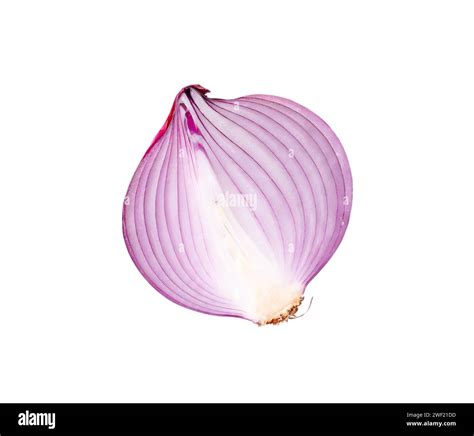
The journey to perfectly diced onion begins with proper preparation. Start by trimming both ends of the onion – the stem and the root. Cut the onion in half lengthwise, from the trimmed stem end through the root end. This cut reveals the onion’s layers, making peeling much easier. Once halved, place the flat side down on your cutting board for stability, and peel away the papery outer layers. Keep the root end intact on one half; it will be your “handle” for the next steps.
Mastering the Horizontal Cuts
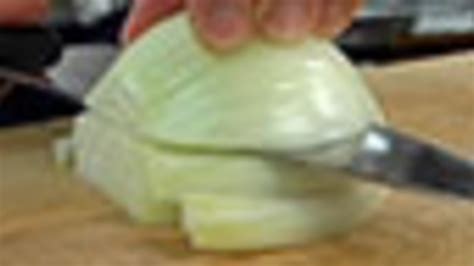
With the flat side of your onion half down, and the root end facing away from you, make a series of horizontal cuts. Hold the onion firmly, and with your non-dominant hand, place your fingertips on top of the onion, curling them back into a claw grip to protect them from the blade. Make 2-3 horizontal cuts, parallel to the cutting board, starting from the cut side and extending towards the root end, but not cutting all the way through the root. The number of cuts depends on the size of the onion and your desired dice size.
Executing the Vertical Slices
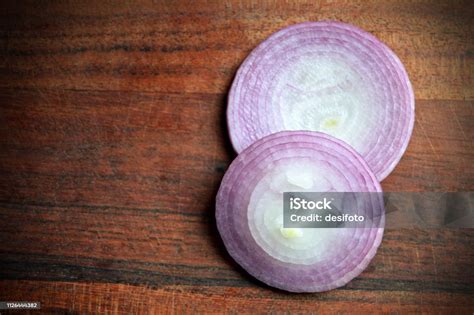
Now, rotate the onion so the root end is still pointing away from you, and the previously made horizontal cuts are visible. Make a series of vertical cuts, parallel to each other, from the stem end towards the root, again, not cutting through the root end. These cuts should be perpendicular to your horizontal cuts. The spacing of these cuts will determine the width of your final dice. Aim for consistent spacing for uniform results.
The Final Dice: Cross-Cutting for Uniformity
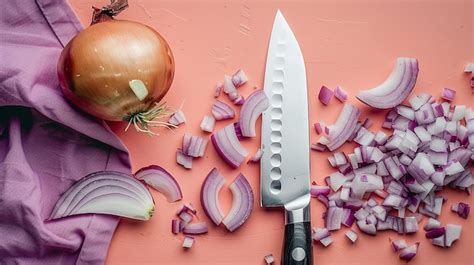
With your horizontal and vertical cuts complete, the onion should look like it’s already diced, but held together by the intact root end. Now, simply turn the onion, if necessary, and make cross-cuts from the root end towards the stem end. As you slice, uniform diced pieces will fall away. Continue until you reach the root end, which can then be discarded or finely minced if desired. Always maintain your claw grip for safety, keeping your fingertips tucked away from the blade.
Safety and Speed Enhancements
Achieving speed and safety simultaneously comes down to practice and proper technique. Always use a sharp knife; a dull knife requires more force and is more prone to slipping. Ensure your cutting board is stable, placing a damp cloth underneath it if necessary. The “claw grip” is paramount for protecting your fingers. As you become more comfortable, focus on smooth, fluid motions rather than brute force. Consistent practice will naturally increase your speed while reinforcing safe habits.
Mastering the visual technique for dicing an onion—from the initial halving and peeling to the precise horizontal, vertical, and cross-cuts—transforms a potentially daunting task into a swift and satisfying kitchen endeavor. By understanding the onion’s structure and applying consistent, safe knife skills, you’ll not only enhance the efficiency of your meal preparation but also elevate the quality and presentation of your culinary creations.