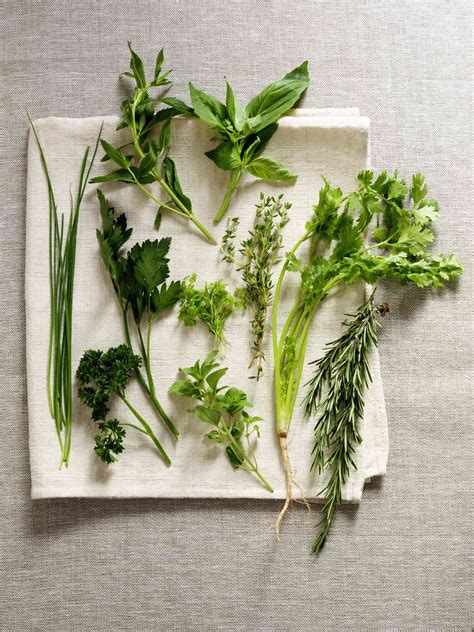
What’s the best way to keep herbs vibrant & fresh for foodie meals?

Elevating Your Meals: The Art of Fresh Herb Preservation
For any true foodie, fresh herbs are non-negotiable. They transform a good dish into a great one, adding layers of flavor, aroma, and visual appeal. However, the fleeting life of fresh herbs can be a source of frustration, often wilting before they’ve had a chance to shine in your culinary creations. The good news is that with a few simple, strategic storage techniques, you can significantly extend their vibrancy and ensure they’re always ready to enhance your foodie meals.

Mastering Refrigeration: Tailored Approaches for Tender and Hardy Herbs
The Water-Glass Method for Tender Herbs
This classic technique is perfect for delicate, leafy herbs like parsley, cilantro, basil, mint, and tarragon. Treat them like a bouquet of flowers:
- Trim about half an inch off the bottoms of the stems.
- Remove any leaves that would fall below the waterline.
- Place the herb bunch, stems down, into a glass or jar with about an inch of fresh water.
- For herbs like parsley and cilantro, loosely cover the top with a plastic bag to create a mini-greenhouse, then place in the refrigerator.
- Basil, being sensitive to cold, prefers to stay on the countertop at room temperature, out of direct sunlight, but still in water and potentially covered with a plastic bag.
- Change the water every day or two to keep it fresh.
This method can keep tender herbs vibrant for up to a week, sometimes longer.
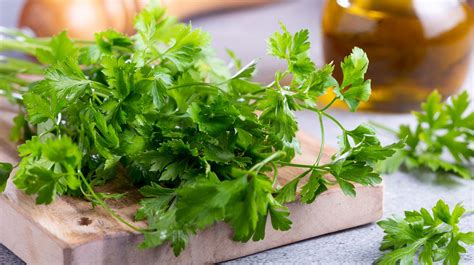
Damp Paper Towel Wrap for Hardier Varieties
Heartier herbs with woody stems, such as rosemary, thyme, oregano, and sage, thrive with a different approach:
- Gently wash the herbs and ensure they are thoroughly dry. Excess moisture is the enemy here.
- Lay the herbs flat on a slightly damp (not wet) paper towel.
- Roll them up snugly in the paper towel.
- Place the rolled bundle inside a resealable plastic bag or an airtight container.
- Store in the crisper drawer of your refrigerator.
This method keeps hardy herbs fresh for two to three weeks, preserving their robust flavor.
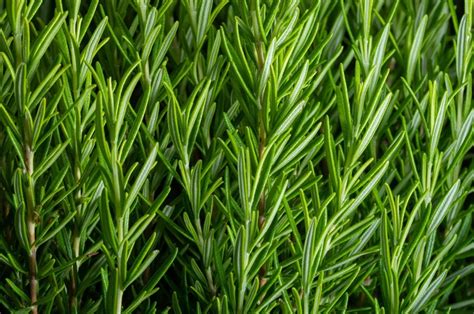
Freezing for Extended Freshness: Beyond the Fridge
When you have an abundance of herbs or want to preserve their flavor for months, freezing is an excellent option. While their texture might change slightly, their aromatic punch remains potent, making them perfect for soups, stews, sauces, and marinades.
Herb Ice Cubes with Oil or Water
- Finely chop your herbs (parsley, cilantro, chives, basil, oregano all work well).
- Pack them into ice cube trays.
- Pour a neutral oil (like olive oil) or water over the herbs, ensuring they are fully submerged.
- Freeze until solid, then transfer the herb cubes to a freezer-safe bag or container.
When a recipe calls for a spoonful of fresh herbs, simply pop out a cube! These can last for several months in the freezer.

Freezing Whole Leaves
For some herbs like dill or even whole basil leaves (for specific applications), you can simply spread them on a baking sheet to freeze individually, then transfer to an airtight container. This prevents them from clumping together.
Drying and Other Long-Term Solutions
Drying herbs is another ancient method of preservation, particularly suitable for hardy varieties like rosemary, thyme, oregano, and bay leaves. You can air-dry them by hanging small bunches in a cool, dark, well-ventilated area, or use a dehydrator for quicker results. Dried herbs offer a concentrated flavor that can last for a year or more.
Essential Tips for Maximizing Herb Life
- Gentle Washing: Always wash herbs gently under cool running water.
- Thorough Drying: This is critical! Use a salad spinner or pat them very dry with paper towels, especially for the damp paper towel method.
- Avoid Overcrowding: Give your herbs space to breathe in their storage containers.
- Check Regularly: Inspect your herbs every few days and remove any pieces showing signs of spoilage to prevent it from spreading.
Conclusion: Your Kitchen, Always Fresh
With these straightforward methods, you can significantly extend the life and vibrancy of your fresh herbs. No more sad, wilting greens in the back of the fridge! By understanding the unique needs of different herb types and applying the right preservation technique, you’ll always have a fresh burst of flavor on hand, ready to transform your next foodie meal into an unforgettable culinary experience.