What’s the best way to store fresh herbs for vibrant gourmet plating?
Fresh herbs are more than just a garnish; they are the vibrant punctuation marks that elevate a good dish to a gourmet masterpiece. Their aromatic punch, delicate texture, and brilliant color are essential for stunning plating. However, keeping these ephemeral ingredients fresh and lively can be a challenge. Wilted, discolored herbs can detract from even the most meticulously prepared meal. Mastering the art of herb storage is a game-changer for any home cook aspiring to professional-level presentation.
Understanding Herb Types and Their Needs
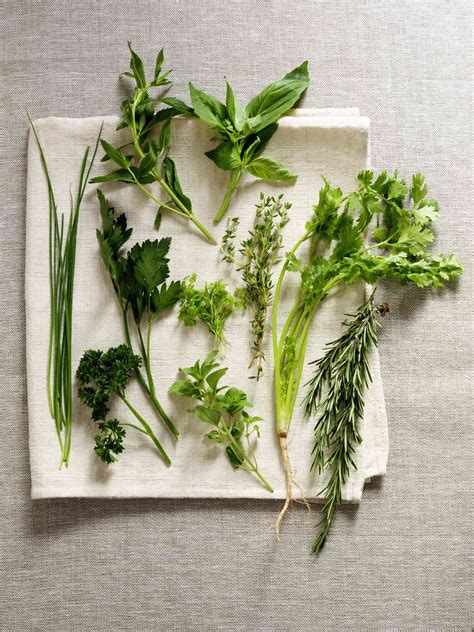
Not all herbs are created equal, and their storage requirements vary significantly based on their structure. Generally, herbs can be categorized into two main groups: soft herbs and hard herbs. recognizing these differences is the first step toward optimal preservation.
Soft Herbs: The Water Lovers
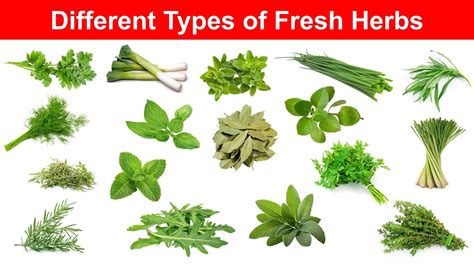
Soft herbs, such as parsley, cilantro, basil, mint, and dill, have tender stems and delicate leaves. They are prone to wilting quickly once cut. For most soft herbs, the best method mimics how you’d treat a bouquet of flowers:
- The Bouquet Method: Trim the bottoms of the stems. Place the herbs upright in a glass jar with about an inch of water, ensuring only the stems are submerged.
- Cover and Refrigerate: Loosely cover the leaves with a plastic bag (or a damp paper towel before the bag) to create a humid environment, then store in the refrigerator. Change the water every day or two. This method can keep herbs like parsley and cilantro fresh for up to two weeks.
- Basil’s Exception: Basil is a unique soft herb that dislikes the cold. Store it using the bouquet method, but keep it on the countertop at room temperature, away from direct sunlight. Refrigerating basil can cause it to blacken.
Hard Herbs: The Durable Wraps
Hard herbs, including rosemary, thyme, oregano, and sage, have woody stems and sturdier leaves. They are generally more resilient than their soft counterparts but still benefit from proper care.
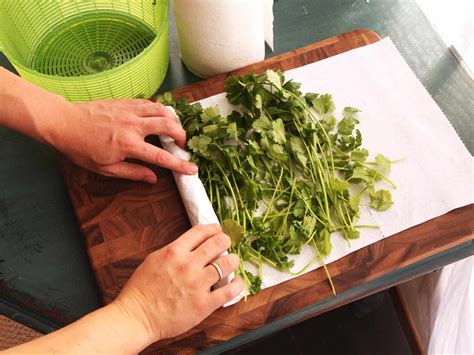
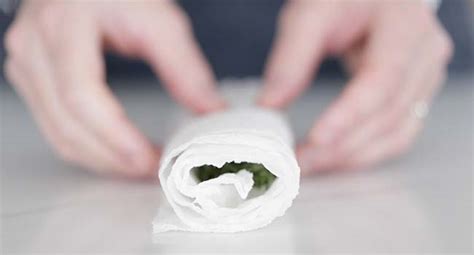
- Damp Paper Towel Method: Gently wash and thoroughly dry the herbs. Wrap them snugly in a slightly damp paper towel, then place the bundle inside a resealable plastic bag or an airtight container.
- Refrigerate: Store the sealed container in the crisper drawer of your refrigerator. This technique can extend the life of hard herbs for two to three weeks, sometimes even longer.
Beyond the Fridge: Long-Term Solutions
Sometimes, you have an abundance of herbs or need them to last even longer than a few weeks. Freezing is an excellent option for preserving flavor, though the texture might change slightly, making them ideal for cooking rather than fresh garnishes.
- Herb Ice Cubes: Chop herbs finely and pack them into ice cube trays. Cover with a neutral oil (like olive oil) or water. Freeze until solid, then transfer the herb cubes to a freezer-safe bag. Pop out a cube whenever you need fresh flavor for soups, stews, or sauces. This method is particularly effective for basil, parsley, and cilantro.

Reviving Wilting Herbs for Last-Minute Plating
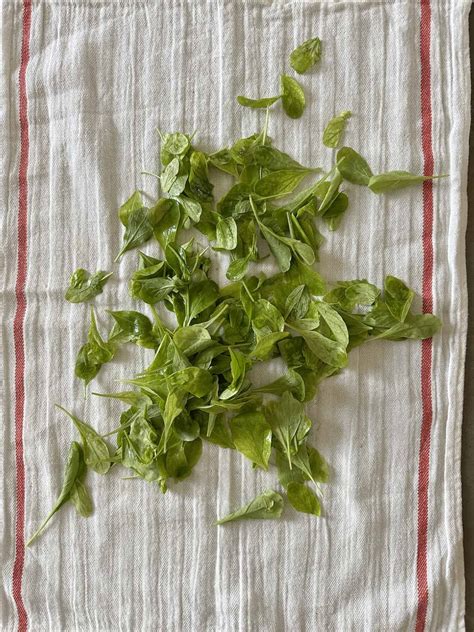
Even with the best storage practices, sometimes herbs might look a little tired. For a quick revival, especially for soft herbs, try giving them an ice bath. Submerge the wilted herbs in a bowl of ice water for 15-30 minutes. This can rehydrate them, making them crisp and vibrant again for your plating needs.
The Impact on Gourmet Plating
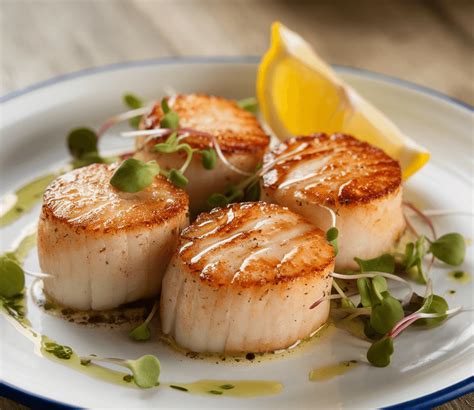
The difference between a dish with dull, limp herbs and one adorned with bright, perky greens is undeniable. Well-stored herbs not only maintain their flavor and aroma but also retain their visual appeal, which is paramount in gourmet plating. From a delicate sprinkle of fresh dill over salmon to a vibrant basil chiffonade atop a Caprese salad, the visual freshness adds an immediate touch of professionalism and culinary artistry. Investing a little time in proper herb storage pays immense dividends in the final presentation and enjoyment of your culinary creations.