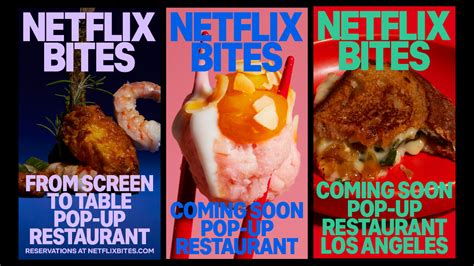
What’s the quickest way to create high-impact, brand-consistent Visual Bites from new recipes?

The Power of Visual Bites in Recipe Marketing
In today’s fast-paced digital world, captivating visuals are no longer optional for recipe creators – they are essential. High-impact, brand-consistent “Visual Bites” are the spoonfuls of visual deliciousness that hook your audience, tell your story, and drive engagement. But how do you create these stunning snippets quickly, especially when you’re constantly developing new recipes? The key lies in a strategic workflow that prioritizes efficiency without sacrificing quality or brand integrity.
Understanding High-Impact, Brand-Consistent Visuals
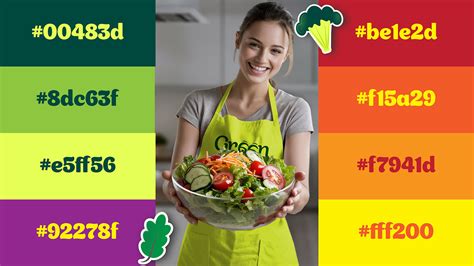
Before diving into speed, it’s crucial to define what makes a visual bite effective. High-impact visuals grab attention immediately, conveying deliciousness and intrigue. Brand consistency ensures that every image, regardless of the recipe, instantly recognizable as yours. This means a cohesive style in lighting, color palette, plating, props, and overall mood. Deviating from your brand’s aesthetic can confuse your audience and dilute your identity.
Achieving this consistency starts with a clear brand style guide. Document your preferred photography angles, dominant colors, typography (if adding text overlays), and even the emotional tone you want to convey. This guide acts as a blueprint for every visual bite you create, empowering quicker decision-making during content production.
Streamlining Your Pre-Production Workflow
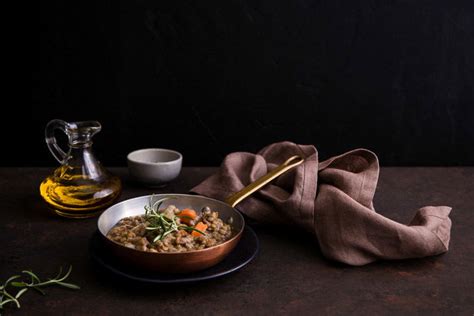
The secret to speed often lies in preparation. For new recipes, integrate visual planning from the very beginning. As you develop and test a recipe, think about its visual potential:
- Ingredient Spotlight: Are there any unique ingredients that make for compelling close-ups?
- Process Shots: Which steps are visually interesting or helpful for instruction?
- Final Dish Presentation: How will the finished dish be plated to highlight its best features?
Create a mini shot list for each new recipe. This isn’t about rigid adherence but serving as a guide. Also, maintain a curated library of props and backdrops that align with your brand. Having these readily accessible eliminates time spent searching for suitable items during a shoot. Batching recipe testing and visual planning for multiple recipes at once can also significantly cut down overall time.
Mastering the Shoot: Efficiency on Set
Once you’re ready to shoot, efficiency is paramount. Natural light is often your best friend for food photography due to its soft, even quality. Position your setup near a window and use reflectors (even a white foam board!) to bounce light into shadowy areas. Standardize your camera settings (or smartphone settings) for consistent exposure and white balance.
Focus on capturing multiple angles and compositions of the final dish quickly. Don’t be afraid to shoot a little messily at first – the ‘action shots’ of garnishing or serving can add dynamism. If you’re creating multiple visual bites from one recipe (e.g., for different social platforms), try to capture all necessary formats (vertical, horizontal, square) in one session. Minimizing equipment setup and breakdown time between recipes will also boost your overall efficiency.
Post-Production Power: Speed and Consistency
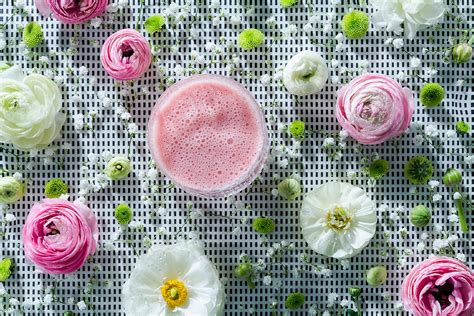
Editing is where brand consistency truly shines. The quickest way to achieve this is through presets and templates. Develop a suite of photo editing presets (in Lightroom, Photoshop, or even mobile apps like VSCO or Snapseed) that embody your brand’s aesthetic. Apply these with one click to quickly color-correct and enhance your images.
For graphic overlays, text, or watermarks, use design templates in tools like Canva or Adobe Express. Simply drop in your new recipe image, and the branded elements are automatically applied in the correct font, color, and position. This drastically reduces the time spent on individual design choices for each visual bite. Focus on minor adjustments rather than starting from scratch.
Leveraging Smart Tools and Automation
The right tools can be a game-changer for speed. Explore AI-powered editing features that can quickly remove backgrounds, enhance details, or even suggest optimal crops. Cloud-based platforms allow for seamless transfer between devices, meaning you can shoot on a DSLR, perform initial edits on a tablet, and finish on your desktop. Scheduling tools for social media also save time by allowing you to pre-plan your content release, freeing you up to focus on creation.
Consider creating a reusable elements library: a collection of frequently used textures, garnishes, or small props that can be easily integrated into different shots. This reduces the need for entirely new setups each time. Automate repetitive tasks wherever possible, from file naming conventions to template application.

Conclusion: A Recipe for Visual Success
Creating high-impact, brand-consistent visual bites from new recipes doesn’t have to be a slow, painstaking process. By integrating visual planning into your recipe development, optimizing your shoot setup, leveraging editing presets and templates, and utilizing smart tools, you can build an efficient workflow. This strategic approach not only saves time but also ensures that every visual you publish reinforces your brand, captivates your audience, and ultimately helps your delicious recipes get the attention they deserve.