What’s the secret to perfectly cooked, visually appealing salmon?

Why Salmon Deserves Perfection
Salmon is a beloved ingredient for its rich flavor, health benefits, and versatility. Yet, achieving that elusive perfectly cooked fillet – one that’s moist and flaky on the inside with a beautifully crisp skin and vibrant color – often feels like a culinary mystery. Overcooked salmon is dry and chalky, while undercooked can be unappetizing. The good news is that with a few key techniques, anyone can master the art of cooking salmon to perfection.
Starting with the Best: Salmon Selection
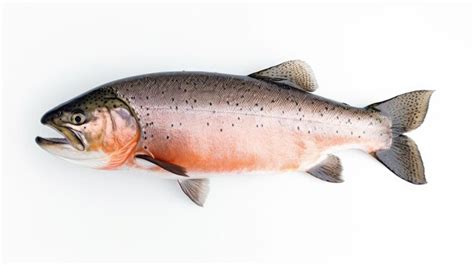
The journey to perfect salmon begins at the fish counter. Look for fillets with bright, vibrant color and a firm, moist texture. Avoid any fish that looks dull, dry, or has a strong ‘fishy’ odor. Wild-caught salmon (like Sockeye or King) often has a deeper color and richer flavor, while farm-raised varieties (like Atlantic) tend to be fattier and milder. Opt for skin-on fillets whenever possible, as the skin provides a protective barrier during cooking, locks in moisture, and can be rendered deliciously crispy.
Preparation Prowess: Patting Dry and Seasoning
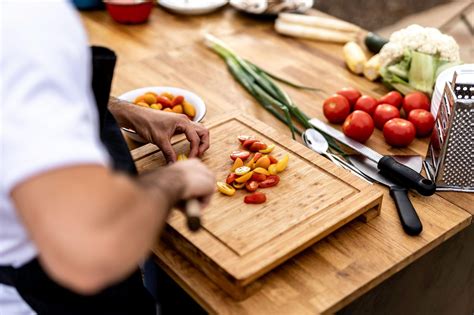
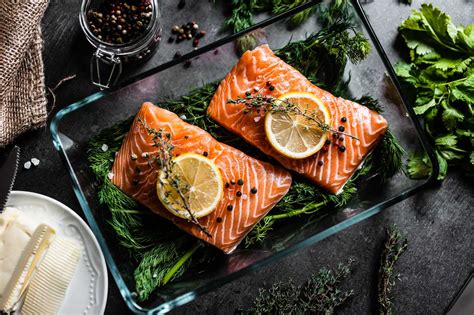
One of the most crucial, yet often overlooked, steps is to thoroughly pat your salmon fillets dry with paper towels before seasoning. Excess moisture on the surface prevents the skin from crisping and inhibits a good sear, leading to steamed rather than seared results. Once dry, season generously. A simple sprinkle of salt, black pepper, and perhaps a touch of garlic powder or paprika is often all you need to enhance salmon’s natural flavors. For added depth, a squeeze of lemon juice or a brush of olive oil before cooking can make a big difference.
The Art of Cooking: Methods for Success
While salmon can be baked, grilled, or poached, pan-searing is arguably the best method for achieving that coveted crispy skin and tender, flaky flesh. Preheat a heavy-bottomed, oven-safe pan (cast iron or stainless steel works best) over medium-high heat. Add a high smoke point oil like avocado or grapeseed oil. Once shimmering, carefully place the salmon skin-side down in the hot pan. Press gently for the first 30 seconds to ensure even contact with the pan.
Let it cook, undisturbed, for about 4-6 minutes, depending on thickness, until the skin is deeply golden and crisp, and the flesh has cooked about two-thirds of the way up the side. Flip the fillet and cook for another 2-4 minutes until it reaches your desired doneness. If your fillet is very thick, you can transfer the pan to a preheated oven (around 400°F/200°C) for a few minutes after the flip to finish cooking through.
Temperature and Timing: The Doneness Dilemma
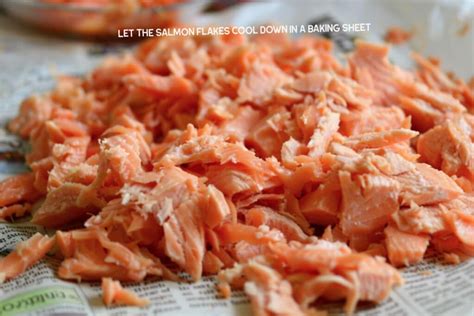
The ideal internal temperature for cooked salmon is between 125°F (52°C) and 145°F (63°C), depending on your preference (medium-rare to medium). Use an instant-read thermometer inserted into the thickest part of the fillet to be sure. Visually, perfectly cooked salmon will flake easily with a fork but still have a slightly translucent, moist center. Remove the salmon from the pan just before it reaches your desired doneness, as it will continue to cook for a few minutes while resting.
Plating with Purpose: Visual Appeal
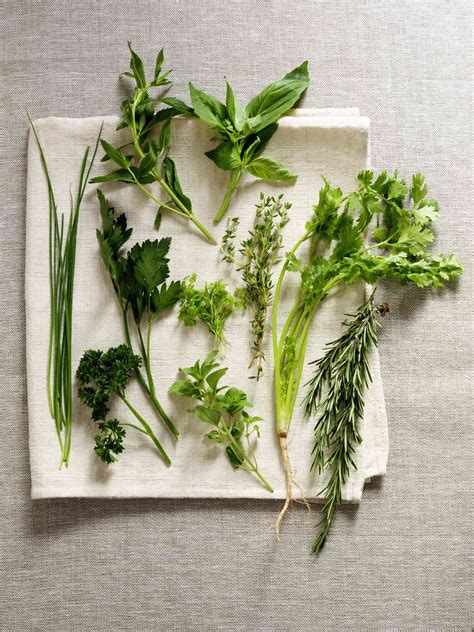
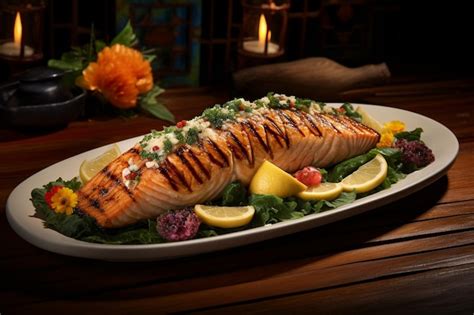
Once your salmon is perfectly cooked, don’t just plop it on a plate. Presentation matters! Let the salmon rest for a few minutes before serving to allow the juices to redistribute. Place it carefully on your plate, showcasing the beautiful crispy skin. Garnish with fresh herbs like dill or parsley, a lemon wedge, or a vibrant sauce like a fresh salsa or pesto. A colorful side of roasted vegetables or a vibrant grain will complete the picture, making your salmon not just a meal, but a feast for the eyes.
Your Path to Salmon Perfection
Mastering salmon cooking is a rewarding culinary achievement. By paying attention to the quality of your fish, ensuring it’s dry before seasoning, using the right cooking method (pan-searing is a fantastic choice), and understanding doneness cues, you’ll consistently achieve restaurant-quality results. With practice, you’ll be creating perfectly cooked, visually stunning salmon that will impress both your taste buds and your guests.