What’s the secret to perfectly roasted, crispy vegetables every time?

Unlock the Ultimate Crisp: The Secrets to Perfect Roasted Vegetables
Roasted vegetables are a beloved staple, offering a delightful combination of tenderness and caramelized flavor. Yet, many home cooks struggle to achieve that coveted crispy exterior, often ending up with soft, soggy results. The good news is, the secret isn’t a complex chef’s trick, but rather a series of simple, foundational techniques. Master these, and you’ll elevate your vegetable game to a whole new level of crispy perfection.
1. The Right Foundation: Choosing and Prepping Your Veggies
The journey to crispy vegetables begins before they even hit the oven. Not all vegetables roast equally, and how you prepare them makes a world of difference.
Pick Your Produce Wisely
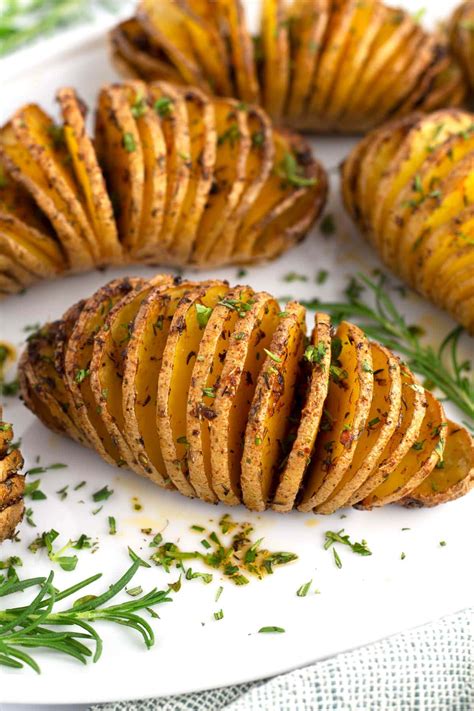
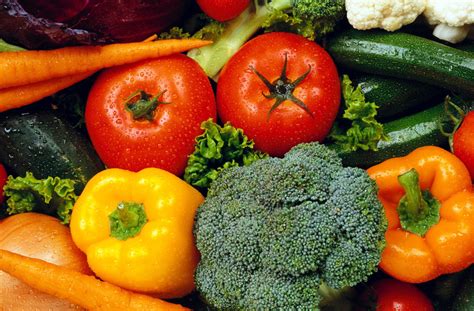
Root vegetables (potatoes, carrots, parsnips), cruciferous vegetables (broccoli, cauliflower, Brussels sprouts), and hard squashes are excellent candidates for roasting. They can withstand high heat and develop wonderful textures. Vegetables with very high water content (like zucchini or mushrooms) can still be roasted beautifully, but require extra attention to drying.
Uniformity is Key
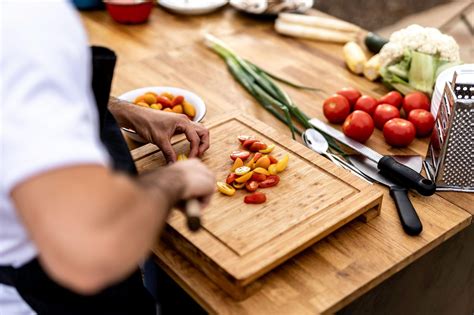
Cut your vegetables into pieces of roughly the same size and thickness. This ensures even cooking; smaller pieces won’t burn while larger ones are still raw in the middle. Aim for bite-sized or slightly larger chunks.
Dryness is Your Friend
Moisture is the enemy of crispiness. After washing your vegetables, pat them thoroughly dry with a kitchen towel or paper towels. Any residual water will steam the vegetables instead of allowing them to roast and crisp up.
2. The Heat is On: Oven Temperature and Pan Management
Your oven and baking sheet play crucial roles in achieving that desirable crunch.
Crank Up the Heat
High heat is non-negotiable for crispy results. A temperature between 400°F (200°C) and 425°F (220°C) is ideal. This intense heat causes the sugars in the vegetables to caramelize and their surfaces to crisp up quickly.
Don’t Crowd the Pan
This is arguably the most critical rule. Vegetables need space to roast. If you pile them too high, they will steam in their own moisture rather than crisping. Use multiple baking sheets if necessary, ensuring vegetables are spread in a single, even layer with a little breathing room between each piece. Air circulation is vital!

The Right Pan Matters
Use heavy-duty metal baking sheets, preferably light-colored, which conduct heat efficiently and promote browning. Darker pans can sometimes brown too quickly. Lining your sheet with parchment paper is a fantastic trick for preventing sticking and aiding in even crisping.
3. Flavor and Finish: Oil and Seasoning Strategy
The type and amount of oil, along with when you season, impact the final texture and taste.
The Perfect Oil Application
A good quality, high-smoke-point oil (like avocado oil, grapeseed oil, or light olive oil) is essential. Drizzle just enough to lightly coat all the vegetables – typically 1-2 tablespoons per pound of vegetables. Too little oil and they’ll stick and dry out; too much and they’ll become greasy. Toss them thoroughly in a bowl before spreading them on the baking sheet to ensure even coating.
Seasoning Strategy
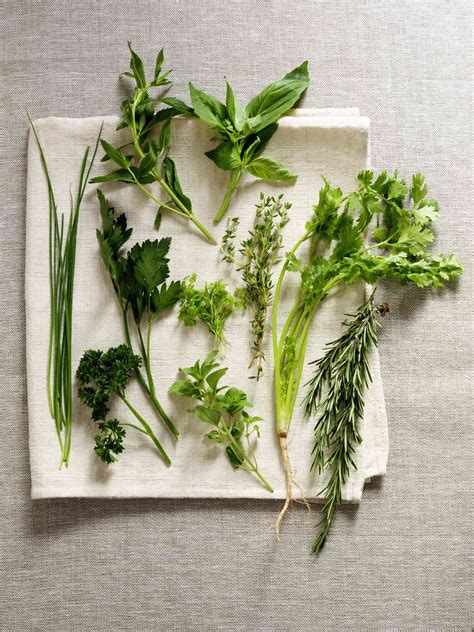
Salt your vegetables before roasting, as this helps draw out some moisture, promoting crispiness. Pepper and other dried herbs (like rosemary, thyme, or oregano) can also be added before roasting. If you’re using fresh herbs or more delicate spices, add them towards the end of the roasting process or after, to preserve their flavor and prevent burning.
4. Technique for Ultimate Crispness
A few final touches can make all the difference in achieving that ultimate crispy bite.
Flip and Rotate
After about 15-20 minutes, use a spatula to flip the vegetables, ensuring all sides get a chance to brown and crisp up. Depending on the vegetable and your oven, you might need to do this once or twice during the cooking process.

Resist the Urge to Peek
Opening the oven door frequently releases heat, dropping the internal temperature and slowing down the roasting process. Trust your oven and only open it when it’s time to flip or check for doneness.
Finishing Touches (Optional)
For an extra boost of flavor and crisp, consider a sprinkle of nutritional yeast, a dash of paprika, or a squeeze of lemon juice immediately after they come out of the oven. A quick broil for the last minute or two can also enhance crispiness, but watch them closely to prevent burning.
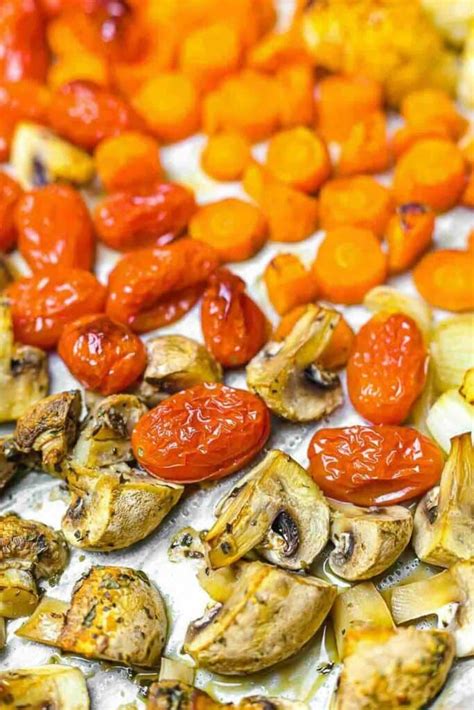
Mastering the art of crispy roasted vegetables is all about understanding and applying these fundamental principles: proper prep, high heat, ample space, and the right amount of oil. With these secrets in your culinary arsenal, you’ll be able to create perfectly tender, golden-brown, and irresistibly crispy vegetables every time, transforming simple ingredients into a delightful and healthy side dish or meal component. Happy roasting!