What’s the secret to plating restaurant-quality dishes that pop on camera?

In the vibrant world of culinary arts, presenting a dish beautifully is as crucial as its taste. But in the age of social media and food blogs, the challenge extends beyond impressing the diner at the table – it’s about crafting a masterpiece that not only tantalizes the palate but also truly ‘pops’ on camera. The secret lies in a harmonious blend of fundamental plating techniques and a keen understanding of photographic principles.
The Foundation: Culinary Artistry Meets Photography
Plating food for the camera requires a slightly different mindset than plating solely for consumption. While both demand aesthetic appeal, photography emphasizes composition, light, and dimension in a two-dimensional frame. A dish that looks spectacular in person might fall flat on film if not strategically arranged. Understanding how light interacts with textures and how colors translate through a lens is your first step towards capturing culinary brilliance.
Essential Plating Principles
Before even thinking about a camera, master the core tenets of professional plating. These are the building blocks:
Visual Balance and the Rule of Thirds: Often, asymmetry creates more dynamic interest than perfect symmetry. Place your main elements off-center, allowing negative space to highlight them. Think about creating a natural flow for the eye.
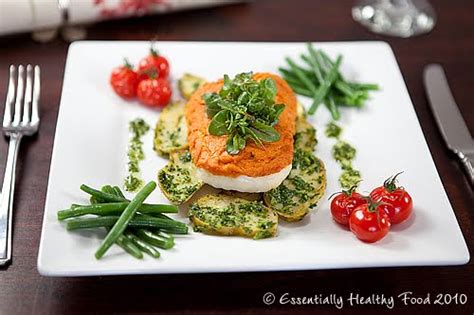
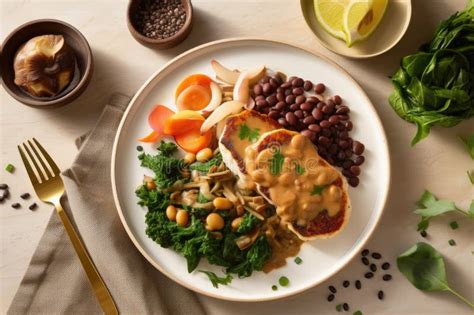
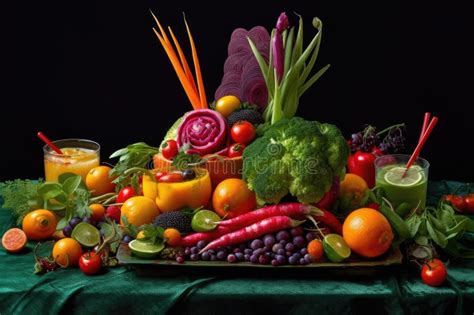
Color and Contrast: A plate should be a canvas of vibrant hues. Use fresh herbs, colorful purees, and different vegetable preparations to add visual excitement. Contrast isn’t just about color; think about light and dark, opaque and translucent.
Texture Variety: A monochromatic dish with uniform texture rarely excites. Incorporate crispy elements, smooth purees, tender proteins, and crunchy garnishes. This variety adds depth and sensory appeal, both in person and in a photo.
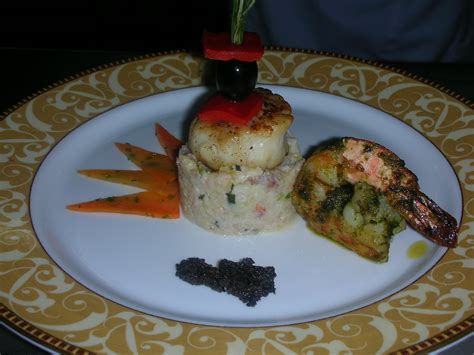
Height and Dimension: Flat food is unappealing. Stack, layer, and lean elements to give your dish vertical interest. This creates shadows and highlights that are invaluable for photography.
Tools of the Trade
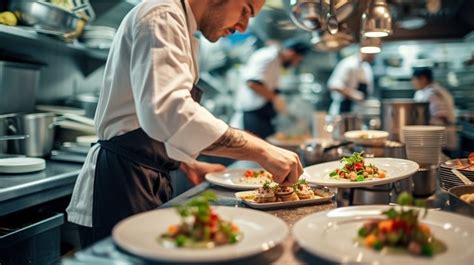
While skill is paramount, having the right tools can significantly elevate your plating game. Squeeze bottles are invaluable for precise sauce application, allowing for elegant dots or swooshes. Offset spatulas help delicate placement. Tweezers are perfect for arranging small garnishes, while brushes can add a sheen or clean up edges. Crucially, choose your plate wisely. The size, shape, and color of the plate serve as the frame for your edible art, so select one that complements, not competes with, your food.
Plating for the Lens: Camera-Specific Considerations
Beyond general plating, specific techniques enhance a dish’s photogenic qualities:
Embrace Negative Space: Don’t overcrowd the plate. Give your elements room to breathe. Negative space guides the viewer’s eye and creates a sense of elegance and sophistication.
Garnish with Purpose: Every garnish must serve a function – adding flavor, texture, or a pop of color. Avoid superfluous additions. A few strategically placed microgreens or edible flowers are often more effective than a messy pile.
Immaculate Edges and Surfaces: Cleanliness is next to godliness in food photography. Wipe away any stray drips or smudges from the plate rim before the camera comes out. A clean plate speaks volumes about attention to detail.

Storytelling on a Plate
A truly exceptional dish tells a story. What are the star ingredients? What is the journey of this dish? Arrange elements to highlight key components, creating a narrative that invites the viewer in. For example, if your dish features a perfectly seared scallop, position it prominently, perhaps with a delicate sauce swirling around it, leading the eye to its golden crust.
Practice Makes Perfect
Like any skill, plating and food styling require practice. Don’t be afraid to experiment. Take photos from different angles, under various lighting conditions, and with different compositions. Study images from your favorite chefs and food photographers. What makes their dishes ‘pop’? Emulate, then innovate. The more you practice, the more intuitive the process will become, and the more confidently you’ll transform everyday meals into camera-ready masterpieces.
Conclusion
The secret to plating restaurant-quality dishes that pop on camera isn’t a single trick, but rather a mastery of culinary fundamentals combined with an understanding of visual aesthetics and photographic principles. It’s about balance, color, texture, height, precision, and ultimately, telling a delicious story that captivates both the eye and the palate.