What’s the secret to visually stunning food plating for any recipe?

Beyond Taste: The Art of Visual Food Plating
While the taste of a dish is paramount, its visual appeal plays a crucial role in enhancing the overall dining experience. A beautifully plated meal excites the senses, stimulates appetite, and elevates even the simplest recipe into a culinary masterpiece. But what exactly is the “secret” to achieving this?
It’s not about complex techniques reserved for Michelin-starred chefs; rather, it’s about understanding and applying fundamental design principles. You can transform your everyday meals into visually stunning creations with a few thoughtful considerations.
1. Embrace Color and Contrast
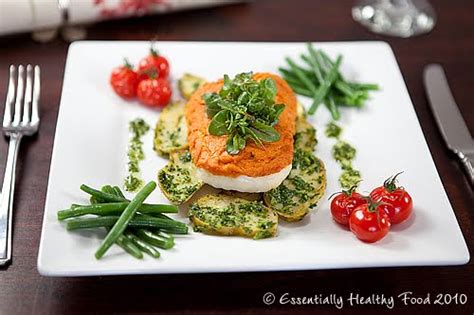
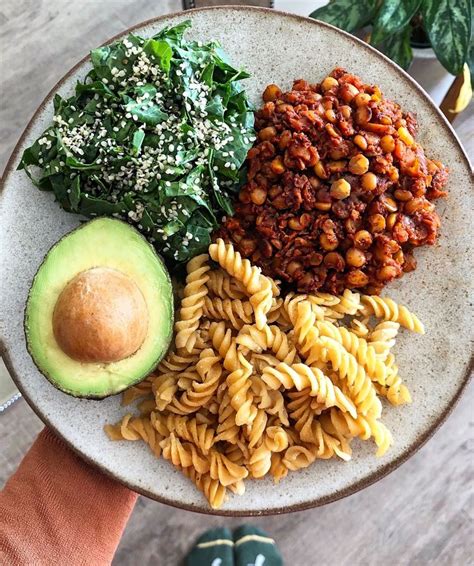
Color is perhaps the most impactful element in food plating. A plate full of monotone food can look unappetizing, no matter how delicious it tastes. Aim for a vibrant palette by incorporating ingredients of different hues. Think about the natural colors of your main ingredients and how you can complement or contrast them with side dishes, sauces, and garnishes.
- Complementary Colors: Use colors opposite each other on the color wheel (e.g., green herbs with red tomatoes).
- Contrasting Colors: Dark sauces on light backgrounds, or bright vegetables against a neutral protein.
- Freshness: Bright, vibrant colors often indicate fresh ingredients, adding to the allure.
2. Play with Texture and Height
A flat, one-dimensional plate lacks interest. Introduce varying textures to create depth and excitement. This could be crunchy croutons on a creamy soup, crispy skin on a tender piece of fish, or smooth purées alongside roasted vegetables. Creating height adds a professional touch, making the dish more dynamic and inviting.
Think upwards when arranging components. Stack ingredients (like perfectly cooked scallops or layered vegetables), lean them against each other, or use mounds of purée as a base. Avoid piling food haphazardly; aim for intentional structure.
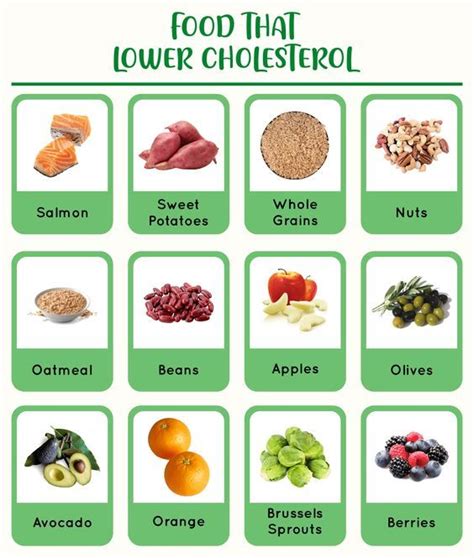
3. Master Arrangement and Balance
How you arrange components on the plate is critical. Two popular techniques provide excellent guidance:
- The Clock Method: Imagine your plate as a clock face. Proteins typically go between 3 and 9 o’clock, starches between 9 and 12, and vegetables between 12 and 3. This offers a classic, balanced layout.
- The Rule of Thirds: Similar to photography, divide your plate into an imaginary 3×3 grid. Place your main focus points (the most interesting elements) at the intersections of these lines. This creates visual interest and natural flow.
Always aim for negative space. Don’t overcrowd the plate. Allowing some blank space around your food helps draw attention to the beautifully arranged components and makes the dish look more refined.
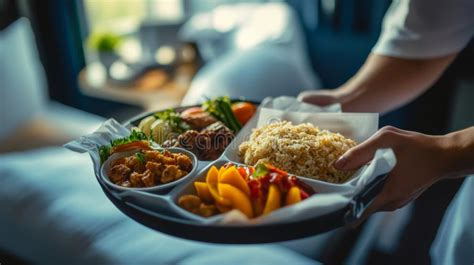
4. The Power of Garnishes and Sauces
Garnishes aren’t just for decoration; they add flavor, texture, and a final flourish. A sprig of fresh herbs, a sprinkle of toasted nuts, a drizzle of high-quality oil, or a swirl of sauce can elevate a dish dramatically. Choose garnishes that complement the main ingredients in both flavor and appearance.
Sauces are another powerful tool. Instead of just dolloping, consider artful drizzles, swooshes, or dots. A well-placed sauce can act as a binding element, unify flavors, and add an artistic touch to the presentation.
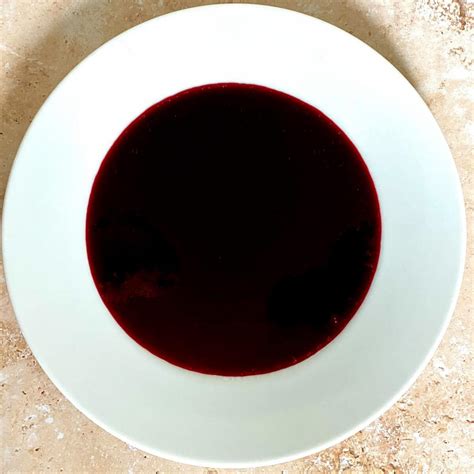
5. Choose the Right Plate and Background
The “canvas” for your culinary art is just as important as the art itself. The plate’s color, shape, and size can significantly impact how your food is perceived.
- White Plates: Often preferred by chefs, white plates make colors pop and allow the food to be the star.
- Shapes: Round plates are classic, but square or rectangular plates can add a modern edge.
- Size: Choose a plate that’s large enough to accommodate your food without looking cluttered, but not so large that the portion appears meager.
Consider the background of your serving area. A clean, uncluttered background helps focus attention on the plated dish, preventing visual distractions.
Conclusion: Practice Makes Perfect Plating
Visually stunning food plating isn’t a secret; it’s a skill developed through understanding basic design principles and consistent practice. Start small, focusing on one or two elements at a time—maybe just adding a contrasting color or creating a bit of height. As you experiment with different arrangements, textures, and garnishes, you’ll develop an intuitive sense for what looks appealing.
Remember, the goal is to make the food look as good as it tastes. So, next time you cook, take a moment to plate your dish with intention. Your eyes (and your guests!) will thank you.