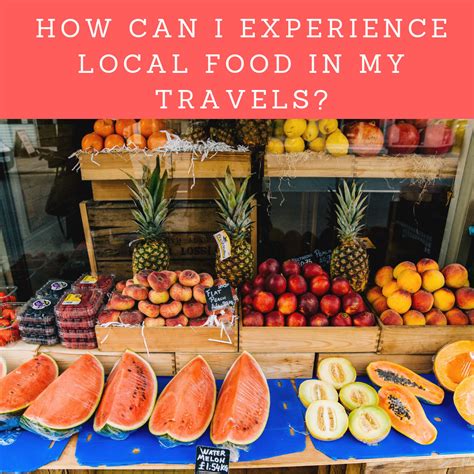
What’s your #1 tip for visually capturing authentic food adventures abroad?

Embarking on a culinary journey abroad is an experience for all senses. We taste, smell, and hear the vibrant symphony of foreign kitchens and markets. But how do we visually translate that rich authenticity, that raw, unscripted moment, into a photograph that truly tells a story?
The Golden Rule: Focus on the Human Element and the Story
When the goal is to capture authenticity, the #1 tip is to shift your focus beyond just the food on the plate. Instead, aim to document the human element – the people preparing, serving, and enjoying the food, as well as the unique environment in which these culinary moments unfold. True authenticity isn’t just about the dish itself; it’s about the hands that crafted it, the faces that savor it, the traditions it represents, and the place it calls home.
Beyond the Plate: Capturing the Preparation and Interaction
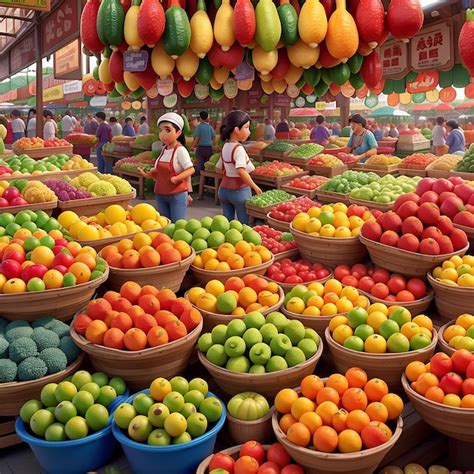
To truly convey a food adventure, look for the moments that precede the first bite. Photograph the street vendor meticulously arranging ingredients, the chef stirring a simmering pot with practiced ease, or the market seller passionately describing their produce. These are the details that provide context and convey the passion and heritage embedded in the cuisine. The steam rising from a wok, the intricate knife work, the intense concentration on a baker’s face – these are authentic visual treasures.
Furthermore, don’t shy away from capturing the interaction around food. A shared laugh over a communal dish, a family gathered around a modest table, or the warm exchange between a customer and a shop owner all add layers of meaning and connection to your visual narrative. These human interactions breathe life into your photographs, moving them beyond mere documentation to genuine storytelling.

The Environment is Your Canvas: Setting the Scene
Authenticity is deeply tied to place. Instead of isolating the food against a plain background, pull back and capture the surroundings. Is it a bustling night market lit by warm lanterns? A serene countryside restaurant with a view of rolling hills? A lively family kitchen? The environment provides crucial cues about the culture, atmosphere, and provenance of the food. It tells viewers not just *what* was eaten, but *where* and *how* it was experienced, rooting the culinary moment in its true cultural context.
Embrace Candid Moments and Natural Light
Staged shots often lack the genuine feel of an authentic experience. Cultivate patience and an observant eye. Wait for candid moments: the spontaneous smile of someone enjoying a meal, the focused gaze of a cook, or the natural flow of conversation. These are the fleeting instances that truly reflect reality. Couple this with an emphasis on natural light – whether it’s the bright sun illuminating a market stall or the ambient glow of an evening eatery – to enhance the mood and authenticity without artificial intervention.
Patience, Respect, and a Gentle Approach
Capturing these authentic human elements requires patience and, most importantly, respect. Always ask for permission before photographing people, especially in more intimate settings. Learn a few phrases in the local language to facilitate connection. Often, a warm smile and a gesture are enough. Be unobtrusive; sometimes, the best shots come from simply observing quietly from a distance, allowing life to unfold naturally before your lens.
The Result: A Visual Feast with Soul
By focusing on the human story behind the food, you transform your travel photography from mere snapshots of dishes into a compelling visual narrative. Your images will evoke emotion, tell tales of tradition, and share the very soul of a culture through its culinary heart. This approach not only results in more impactful photographs but also deepens your own connection to the places and people you encounter.

So, on your next food adventure abroad, remember to look beyond the plate. Seek out the hands, the faces, the laughter, and the bustling environment. That’s where the true story of authentic food photography lies.