What’s your best tip for finding & visually capturing authentic local eats?

Embarking on a culinary journey in a new place is about more than just satisfying hunger; it’s about connecting with culture, tradition, and the soul of a community. But how do you sniff out those truly authentic local eats, far from the tourist traps, and then capture their delicious essence in a way that truly tells a story?
Beyond the Guidebook: Unearthing Local Culinary Gems
Forget the glossy brochures and top-10 lists tailored for tourists. The real magic happens when you venture off the well-trodden path. My absolute best tip for finding authentic local food is to engage directly with locals who aren’t in the tourism industry. Ask a shopkeeper, a barista, a bus driver, or even someone you strike up a conversation with at a local park, “Where do you eat when you want good, local food?” They’ll often point you to humble, unassuming spots that serve incredible, traditional dishes.
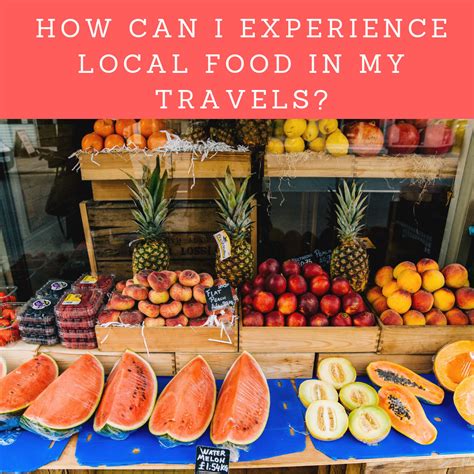
Another powerful strategy is to observe. Look for places where locals are congregating, especially at peak meal times. A long queue of residents is a strong indicator of quality and authenticity. Don’t be afraid to try street food – it’s often the purest expression of local cuisine. Markets are also treasure troves, not just for ingredients but for ready-to-eat dishes and a chance to see how food is prepared.
The Art of Visual Storytelling: Capturing Culinary Authenticity
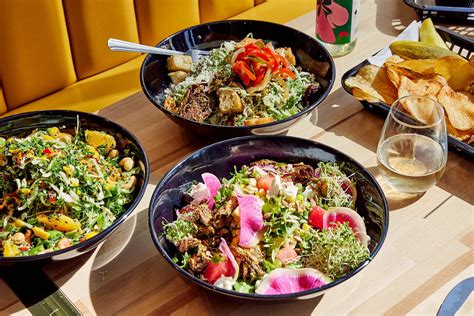
Once you’ve found your culinary treasure, the next challenge is to capture its spirit visually. It’s not just about a pretty plate; it’s about conveying the experience, the flavor, and the cultural context. My go-to tip here is to prioritize natural light and tell a story beyond just the dish. Harsh flash photography can kill the mood and distort colors. Position your dish near a window or outdoors in soft, diffused light for the most appetizing results.
Think about composition. Don’t just shoot straight down. Experiment with angles – eye-level shots can convey intimacy, while overhead shots work well for vibrant spreads. Incorporate elements that add context: the worn wooden table, a local drink, hands reaching for food, or even the bustling street scene outside. These details transform a simple food photo into a narrative.

Focus on textures, colors, and the subtle steam rising from a hot dish. These sensory details are what make viewers almost taste the food. Don’t be afraid to get close to highlight the intricate details of ingredients or preparation. Sometimes, the most authentic shot isn’t a perfectly styled plate, but a candid moment of someone enjoying their meal or the cook tending to their stove.

Embrace the Imperfection and the Journey
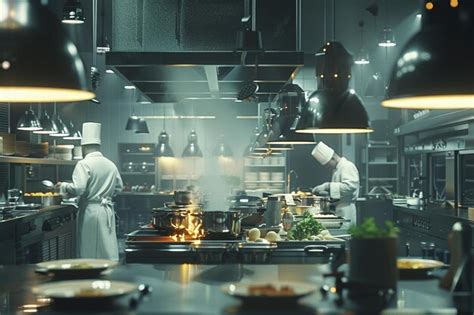
Remember that authenticity often comes with a bit of grit and rawness. Not every dish will be served in a pristine setting, and that’s perfectly fine—it adds to the charm. Capture the environment, the people, the hustle and bustle. These elements are as much a part of the authentic eating experience as the food itself. A slightly blurry background of a bustling kitchen or a candid shot of a chef at work can be far more evocative than a perfectly staged studio shot.
Ultimately, the best tip for both finding and visually capturing authentic local eats is to be curious, open-minded, and respectful. Engage with the community, let your senses guide you, and tell the story not just of the food, but of the place and its people. Your photos will then become windows into genuine cultural experiences, far more meaningful than any perfectly curated Instagram feed.