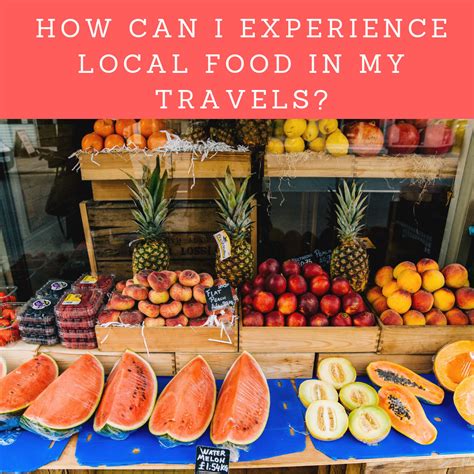
What’s your best visual strategy for finding & documenting authentic local eats?

Unearthing Culinary Gems Through the Lens
In the vibrant tapestry of global cuisines, finding truly authentic local eats is a quest for every adventurous foodie. Beyond guidebooks and tourist traps, the real magic happens in humble eateries, bustling markets, and tucked-away street stalls. But how do you visually identify these hidden gems, and more importantly, how do you visually document them in a way that truly captures their essence? This article explores effective visual strategies for both the discovery and documentation of unforgettable local food experiences.
Visual Cues for Discovery: Seeing Beyond the Surface
The first step in finding authentic local food is to train your eye. Look for visual cues that scream “local favorite” rather than “tourist trap.”
Observe the Crowd: Where Do Locals Eat?
- Foot Traffic: A consistent line or bustling activity, especially during off-peak hours for tourists (e.g., late lunch for locals, early dinner).
- Local Demographics: If the establishment is filled predominantly with locals – families, workers on their lunch breaks – it’s a strong indicator.
- No English Menus (or very few): While not always a rule, places primarily catering to locals often have menus in the local language, or hand-written boards.
Seek Out Specific Aesthetics and Settings
- Humble Exteriors: Often, the most delicious food comes from unpretentious, even slightly worn-down establishments. Don’t be swayed by shiny facades.
- Street Stalls and Markets: These are fertile grounds for authentic eats. Observe the freshness of ingredients, the cooking methods, and the interaction between vendors and customers.
- Specific Dishes: Look for stalls specializing in one or two dishes, which often indicates mastery and tradition.
Documenting the Feast: Crafting a Visual Story
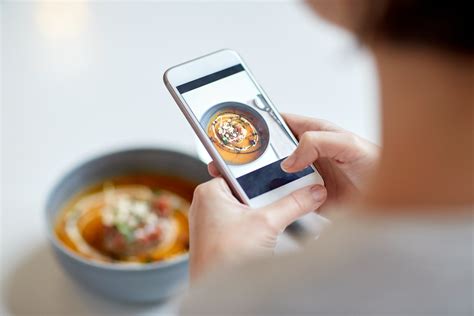
Once you’ve found your culinary treasure, the next challenge is to document it visually in a compelling and authentic way. It’s not just about snapping a picture of your plate; it’s about telling a story.
Capturing the Food Itself: Beyond the Overhead Shot
- Lighting is Key: Natural light is always best. Try to sit near a window or outdoors. Avoid harsh overhead lighting or using flash.
- Composition: Experiment with angles. Get close to highlight textures and details. Use leading lines or the rule of thirds to compose your shot.
- Contextual Elements: Include a hint of the setting – a local napkin, a unique table, the chef’s hands in the background – to add depth.
- Before and After: Sometimes, showing the untouched dish and then a partially eaten plate or the empty bowl can tell a story of enjoyment.
Storytelling Through Atmosphere and People
Authentic food experiences are about more than just what’s on the plate. They’re about the environment, the people, and the culture surrounding it. Your visual strategy should aim to capture these elements.
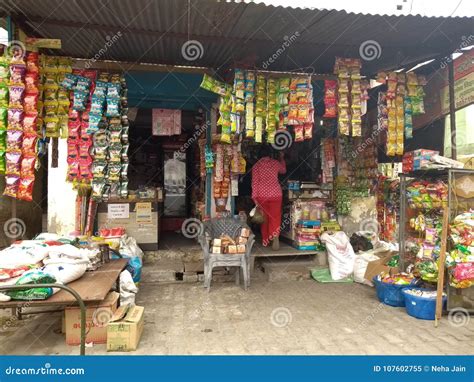
- The Chef/Vendor: Capture the people behind the food – their expressions, their craft, their passion. Always ask for permission first, a smile and a gesture often works wonders.
- The Setting: Photograph the bustling kitchen, the vibrant market stall, the unique decor of the restaurant. These details anchor the food in its cultural context.
- Local Interactions: Observe and discreetly capture the way locals interact with each other and with the food. These candid moments add immense authenticity.
Leveraging Technology for Visual Discovery and Documentation
Modern tools can significantly enhance both your search and your visual archiving.
- Social Media & Geotags: Instagram and TikTok are visual goldmines. Search specific hashtags (#localfood[city], #streetfood[country]) or explore geotagged locations to see what locals are posting.
- Visual Search Apps: Apps like Google Lens can sometimes help identify dishes or ingredients you see, aiding in your discovery.
- Photo Editing Apps: Tools like Lightroom Mobile or Snapseed allow you to enhance your images on the go, making them pop without sacrificing authenticity.
Ethical Visual Documentation: Respect and Connection
While the goal is to capture authenticity, it’s paramount to do so respectfully. Always be mindful of local customs and the privacy of individuals.
- Ask Permission: Especially when photographing people, a simple gesture or request can go a long way.
- Be Discreet: Avoid being overly intrusive with your camera. Sometimes, a subtle shot is more powerful than a staged one.
- Support the Business: Always purchase food or drinks when you are photographing a stall or restaurant.
Conclusion: Your Visual Journey Awaits
Finding and documenting authentic local eats is a deeply personal and incredibly rewarding journey. By honing your visual observation skills, understanding the nuances of food photography, and always approaching with respect and curiosity, you can unlock a world of culinary adventures. So, grab your camera (or smartphone), open your eyes, and let your visual strategy lead you to your next unforgettable meal. Share your best tips – what visual cues do you look for, and how do you best capture the spirit of local cuisine?